
Editorial quick answer
Can you run a refrigerator with a portable power station?
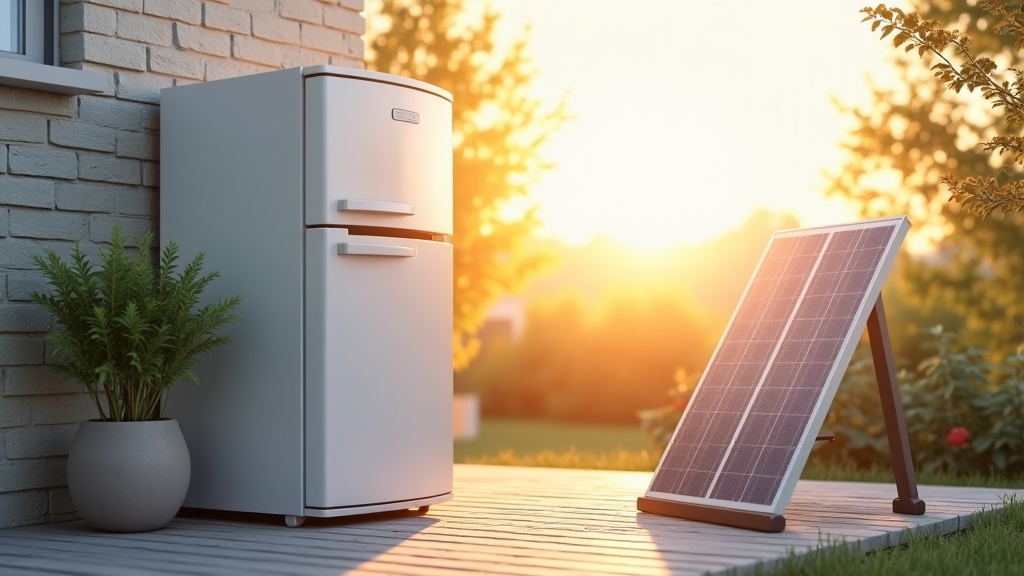
I size home battery backup around critical loads first, not marketing promises. Yes, you can run a refrigerator with a portable power station, but only if the unit is sized for both the fridge’s running load and the compressor’s startup surge. This is where homeowners get tripped up. They see a fridge that only pulls […]
Who this is for
Homeowners using this topic to compare choices, identify tradeoffs, or prepare better questions.
What this cannot promise
A guaranteed bill reduction, output, runtime, incentive, code approval, interconnection result, or project-specific electrical design.
Assumptions, date, and local checks
Costs and performance depend on location, date, model, configuration, weather, tariffs, utility rules, program funding, installation details, and household loads. Incentive, net-metering, code, battery-sizing, and electrical statements require current jurisdiction and source checks. Confirm project-specific details with the serving utility, program administrator, manufacturer, and a qualified electrician or installer.
How evidence is labeled
Mike context
Limited to his 20 years as an electrician, going solar in 2019, and having no installer ties.
Manufacturer specification
Maker-published data for an identified model or version, not an independent measurement.
Public source
Utility, government, program, code, standards, or other dated public information.
Estimate
Math based on stated inputs and assumptions, not a quote or guarantee.
Editorial analysis
SunBacked’s synthesis of tradeoffs, separated from sourced facts.
I size home battery backup around critical loads first, not marketing promises. Yes, you can run a refrigerator with a portable power station, but only if the unit is sized for both the fridge’s running load and the compressor’s startup surge. This is where homeowners get tripped up. They see a fridge that only pulls 150 to 200 watts while running, buy a small battery, and then wonder why it shuts off the second the compressor kicks on.
Short version: most modern refrigerators are absolutely within reach of a decent portable power station. The real question is not can it run the fridge. The question is how long it will run it, and whether you have enough surge headroom to do it reliably during an outage.
The Short Answer
If you want a safe rule of thumb, look for a portable power station with at least 1,000W continuous output, a surge rating comfortably above that, and around 1,000Wh to 2,000Wh of battery capacity for meaningful runtime. Smaller units can work on compact refrigerators or newer efficient models, but they leave you very little margin.
A full-size kitchen refrigerator usually runs somewhere around 100 to 250 watts once the compressor is on, but startup can jump much higher for a moment. Daily energy use matters just as much as wattage. A fridge does not run nonstop, so the battery drains in cycles rather than in one smooth line.
What Actually Matters
When I size backup power for a refrigerator, I care about three numbers first:
- Running wattage: what the fridge draws once it is operating normally.
- Startup surge: the brief spike when the compressor starts.
- Battery capacity: how many watt-hours you have available before the station is empty.
If even one of those is off, the setup gets unreliable fast. You might have enough battery capacity for 12 hours on paper, but if the inverter cannot handle the compressor surge, none of that stored energy helps you.
A Simple Way to Size It
If you want a fast homeowner-friendly sizing method, use the label on the refrigerator first and then give yourself margin:
- Find the fridge’s running wattage or amps on the data label.
- Assume startup surge could be 2 to 3 times the running load unless the manufacturer gives a better number.
- Choose a power station with enough continuous output for the running load and enough surge headroom for compressor startup.
- Pick battery capacity based on how many outage hours you actually need, not just the appliance wattage.
Example: if a refrigerator runs at 180W, I would not shop for a 200W or 300W station just because the math barely fits. I would want enough inverter headroom that the system is not operating on the edge every time the compressor starts.
How Long Will It Run?
This depends more on battery size than on the headline marketing claims. A 500Wh unit may only keep a refrigerator going for a few hours once inverter losses and compressor cycling are factored in. A 1,000Wh to 2,000Wh station is where the math starts to make practical sense for outage prep.
In real-world use, runtime changes based on fridge size, age, ambient temperature, how often the door gets opened, and how full the fridge is. A packed fridge in a cool kitchen with the door kept shut will usually outperform the same fridge in a hot garage with people opening it every 20 minutes.
A useful shortcut is:
Estimated runtime = usable battery watt-hours / average refrigerator watt draw
That is still only an estimate because inverter losses, cycling behavior, and temperature all matter, but it is a much better planning tool than relying on marketing claims alone.
As a rough guide for homeowners:
- Mini fridge: usually easy for a modest power station to support.
- Modern full-size fridge: often a good fit for a mid-size unit with solid surge capacity.
- Older fridge or garage fridge: much riskier because energy use and startup surge are often higher than expected.
What This Means for a Homeowner
If your goal is food protection during a short blackout, a portable power station is one of the smartest battery-backup use cases there is. A refrigerator is an essential load, the power draw is manageable compared with electric heating appliances, and the benefit is immediate.
If your goal is to run the entire kitchen for days, this is the wrong tool. Refrigerators are reasonable. Microwaves, coffee makers, toaster ovens, induction burners, and electric kettles are what burn through battery capacity in a hurry.
That is why I tell homeowners to think in terms of critical loads, not convenience loads. Protect the fridge, your internet, lights, phones, and maybe a CPAP. Do not expect one portable battery to act like whole-home backup.
When Battery Backup Makes Sense
- You want quiet indoor-safe backup with no fuel storage.
- You live in an apartment, HOA, or neighborhood where generator use is impractical.
- Your outages are usually measured in hours, not multiple days.
- You are willing to manage the load carefully and keep the fridge door closed.
That last point matters more than people think. Every unnecessary door opening makes the compressor cycle more often, which shortens runtime. Good outage habits can extend battery life almost as much as buying the next size up.
When It Does Not
A portable power station is a poor fit if you are expecting multi-day refrigerator backup without any way to recharge, especially if you also want to run a freezer, sump pump, or window AC. The battery gets depleted much faster once several motor loads are competing for the same stored energy.
It is also a bad buy when the station is barely big enough on paper. Undersizing usually means you spend money twice: first on the unit that almost works, then again on the larger model you should have bought in the first place.
What I Would Prioritize First
If you are shopping specifically to keep a refrigerator alive during outages, I would prioritize inverter output and surge capability first, then battery capacity, then recharge speed. If the compressor cannot start, nothing else matters. After that, the next decision is whether you need 6 hours of protection, 24 hours, or a system you can keep topping up with solar or vehicle charging.
For most households, the best portable power station for fridge backup is not the smallest or cheapest one. It is the one with enough output headroom that you are not operating right at the limit every time the compressor cycles on.
Best Practices During an Outage
- Start with the refrigerator already cold whenever possible.
- Keep the door closed and group what you need into fewer openings.
- Unplug nonessential loads from the power station so the fridge gets priority.
- If the outage is long, recharge the station before it gets critically low instead of waiting for a full drain.
Those small habits do not sound dramatic, but they can materially improve food safety and battery runtime during a real outage.
Bottom Line for Homeowners
So, can you run a refrigerator with a portable power station? Yes, and for many homeowners it is one of the best uses for a battery backup system. Just size the unit for the startup surge as well as the battery runtime, and keep your expectations focused on essential-load backup rather than whole-home power.
If I were buying with refrigerator backup as the priority, I would rather own a slightly oversized power station that works every time than a cheaper one that only works in perfect conditions.
What Usually Saves the Most Money
The money-saving move is usually not finding the most exciting hardware. It is sizing the system around real usage, choosing equipment that fits the job, and avoiding upgrades that solve a fantasy outage instead of the one you are actually preparing for.
I also think homeowners make better decisions when they separate resilience goals from bragging-rights goals. Once you know whether you are solving for essentials, comfort, or near-whole-home backup, the comparison gets much clearer and wasted spending usually drops fast.
That is the frame I trust most: define the loads, define the outage scenario, and then buy only the gear that materially improves the plan.
What I Would Compare Before Buying
If I were shopping this category for my own garage or outage kit, I would compare battery chemistry, warranty length, inverter size, and recharge speed before I paid much attention to app features or flashy marketing claims. Those practical specs decide whether the unit still feels useful after the novelty wears off.
I would also look closely at how the unit is actually going to live in the house. A battery that is too heavy to move, too small for the loads you care about, or too slow to recharge after a real outage can still be the wrong buy even if the chemistry itself is solid.
That is why I prefer turning chemistry into a decision filter instead of the whole decision. It matters a lot, but only inside a backup plan that already makes sense for your loads, your budget, and your outage pattern.
Before you buy, I would also compare LiFePO4 portable power stations against lighter legacy lithium-ion options so you are making an honest tradeoff between weight, cycle life, and long-term value instead of just buying the first battery spec that sounds modern.
Recommended Tools and Products
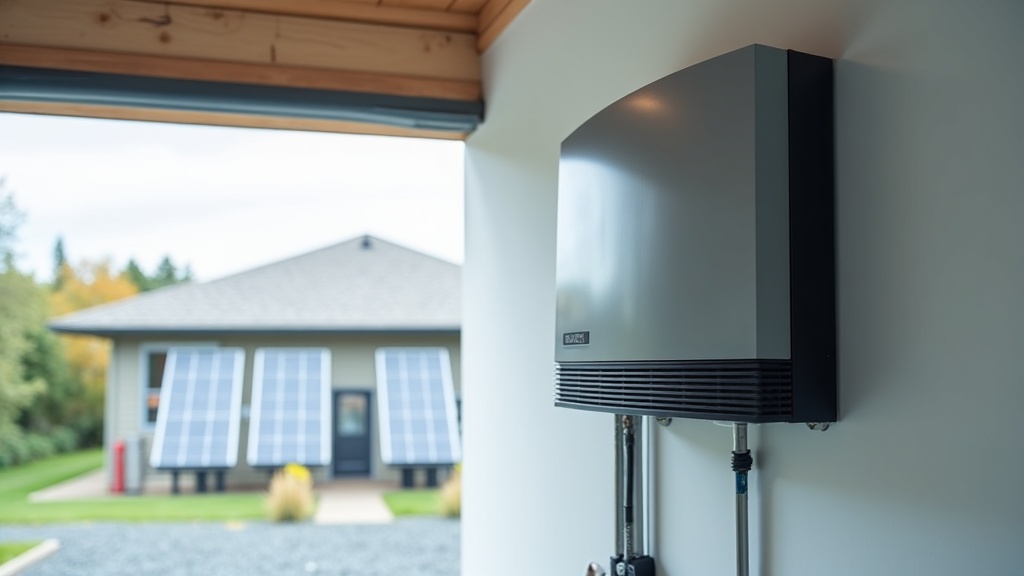
If you are comparing real options instead of just reading spec sheets, I would start with LiFePO4 portable power stations, smart home energy monitors, and folding solar panels for power stations because those three categories usually tell you faster whether the backup plan is actually practical.
- LiFePO4 portable power stations are the cleanest starting point for most homeowners who want safer indoor backup and better long-term cycle life.
- Smart home energy monitors help you size the battery around real loads instead of guessing from labels or panic-shopping after an outage.
- Folding solar panels matter when you want a realistic way to extend runtime during multi-day outages without depending only on the wall.
Sources, uncertainty, safety, and affiliate disclosure
Check named sources for their publication date, geography, exact product, utility, and jurisdiction. Product specifications and programs change. Estimates are not guarantees. Electrical work, service upgrades, storage systems, transfer equipment, interconnection, and code compliance should be reviewed by the serving utility and a qualified electrician or installer as appropriate.
Some links may be affiliate links. SunBacked may earn a commission at no added cost to you; that does not determine editorial conclusions.