

Editorial quick answer
What is the cheapest way to charge an electric car?
I tell homeowners this all the time: the cheapest way to charge an electric car is usually at home overnight on the lowest utility rate you can get, and if you already have solar, the next-best play is charging in the middle of a sunny day instead of chasing expensive gear you may not need. […]
Who this is for
Homeowners using this topic to compare choices, identify tradeoffs, or prepare better questions.
What this cannot promise
A guaranteed bill reduction, output, runtime, incentive, code approval, interconnection result, or project-specific electrical design.
Assumptions, date, and local checks
Costs and performance depend on location, date, model, configuration, weather, tariffs, utility rules, program funding, installation details, and household loads. Incentive, net-metering, code, battery-sizing, and electrical statements require current jurisdiction and source checks. Confirm project-specific details with the serving utility, program administrator, manufacturer, and a qualified electrician or installer.
How evidence is labeled
Mike context
Limited to his 20 years as an electrician, going solar in 2019, and having no installer ties.
Manufacturer specification
Maker-published data for an identified model or version, not an independent measurement.
Public source
Utility, government, program, code, standards, or other dated public information.
Estimate
Math based on stated inputs and assumptions, not a quote or guarantee.
Editorial analysis
SunBacked’s synthesis of tradeoffs, separated from sourced facts.
I tell homeowners this all the time: the cheapest way to charge an electric car is usually at home overnight on the lowest utility rate you can get, and if you already have solar, the next-best play is charging in the middle of a sunny day instead of chasing expensive gear you may not need.
If you are trying to decide what makes sense for your house, your budget, or your backup goals, focus on your electric rate first, your charging habits second, and batteries last. Most people save more by using a simple Level 2 charger on a time-of-use plan than by buying extra hardware just because it sounds smart or “solar-ready.”
The Short Answer
For most drivers, the lowest-cost charging setup is home charging with a basic Level 2 charger scheduled for off-peak hours. If your utility has cheaper overnight rates, that is usually the clear winner because the car charges while you sleep and you avoid the markup built into public fast chargers.
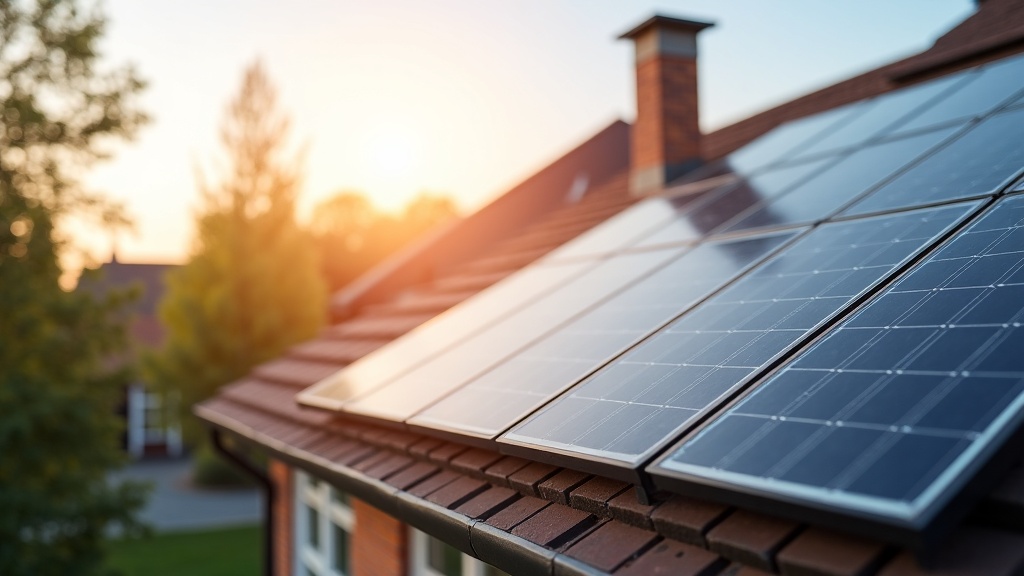
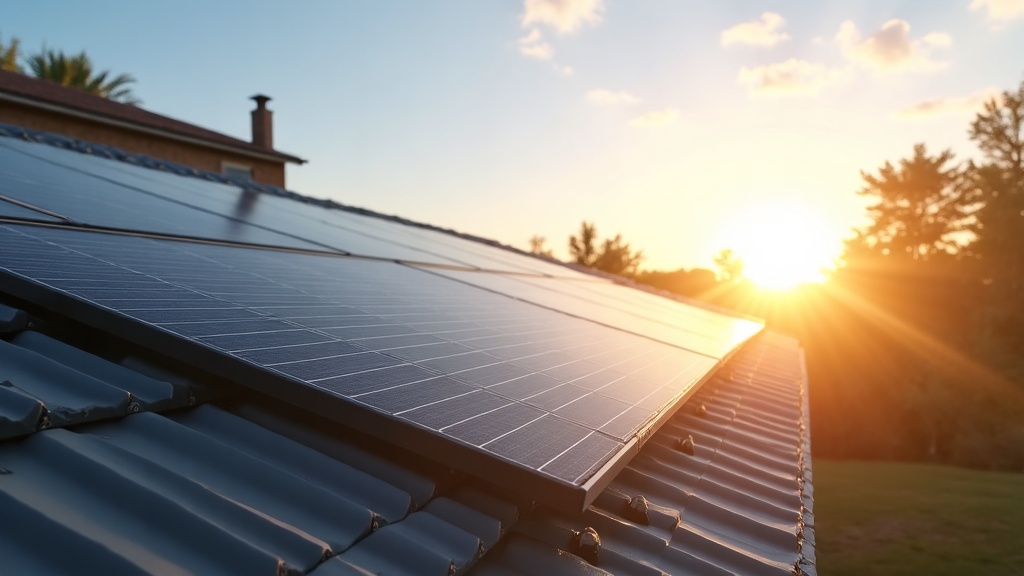
If you have rooftop solar, the cheapest power source in pure energy terms is often your own daytime solar production, but only if your car is actually home during those hours or your utility plan makes self-consumption more valuable than export credits. I have seen plenty of homeowners assume “solar equals cheapest” without checking whether they leave for work at 7 a.m. and get back after sunset. Your real schedule matters more than the marketing pitch.
What This Means for a Homeowner
The decision gets easier if you stop asking for one universal answer and instead ask which option is cheapest for your house. The right setup depends on four things: your electric rate, whether you can charge overnight, whether you already have solar, and whether you are also trying to build some outage backup into the system.
- If you have a garage or driveway outlet and access to a time-of-use plan, home overnight charging is usually the cheapest and simplest option.
- If you already have solar and the car sits at home during the day, shifting charging into solar hours can beat overnight rates or at least reduce what you buy from the grid.
- If you rely on public DC fast charging several times a week, you are usually paying for convenience, not the cheapest energy.
- If you are thinking about a battery mainly to charge the car, run the numbers carefully because home batteries are usually better justified by backup needs and peak-rate management than by EV charging alone.
Here is the practical framework I use. First, compare your off-peak price per kWh with your daytime price and your public charging costs. Second, figure out whether your EV can easily refill overnight with a modest Level 2 charger. Third, decide whether you want the charging setup to also support resilience during outages. Those are three different goals, and homeowners get in trouble when they try to solve all three with one expensive purchase.
A simple cost comparison
| Charging option | Typical cost logic | Best fit |
|---|---|---|
| Home Level 1 | Cheap to start, slow to use | Low-mileage drivers with time to spare |
| Home Level 2 off-peak | Usually lowest total cost per mile | Most homeowners with a dedicated parking spot |
| Home Level 2 with daytime solar | Excellent if solar timing matches your schedule | Remote workers, retirees, second-car households |
| Public Level 2 | Can be reasonable, but often slower and less convenient | Apartments, workplace top-ups |
| Public DC fast charging | Usually highest cost, fastest turnaround | Road trips and occasional convenience charging |
If you need a solid entry-level home charger, this is the kind of gear I point people toward: Level 2 EV charger 48A. If your panel is tight or you want a more flexible install, it also helps to compare adjustable amp EV chargers so you can match the charger to the circuit you actually have.
When Battery Backup Makes Sense
Battery backup makes sense when your EV charging plan is tied to a bigger home energy goal. If you live where outages are common, have medical or refrigeration needs, or want to hold onto solar production after sunset, then a battery can earn its keep for reasons that go beyond the car. In that case, EV charging becomes one piece of a broader resilience setup.
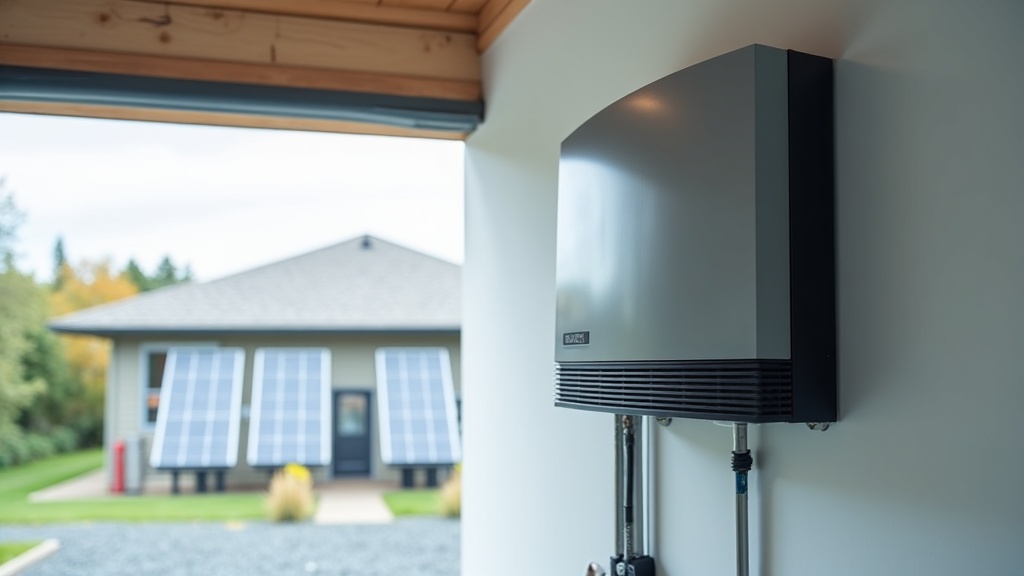
What I would not do is buy a home battery just because someone told you it makes EV charging cheap. That is usually backwards. Batteries are still expensive storage devices, and an EV is a large load. In most houses, a battery is better used to keep essentials running, shave expensive evening usage, or carry solar into the night. If you want to learn what equipment homeowners usually compare for backup planning, start with home power station backup batteries and home transfer switch kits, but treat those as backup tools first, not automatic EV money-savers.
Situations where a battery can still help
- Your utility has very high peak evening rates and you can use the battery to avoid buying expensive power when solar production drops.
- You already want backup power for outages, and the battery is part of a whole-home resilience plan.
- Your solar export compensation is poor, so storing midday solar can be more valuable than sending it to the grid.
- You have a flexible EV schedule and can charge partially from solar, partially from stored energy, without oversizing the system.
I pay attention to one thing first here: whether the battery is being asked to solve a billing problem, a blackout problem, or both. If the answer is neither, it is usually not the first dollar I would spend.
When It Does Not
Battery backup usually does not make financial sense if your only goal is cheap EV charging. If you already have affordable overnight utility power, adding a battery in the middle just means you are buying a costly box to store electricity you could have bought cheaply in the first place. That math is hard to justify for the average homeowner.
It also does not make much sense if your EV is gone all day, your solar system is modest, or your panel and service need upgrades before you can even install the charging equipment you want. I have seen homeowners get excited about batteries and smart controls while ignoring the plain issue that their electrical service is already near capacity. In that situation, I would rather see the money go toward load management, a proper circuit, or a right-sized charger than toward shiny hardware that does not change the fundamentals.
Common cases where simpler wins
- You drive a normal commute and can charge eight to ten hours overnight.
- Your utility offers a decent off-peak plan.
- You can install a basic Level 2 charger without a major panel replacement.
- You do not need the EV charging system to cover blackout backup.
That combination describes a lot of houses. In those cases, the cheapest answer is usually boring: charge at home at night, keep public fast charging for trips, and skip the expensive add-ons until you have a real reason for them.
What I Would Prioritize First
If this were my house, I would go in this order: verify the utility rate plan, confirm the panel can handle the charger, install a practical Level 2 setup, and only then think about solar optimization or battery backup. Homeowners tend to overlook how much savings comes from rate timing alone. A mediocre charger on a good overnight rate often beats a fancy setup used at the wrong hours.
I would also match the charger to the driving need, not the biggest number on the box. Plenty of people do fine with a lower-amp charger that avoids a service upgrade. That is one of the easiest ways to keep installation costs under control. For a clean install, homeowners often end up needing support gear like an EV charger pedestal mount for driveway placement or a NEMA 14-50 EV extension cord only when the charger and vehicle layout truly require it. I would rather see a homeowner buy one useful accessory than overspend on a whole system they do not need.
My decision checklist
- Check whether your utility offers off-peak or EV-specific rates.
- Estimate how many miles you need to refill on a normal night.
- Confirm whether your panel has room for the charger or needs load management.
- Ask whether your EV is home during solar production hours often enough to matter.
- Decide whether outage backup is a real requirement or just a nice idea.
- Price the simple version first before looking at batteries, smart panels, or extra controls.
If you are also comparing charging options for a solar household, the parent question is really the same one: can you charge an EV with solar panels in a way that saves money in practice, not just on paper? Yes, absolutely, but the savings show up best when the timing, rate plan, and charger size match how you actually live.
Bottom Line for Homeowners
The cheapest way to charge an electric car is usually to charge at home during off-peak hours with a properly sized Level 2 charger. If you already have solar and your car sits at home in the daytime, solar charging can be even better or at least close enough to make sense, especially where export credits are weak. Public fast charging is for speed and convenience, not for the lowest operating cost.
My recommendation is simple: start with the cheapest reliable setup that fits your panel, your parking, and your driving pattern. Add solar charging strategy if your schedule supports it. Add battery backup only when you also want resilience or serious rate-shifting benefits. That order keeps the spending honest and gives most homeowners the best shot at lower charging costs without turning a basic EV setup into an expensive project.
Sources, uncertainty, safety, and affiliate disclosure
Check named sources for their publication date, geography, exact product, utility, and jurisdiction. Product specifications and programs change. Estimates are not guarantees. Electrical work, service upgrades, storage systems, transfer equipment, interconnection, and code compliance should be reviewed by the serving utility and a qualified electrician or installer as appropriate.
Some links may be affiliate links. SunBacked may earn a commission at no added cost to you; that does not determine editorial conclusions.