

Editorial quick answer
Home Battery Backup Without Solar: Is It Worth It?
Most of the battery backup conversation assumes you have solar, or are planning to get it. But I get questions all the time from people who want power backup during outages — without the cost and...
Who this is for
Homeowners using this topic to compare choices, identify tradeoffs, or prepare better questions.
What this cannot promise
A guaranteed bill reduction, output, runtime, incentive, code approval, interconnection result, or project-specific electrical design.
Assumptions, date, and local checks
Costs and performance depend on location, date, model, configuration, weather, tariffs, utility rules, program funding, installation details, and household loads. Incentive, net-metering, code, battery-sizing, and electrical statements require current jurisdiction and source checks. Confirm project-specific details with the serving utility, program administrator, manufacturer, and a qualified electrician or installer.
How evidence is labeled
Mike context
Limited to his 20 years as an electrician, going solar in 2019, and having no installer ties.
Manufacturer specification
Maker-published data for an identified model or version, not an independent measurement.
Public source
Utility, government, program, code, standards, or other dated public information.
Estimate
Math based on stated inputs and assumptions, not a quote or guarantee.
Editorial analysis
SunBacked’s synthesis of tradeoffs, separated from sourced facts.
Affiliate Disclosure: This post contains affiliate links. As an Amazon Associate I earn from qualifying purchases at no extra cost to you.
Backup Power Guide
Home battery backup without solar: is it worth it?
Yes — a home battery backup can absolutely make sense without solar, but only for the right kind of outage problem. If your goal is quiet, instant backup for essentials during short blackouts, a battery system can be a great fit. If your goal is to run a whole house for days at a time, batteries without solar get expensive fast and a generator usually wins on runtime.
Quick Answer
| Worth it for | short outages, essential loads, quiet backup, people who do not want fuel storage or generator noise |
| Usually not worth it for | multi-day whole-home backup, heavy HVAC loads, cheapest possible backup per kWh |
| Best alternative | a generator if you need long runtime or lower upfront cost |
| Best fit | homes that only need to keep essentials alive during outages |
Which non-solar battery path fits you best?
| If you want… | Best fit | Why |
|---|---|---|
| Quiet backup for a few essentials | Portable or mid-size battery | Best match for short outages and low-drama setup. |
| Long runtime at the lowest cost | Generator | Batteries get expensive fast when runtime is the real goal. |
| Clean switchover and future solar expansion | Installed battery system | More expensive, but the smoothest long-term platform. |
If you are still comparing resilience paths, this page pairs best with whole-home generators, generator vs battery backup, and portable power station vs generator.
Most battery-backup marketing assumes solar is part of the plan. In real life, a lot of people just want outage protection. They want the fridge on, the internet up, the sump pump alive, the phones charged, maybe a CPAP running — and they want all that without gas cans, exhaust, or generator noise.
That is where battery backup without solar starts to make sense. The problem is that people often jump from “I want reliable backup power” straight to “I need a whole-home battery system,” and that is where the math can go sideways.
When battery backup without solar actually makes sense
- you get short but annoying outages
- you want backup for essential circuits, not unlimited whole-home runtime
- you care a lot about silent operation and automatic switchover
- you do not want fuel storage, generator maintenance, or engine noise
- you may add solar later, but outage protection is the immediate goal
If that sounds like your situation, a battery system can be a very clean solution. But if you are trying to run central AC, electric heat, an electric water heater, and a full kitchen for several days without recharging, battery-only backup gets expensive in a hurry.
Battery backup without solar vs generator: the real tradeoff
| Category | Battery backup without solar | Generator |
|---|---|---|
| Noise | Silent | Loud to very loud |
| Switchover | Instant/automatic on many systems | Can be automatic, but not always seamless |
| Runtime | Limited by stored energy | Long as long as fuel is available |
| Maintenance | Low | Higher |
| Best for | Essential loads and clean backup experience | Long outages and large household loads |
If you are specifically comparing those two approaches, my guide on portable power stations vs generators is worth reading too.
How much battery capacity do you actually need?
This is where a lot of people get unrealistic. A whole home does not need the same thing as a few essential circuits.
Small portable backup
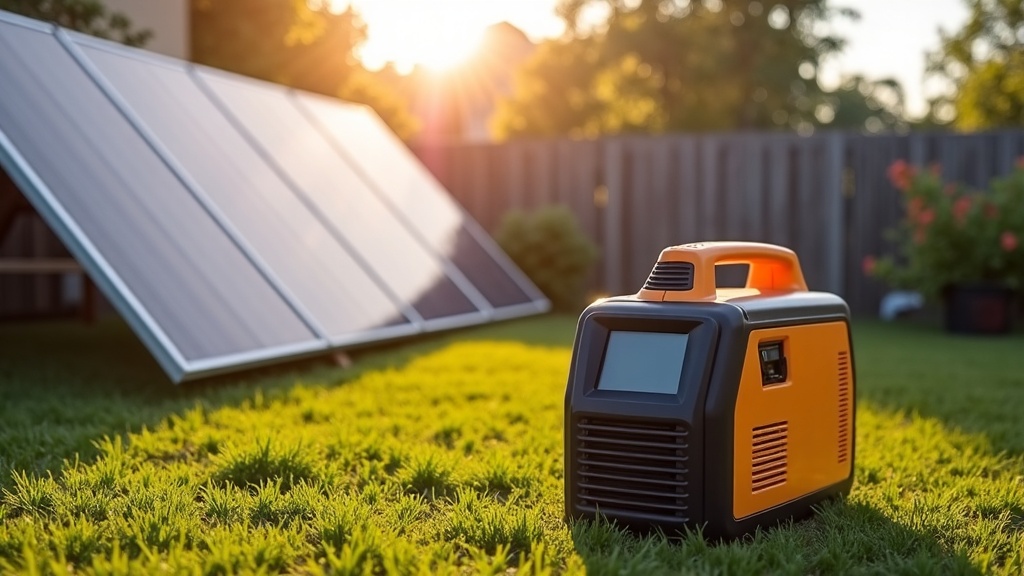
Best for phones, routers, lights, CPAPs, laptops, and maybe a small appliance.
Mid-size battery backup
Better for refrigerators, office gear, and a tighter essential-load setup for short outages.
Whole-home battery system
Can cover essential circuits well, but “whole-home” depends heavily on what loads you are actually trying to carry.
As a rough rule, a battery-only setup works best when you define essential power honestly. Fridge, freezer, lights, internet, device charging, sump pump, maybe a few outlets — that is realistic. Running everything like normal is where costs start climbing fast.
Portable vs installed battery backup
Portable power stations
Portable stations make sense if you want flexibility and no installation. They are great for apartments, renters, occasional outage coverage, and people who only need a smaller set of loads. Start with options like portable power stations if you are trying to protect a few devices, lights, or a compact fridge.
Installed home battery systems
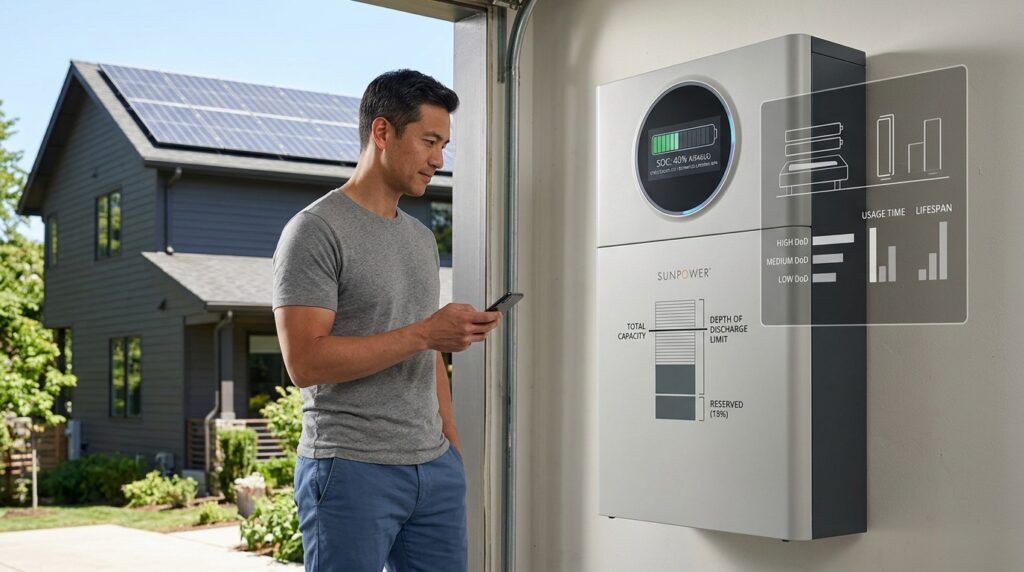
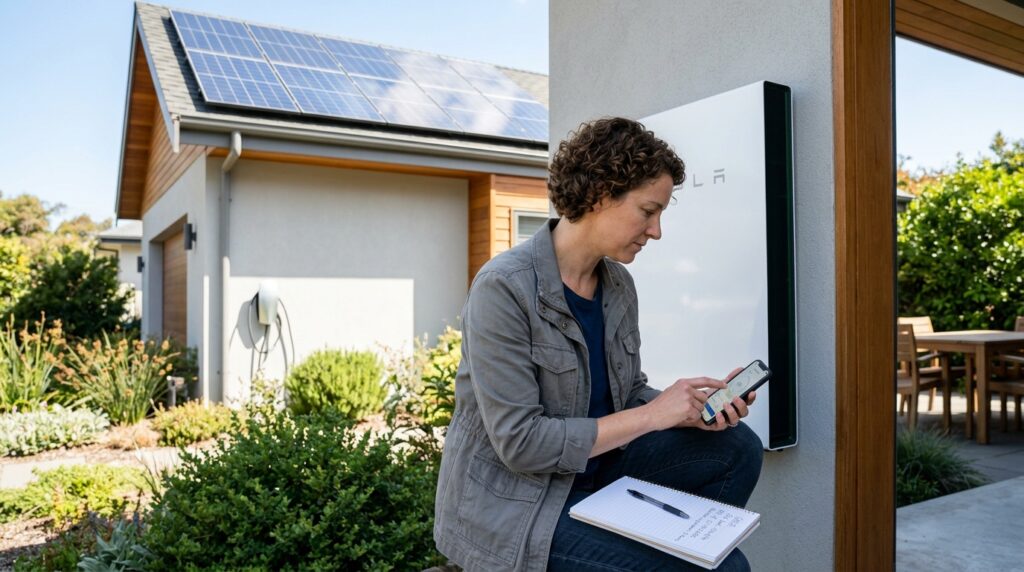
Installed batteries make sense when you want a cleaner whole-home experience: automatic switchover, dedicated circuits, and less chaos during an outage. If you are researching that tier, look at home battery backup systems and compare actual installed quotes, not just hardware prices.
What most people underestimate
- HVAC load: air conditioning and electric heat chew through stored energy fast.
- Cooking loads: electric ranges and ovens are rough on battery runtime.
- Outage length: a battery-only setup is much easier to justify for short outages than for multi-day failures.
- Installed cost: the hardware is only part of the bill.
My rule: if you are trying to solve a short-outage reliability problem, batteries look great. If you are trying to solve a long-outage survival problem, generators usually make more financial sense.
Is it worth it financially?
Usually, a battery backup without solar is not about pure payback. It is about resilience, convenience, and quality of outage experience. You are paying for silent automatic backup and lower hassle, not necessarily the cheapest kilowatt-hour of emergency power.
That does not make it a bad buy. It just means the decision is easier to justify if outages create real pain for you: lost work, food spoilage, basement water risk, medical-device needs, or constant disruption.
Common battery-backup-without-solar mistakes
- Buying for fantasy runtime: many people want “whole-home backup” when they really need fridge, internet, sump pump, and a few outlets.
- Ignoring recharge reality: without solar, every outage ends with a wall recharge problem or generator assist.
- Skipping the generator comparison: if runtime matters more than silence, the cheaper answer is often still combustion.
- Overpaying for expansion you may never use: future solar compatibility is nice, but only if you are truly heading there.
Who should seriously consider it?
- people with frequent short outages
- households with medical equipment or critical electronics
- remote workers who lose income when the power drops
- homeowners who hate the maintenance/noise/fuel side of generators
Who should probably skip it?
- people expecting full-home, multi-day backup on a tight budget
- homes with heavy electric loads and no plan to limit them
- buyers who only want the cheapest outage protection possible
If you are trying to compare battery backup to other backup paths more broadly, I would also look at battery backup vs generator and portable power stations vs generators.
Related reads
Bottom line
Yes, a home battery backup without solar can be worth it — especially if you want clean, quiet, instant backup for essential loads during short outages. But if you want long runtime, lower upfront cost, or true whole-home endurance, a generator still has the edge. The right answer depends less on whether you have solar and more on what kind of outage problem you are actually trying to solve.
Sources, uncertainty, safety, and affiliate disclosure
Check named sources for their publication date, geography, exact product, utility, and jurisdiction. Product specifications and programs change. Estimates are not guarantees. Electrical work, service upgrades, storage systems, transfer equipment, interconnection, and code compliance should be reviewed by the serving utility and a qualified electrician or installer as appropriate.
Some links may be affiliate links. SunBacked may earn a commission at no added cost to you; that does not determine editorial conclusions.