
Editorial quick answer
DIY Battery Backup: Powerwall Alternatives in 2026
For years, if you wanted serious home battery backup power , your options were basically: pay a lot for a Tesla Powerwall or pay a lot for a different branded whole-home system. The DIY market was...
Who this is for
Homeowners using this topic to compare choices, identify tradeoffs, or prepare better questions.
What this cannot promise
A guaranteed bill reduction, output, runtime, incentive, code approval, interconnection result, or project-specific electrical design.
Assumptions, date, and local checks
Costs and performance depend on location, date, model, configuration, weather, tariffs, utility rules, program funding, installation details, and household loads. Incentive, net-metering, code, battery-sizing, and electrical statements require current jurisdiction and source checks. Confirm project-specific details with the serving utility, program administrator, manufacturer, and a qualified electrician or installer.
How evidence is labeled
Mike context
Limited to his 20 years as an electrician, going solar in 2019, and having no installer ties.
Manufacturer specification
Maker-published data for an identified model or version, not an independent measurement.
Public source
Utility, government, program, code, standards, or other dated public information.
Estimate
Math based on stated inputs and assumptions, not a quote or guarantee.
Editorial analysis
SunBacked’s synthesis of tradeoffs, separated from sourced facts.
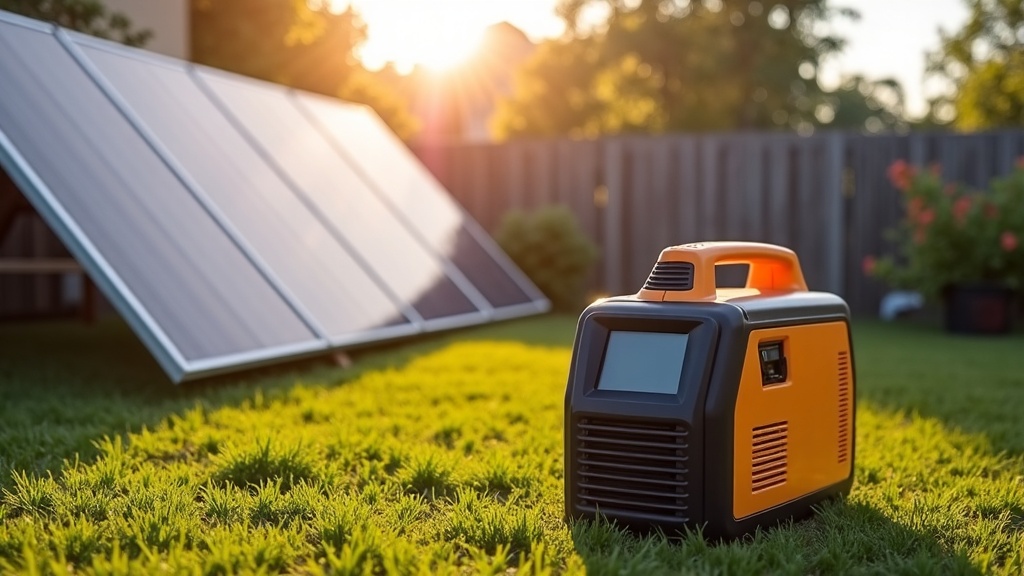
For years, if you wanted serious home battery backup power, your options were basically: pay a lot for a Tesla Powerwall or pay a lot for a different branded whole-home system. The DIY market was mostly camping-grade units that couldn’t run a refrigerator for more than a few hours. That’s changing fast — and 2026 may be the year DIY home battery backup goes genuinely mainstream.
There’s a new generation of modular, higher-capacity systems designed specifically for home use that you can install yourself (or with minimal professional help). They’re cheaper per kilowatt-hour than the installed whole-home systems, they’re more configurable, and in some cases they’re outperforming proprietary systems in real-world testing.
Why DIY Home Battery Is Having a Moment
A few forces are converging here:
- LFP (lithium iron phosphate) battery prices have dropped sharply. LFP is safer and longer-lasting than the older lithium cobalt chemistry, and the price per kWh has dropped to where large-format cells are genuinely affordable for DIY buyers
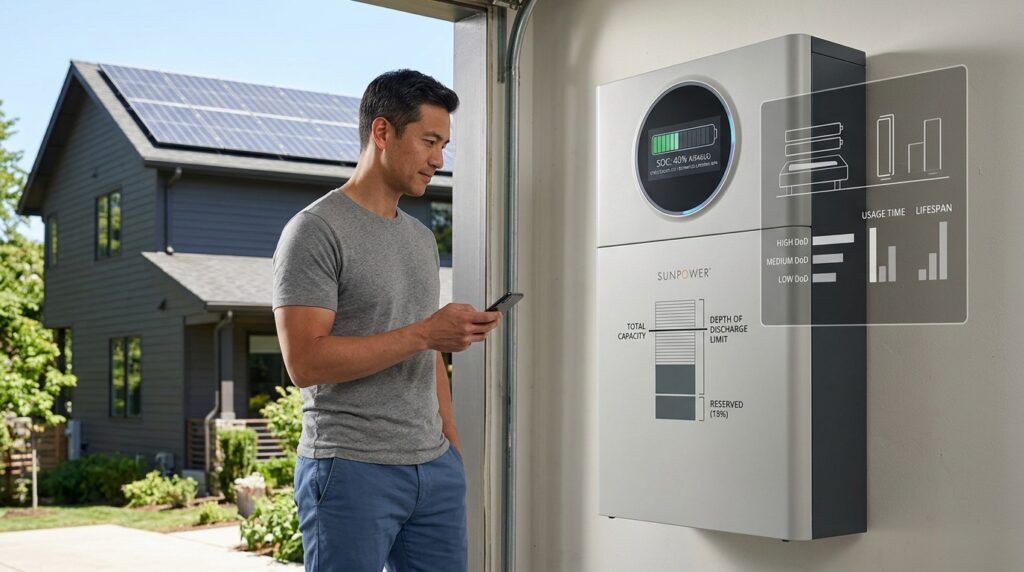
- All-in-one battery systems have improved dramatically — units that include a built-in inverter, charge controller, and BMS (battery management system) in a single enclosure that’s closer to an appliance than a project
- Manufacturer support has expanded — companies like EcoFlow, Bluetti, Anker, and newer entrants are releasing systems specifically marketed for whole-home or whole-circuit backup, not just portable power
What’s Actually New in 2026
The category that’s generating the most attention right now is what I’d call “expandable home battery systems” — modular units where you start with a base unit and add battery expansion packs as budget allows. The EcoFlow DELTA Pro Ultra is the flagship example: it starts at roughly 6kWh but can expand to 90kWh with additional packs, has a built-in 7200W inverter, and can be connected to your home’s transfer switch for automatic backup during outages.
The Bluetti EP900 is another system in this category — a 9kW whole-home solution with expandable battery packs that’s designed to be installed similarly to a Powerwall but at a lower hardware cost. Unlike the Powerwall, you can buy the hardware yourself and have an electrician do just the transfer switch work, which significantly reduces the overall install cost.
Even Anker has entered the home energy space with the Solix Home Power system — the company that built its brand on consumer electronics is now targeting the home energy market with a solution that prioritizes app-driven control and a cleaner user experience than most competitors.
How DIY Systems Compare to the Powerwall 3
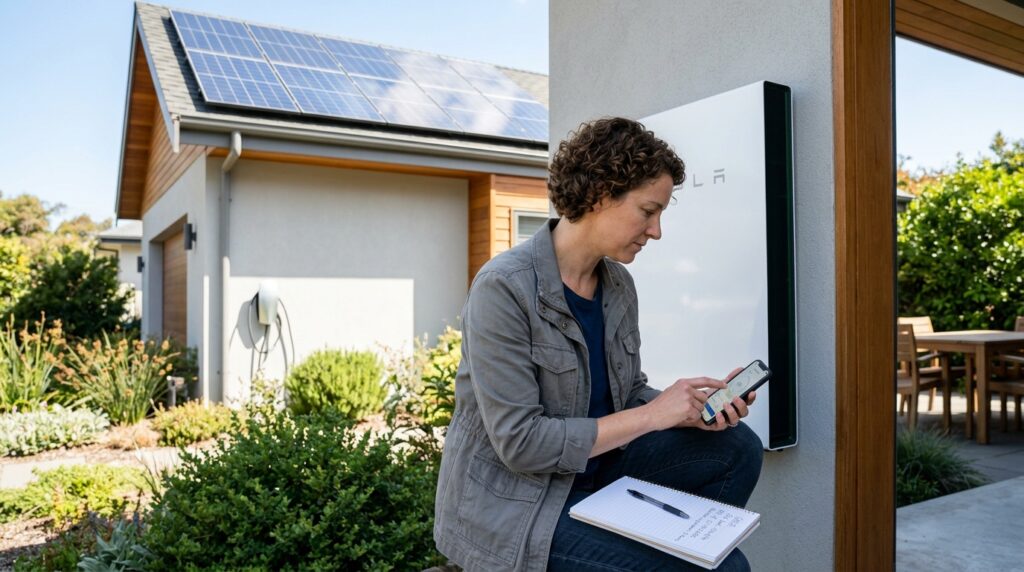
The Tesla Powerwall 3 — which I reviewed in depth earlier this year — is an excellent product. It’s tightly integrated with solar, beautifully designed, comes with Tesla’s app ecosystem, and has a clear installation process. But it has real limitations for DIY buyers:
- You can only buy it through Tesla-certified installers — no hardware-only purchase
- The installer markup is significant; you’re paying for the full professional install bundle
- The 13.5kWh capacity is fixed per unit; expanding requires adding another full Powerwall
- It’s designed around Tesla’s ecosystem and works best with a Tesla solar system or compatible inverters
The new DIY competitors win on flexibility, cost per kWh of usable capacity (especially when expanded), and the ability to separate hardware cost from installation cost. Where they lose: software polish, grid-integration features like virtual power plant participation, and — often — UL certifications required for homeowner’s insurance in some areas.
What to Look For in a DIY Home Battery System
If you’re seriously evaluating this category, here’s what matters:
- Continuous output wattage — this determines what you can actually run. A 2000W continuous system won’t run a central air conditioner. A 7000W+ system can handle most of a home’s circuits
- LFP vs other chemistry — insist on LFP for anything in an enclosed indoor space. It’s far safer (no thermal runaway risk) and lasts significantly longer (3000–6000+ cycles vs 300–1000 for older chemistries)
- Transfer switch compatibility — some systems require a specific manual or automatic transfer switch; make sure what you’re buying works with standard residential electrical panels
- UL/ETL certification — check your homeowner’s insurance policy and local permit requirements before purchasing
For smaller whole-home critical circuit backup (refrigerator, some lights, router, phone charging, a medical device), something like the EcoFlow DELTA Pro Ultra is now a serious option that a motivated homeowner can have running in a weekend. For true whole-home backup with HVAC, you’re looking at the bigger systems — but the price gap vs. the Powerwall is meaningful enough to justify the comparison.
The Bottom Line
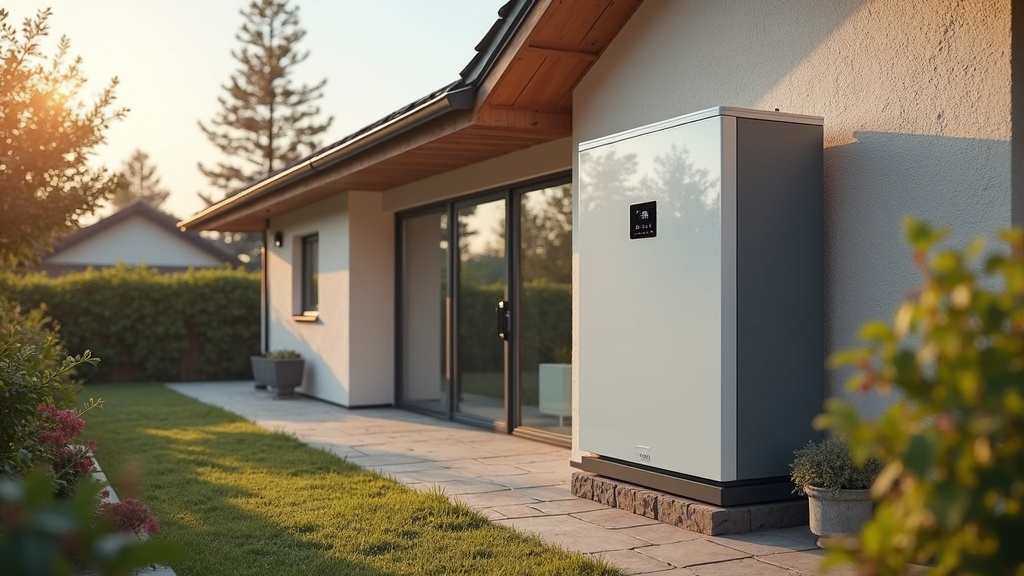
The Powerwall isn’t going anywhere — it’s still the gold standard for seamless, professional-grade home battery integration. But for homeowners who are comfortable doing some research, managing an install process, and working with an electrician for the grid-tie portion, the DIY home battery market in 2026 offers real value that wasn’t there two years ago.
If you’re in the research phase: get quotes for a professionally installed system (Powerwall or equivalent) alongside hardware-only pricing for a DIY alternative. The comparison will be clarifying. In my experience, the gap is often $3,000–$8,000 — significant enough to do the work.
Sources, uncertainty, safety, and affiliate disclosure
Check named sources for their publication date, geography, exact product, utility, and jurisdiction. Product specifications and programs change. Estimates are not guarantees. Electrical work, service upgrades, storage systems, transfer equipment, interconnection, and code compliance should be reviewed by the serving utility and a qualified electrician or installer as appropriate.
Some links may be affiliate links. SunBacked may earn a commission at no added cost to you; that does not determine editorial conclusions.