
Editorial quick answer
Best Whole Home Generators 2026: Ranked and Tested
Mike Reeves, electrician, breaks down the best whole home generator options for 2026: real installed costs, fuel math, and brand comparisons.
Who this is for
Homeowners using this topic to compare choices, identify tradeoffs, or prepare better questions.
What this cannot promise
A guaranteed bill reduction, output, runtime, incentive, code approval, interconnection result, or project-specific electrical design.
Assumptions, date, and local checks
Costs and performance depend on location, date, model, configuration, weather, tariffs, utility rules, program funding, installation details, and household loads. Incentive, net-metering, code, battery-sizing, and electrical statements require current jurisdiction and source checks. Confirm project-specific details with the serving utility, program administrator, manufacturer, and a qualified electrician or installer.
How evidence is labeled
Mike context
Limited to his 20 years as an electrician, going solar in 2019, and having no installer ties.
Manufacturer specification
Maker-published data for an identified model or version, not an independent measurement.
Public source
Utility, government, program, code, standards, or other dated public information.
Estimate
Math based on stated inputs and assumptions, not a quote or guarantee.
Editorial analysis
SunBacked’s synthesis of tradeoffs, separated from sourced facts.
Disclosure: This post contains affiliate links. If you purchase through our links, we may earn a small commission at no extra cost to you. This does not affect our recommendations — I only recommend products I’d put in my own clients’ homes.
By Mike Reeves | electrician & Solar Installer, 15 Years Experience
If you’re shopping for the best whole home generator for power outages, you’ve probably already noticed that most buying guides give you a list of models without telling you what they’ll actually cost to install, how much fuel they’ll burn, or whether a generator is even the right solution for your situation. I’ve installed standby generators for 15 years across hundreds of homes. I’m going to give you the numbers other guides skip.
The short version: a quality whole home generator costs $4,000–$8,000 for the unit, but your all-in installed cost is typically $8,000–$15,000 once you add the transfer switch, labor, and gas work. If you’re in an area with short outages and you already have solar or are considering it, a battery backup system might make more financial sense. I’ll cover that comparison too.
Who should buy a standby generator instead of a battery?
- Buy a generator first if you get multi-day outages, already have natural gas or large propane storage, and care more about runtime than silent operation.
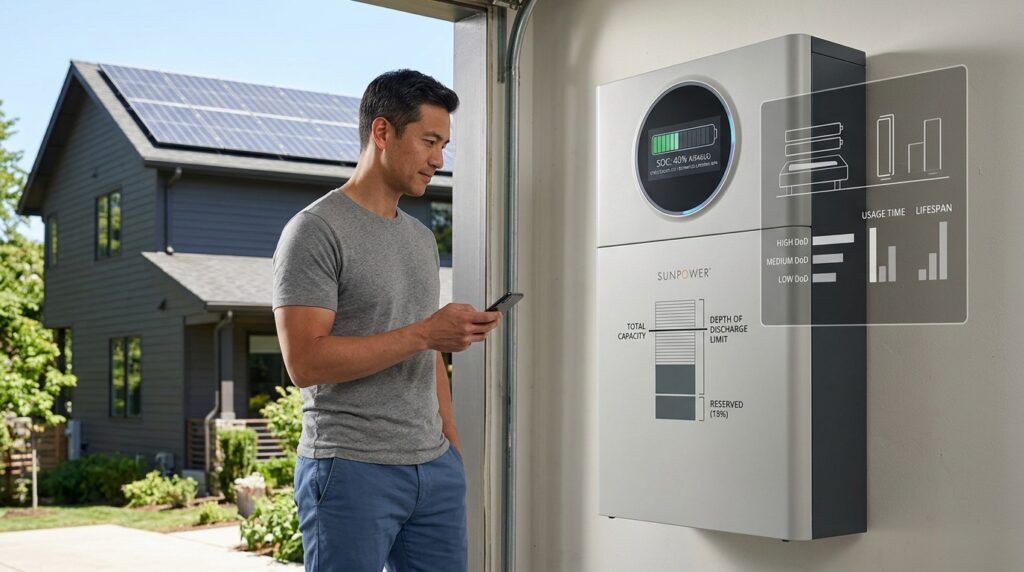
- Lean battery first if outages are short, power quality matters, or you already have solar and want the backup system doing daily work year-round.
- Consider both if you live in hurricane country or wildfire shutoff territory and need layered resilience.
This page becomes more useful when you compare it directly with our guides to generator vs battery backup, battery backup without solar, and solar panel brands.
How Big of a Generator Do You Need for a Whole House?
This is the question most guides answer wrong. They tell you to add up every appliance in your house and buy a generator that can run all of them simultaneously. That gives you an oversized, overpriced system. The right question is: what do you need to run during an outage?
There are two approaches:
- Essential circuits (10–16kW): Refrigerator, lights, well pump, HVAC (gas heat with electric fan), TV, phone charging. This is what most families actually need during an outage and costs significantly less to install.
- Whole-home coverage (20–26kW+): Everything runs at once — central AC, electric range, electric dryer, EV charger, all circuits. Zero lifestyle compromise during an outage. Significantly more expensive.
My sizing rule of thumb after 15 years in the field:
| Home Size | Recommended Generator Size | Est. Monthly Fuel Cost (Propane) | Best For |
|---|---|---|---|
| Under 1,500 sq ft | 10–14 kW | $30–$60 (monthly exercise + occasional outage) | Essential circuits |
| 1,500–2,500 sq ft | 16–22 kW | $50–$100 | Essential + AC |
| 2,500–4,000 sq ft | 22–26 kW | $80–$150 | Whole-home coverage |
| 4,000+ sq ft | 26–38 kW+ | $130–$250+ | Large home, everything runs |
Important caveat: These fuel estimates assume the generator runs about 2 hours/day for weekly exercise cycles plus one 24-hour outage per month. Actual outage costs depend on how often and how long you lose power in your area. Natural gas costs roughly 30–40% less than propane for the same energy output.
Best Whole Home Generators 2026: My Top Picks
After 15 years pulling wire on these systems, here are the brands and models I actually recommend to homeowners. Note: Generac and Kohler standby generators are typically sold and installed as a package through local dealers rather than shipped direct — I’ve noted where Amazon links are available for reference pricing.
1. Generac Guardian 22kW (Model 7043) — Best Overall
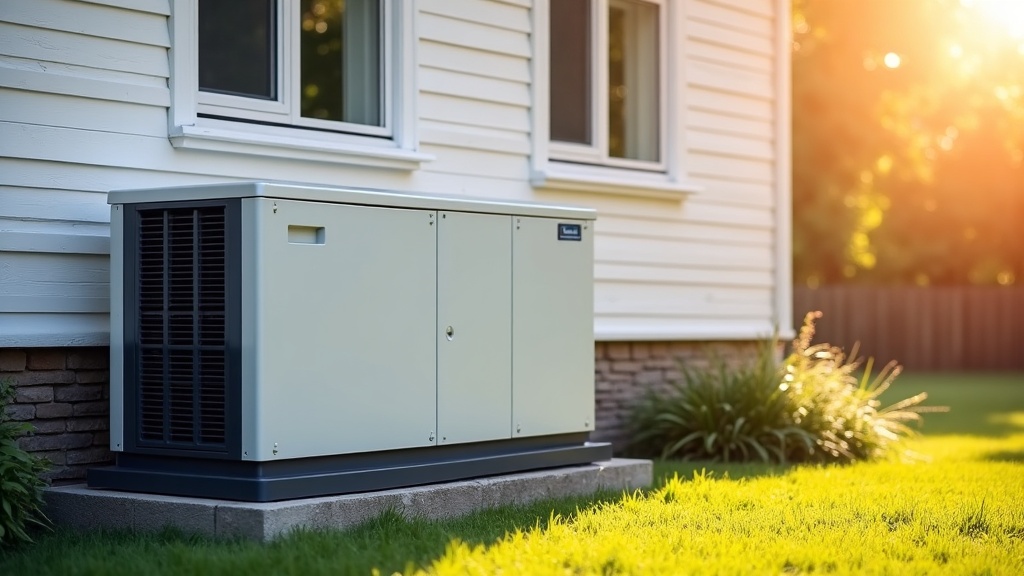
The Generac 22kW is the generator I install most often for medium and large homes. It’s the market leader for good reason: the parts are everywhere, every generator service tech in the country has worked on one, and the 5-year warranty is industry-standard. The Generac 7043 includes WiFi monitoring, automatic weekly exercise cycles, and a 200-amp SE-rated transfer switch.
- Output: 22kW (LP) / 19.5kW (NG)
- Fuel: Natural gas or liquid propane
- Warranty: 5 years (parts and labor)
- Noise: ~66 dB at 23 feet
- Unit price: ~$4,500–$5,500 (installed packages vary)
- Best for: Homes 2,000–3,500 sq ft wanting whole-home coverage
Mike’s take: The service network is the real advantage. If your Generac needs a repair at 2 AM during a January ice storm, you’ll find a tech. The 22kW hits the sweet spot between price and capacity for most homes. One honest downside: Generac’s air-cooled units run louder than liquid-cooled models — neighbors will know when it’s running.
2. Kohler 20RESCL-200SELS — Best Premium Option
Kohler builds commercial-grade generators, and it shows. The 20RESCL uses a heavier-duty engine block than comparable Generac units, which translates to longer service life and quieter operation. Kohler’s warranty covers parts, labor, and travel costs — that last item matters more than you’d think when a service call involves a technician driving an hour to your rural property.
- Output: 20kW (LP) / 18kW (NG)
- Fuel: Natural gas or liquid propane
- Warranty: 5 years (parts + labor + travel)
- Noise: ~67 dB at 23 feet
- Unit price: ~$5,000–$6,500 (installed packages vary)
- Best for: Homeowners who want premium quality and longer service life
Mike’s take: I’ve had Kohler units run 2,000+ hours without issues. The build quality difference over Generac is real, especially in the engine components. If you’re planning to stay in your home 15+ years and want the generator to outlast you, Kohler justifies the price premium.
3. Briggs & Stratton 20kW — Best Value
Briggs & Stratton isn’t the first name people think of for whole-home standby generators, but their 20kW unit is genuinely competitive. The Briggs & Stratton 20kW uses a purpose-built generator engine (not a converted automotive engine) and comes with a solid control board that’s straightforward to troubleshoot. Lower unit cost than Generac or Kohler, though the service network is smaller.
- Output: 20kW (LP) / 18kW (NG)
- Fuel: Natural gas or liquid propane
- Warranty: 3 years (parts and labor)
- Noise: ~68 dB at 23 feet
- Unit price: ~$3,500–$4,500
- Best for: Budget-conscious buyers; areas with good B&S dealer coverage
Mike’s take: The 3-year warranty (vs 5 for Generac/Kohler) is the main tradeoff. Before buying B&S, check that there’s a local dealer within 30–45 minutes — service availability is the biggest variable with this brand.
Quick Comparison Table
| Model | Output | Warranty | Fuel Options | Noise (23 ft) | Unit Price (Est.) |
|---|---|---|---|---|---|
| Generac 7043 22kW | 22kW LP / 19.5kW NG | 5 years parts + labor | LP or NG | ~66 dB | $4,500–$5,500 |
| Kohler 20RESCL | 20kW LP / 18kW NG | 5 years parts + labor + travel | LP or NG | ~67 dB | $5,000–$6,500 |
| Briggs & Stratton 20kW | 20kW LP / 18kW NG | 3 years parts + labor | LP or NG | ~68 dB | $3,500–$4,500 |
Generac vs Kohler: Which Brand Is Better?
This is the question I get asked most often. Here’s my honest answer after installing both brands for 15 years:
Generac wins on: Service network, parts availability, price, and market share. If something goes wrong with a Generac at 11 PM on a Sunday, there are more service technicians who can fix it. Generac also offers a wider range of sizes (from 7kW to 150kW), which means right-sizing is easier. According to Consumer Reports’ most recent generator testing, Generac holds the top market position in residential standby generators and earns solid reliability scores.
Kohler wins on: Build quality, engine longevity, and warranty coverage. Kohler’s commercial-grade engines have a longer service life than Generac’s air-cooled units. The warranty that covers travel costs is a genuine advantage if you’re in a rural area. Kohler also runs slightly quieter and has better cold-start performance in northern climates.
My recommendation: In urban and suburban areas with strong Generac dealer coverage, go Generac and save the cost difference. In rural areas or if you’re planning to keep the home 15+ years and want a “set it and forget it” unit, Kohler is worth the premium.
The DOE reports that the average American experienced more than 8 hours of power interruptions in 2023 — up significantly from a decade ago due to aging grid infrastructure and more severe weather. That’s the context driving standby generator demand right now.
Real Cost of a Whole Home Generator: Unit + Install + Fuel
Most guides show you the unit price and call it a day. That’s not what you’ll pay. Here’s the honest breakdown:
What You’ll Actually Spend
| Cost Component | Typical Range | Notes |
|---|---|---|
| Generator unit | $3,500–$8,000 | Depends on brand and kW size |
| Automatic transfer switch (ATS) | $800–$2,000 | Required. Manual switches cost less but don’t auto-start. |
| Electrician labor | $1,000–$3,000 | Varies by region and job complexity |
| Gas line extension | $500–$2,500 | Only if running new gas line to the pad |
| Concrete pad | $200–$600 | Required for permanent installation |
| Permit and inspection | $150–$500 | Required in most jurisdictions |
| Total (typical range) | $8,000–$15,000 | Complex installs or large units can exceed $20,000 |
The Reddit rule: A rough but useful heuristic from r/Generator: installed cost is roughly double the unit price. A $5,000 generator usually runs $9,000–$11,000 all-in. That tracks with what I see in the field.
Ongoing Annual Costs
- Annual maintenance: $150–$350 (oil change, filters, spark plugs, battery test, load bank test)
- Weekly exercise cycles: Your generator runs 20–30 minutes every week automatically. At 50% load, a 20kW unit consumes roughly 2–3 gallons of propane or equivalent NG per exercise cycle — budget $300–$600/year just for this.
- Outage fuel costs: At 50% load, a 22kW generator burns ~3 gallons of propane/hour. A 5-day outage at 12 hours/day = ~180 gallons = $540–$720 in fuel.
Bottom line: You’re looking at $400–$900/year in ongoing costs before any repair events. Budget for this when calculating your 10-year cost of ownership.
Propane vs Natural Gas Generator: Which Fuel Is Better?
Both fuels work well for standby generators. The right choice depends on your property and priorities:
Natural gas wins if: You have a gas line to your home. Natural gas is cheaper per BTU than propane (typically 30–40% less), and you’ll never run out — the utility line is essentially infinite supply. If you already have a gas furnace or gas range, NG is the obvious choice. About 70% of U.S. homes have access to natural gas service.
Propane wins if: You don’t have natural gas service (rural areas, well water properties), or if you want independence from the gas utility during extreme events where gas pressure might drop. A 500-gallon propane tank provides approximately 3–5 days of whole-home backup at moderate load. Propane also has slightly higher energy density than NG, which can mean marginally better generator output.
One honest note on propane: If your region had a major weather event that also caused widespread power outages, propane delivery trucks may be backed up for days. Storing a larger tank (750 or 1,000 gallons vs 500) mitigates this risk significantly if your property can accommodate it.
My recommendation: If you have natural gas service, use it. If you’re on propane, go 750 gallons or larger to ensure sufficient fuel buffer for extended regional outages.
Whole Home Generator vs Solar Battery Backup: Which Makes More Sense?
This is a comparison most generator guides skip entirely. I’ll give you the honest take.
Choose a standby generator if:
- You live in a hurricane, ice storm, or wildfire zone where multi-day outages are common
- You don’t have solar and aren’t planning to add it in the next 3–5 years
- You need to run a central HVAC continuously during outages
- You have medical equipment requiring uninterrupted power for extended periods
Choose solar + battery backup if:
- Your outages are typically under 12–24 hours
- You have or are adding solar panels (battery is the natural partner)
- Noise and emissions matter (HOA restrictions, personal values, close neighbors)
- You want daily value from your backup investment, not just emergency insurance
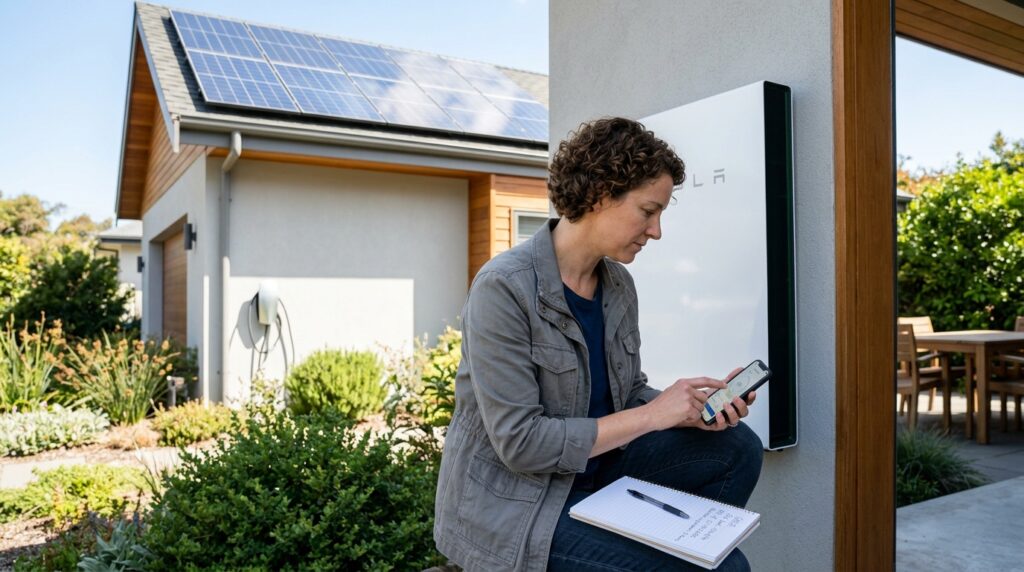
The cost comparison: A whole-home generator installed runs $8,000–$15,000. A solar + battery system (e.g., Tesla Powerwall 3 with 13.5 kWh + solar) runs $20,000–$35,000 before incentives, but earns daily value by offsetting your electric bill. After the 30% federal solar tax credit (available through 2032 for systems paired with solar), solar + battery can be cost-competitive over a 10-year window for homeowners in high-electricity-cost states.
If you’re weighing solar + battery as a generator alternative, I recommend getting quotes through EnergySage — it’s a free marketplace that shows you real installer quotes in your area, including EnergySage-verified battery systems. I’ve watched homeowners save $3,000–$5,000 on identical system specs by comparing multiple bids instead of going with the first installer.
Common standby-generator buying mistakes
- Oversizing the system: plenty of households pay for whole-home capacity when they really only need essential circuits plus HVAC.
- Ignoring fuel reality: propane refill logistics and natural-gas pressure limits matter more than the headline kW sticker.
- Comparing only generator price: transfer switch, trenching, gas work, permits, and pad prep can change the math drastically.
- Skipping the battery comparison: if you already have solar, a generator is not always the smartest first backup dollar.
What to Ask Your Generator Installer (Mike’s Pro Tips)
After 15 years and hundreds of installs, here are the questions that separate informed buyers from people who get oversold:
- “Show me the load calculation.” Any qualified installer should be able to show you the math on which circuits they’re sizing to, what their peak demand estimate is, and why they’re recommending that specific kW rating. If they can’t show you the math, get a second quote.
- “Do I actually need a full transfer switch or just a manual disconnect?” Automatic transfer switches are convenient but add $800–$1,500 to the job. If you’re rarely home during outages or comfortable with a manual start, a manual transfer switch is a legitimate option that saves real money.
- “Is a panel upgrade actually required?” Some installers will quote a panel upgrade as part of the job when it’s not strictly necessary. Ask for a specific explanation of why your current panel doesn’t meet code requirements. This question alone has saved my clients thousands of dollars.
- “What’s your service response time if the generator fails during an outage?” This is a dealbreaker question. An installer who can’t get to you within 24 hours during a regional outage event is not the right partner for critical backup power.
- “What setback requirements apply to my property?” Generators must be placed at code-specified distances from windows, doors, and property lines. Confirm the proposed placement meets local code before you agree to anything — repositioning after installation is expensive.
One more thing: Get three quotes. Generator installation pricing varies enormously — I’ve seen 30–50% price differences between installers for identical jobs in the same market. Labor rates, markup on equipment, and overhead costs all vary. The lowest bid isn’t always right, but the highest bid definitely isn’t always justified.
Frequently Asked Questions
How long does a whole home generator last?
A well-maintained standby generator should last 20–30 years. The typical service benchmark is 10,000–30,000 hours of runtime, depending on the brand and whether it runs on natural gas or propane. Annual maintenance is non-negotiable for reaching that service life.
Will a 22kW generator run my whole house?
For most homes under 3,500 sq ft without electric heat, yes. The critical variables are your HVAC system and whether you have electric appliances (range, dryer, water heater). A home with gas appliances and a 3-ton central AC can typically run on 18–22kW. A fully electric home with an EV charger and electric range may need 26–30kW.
Do I need a permit to install a whole home generator?
Yes, in virtually every U.S. jurisdiction. The permit covers the electrical work (transfer switch connection to your panel) and, if applicable, the gas line work. Any installer who suggests skipping the permit is cutting corners you don’t want cut — particularly on the electrical side.
How loud is a standby generator?
Most air-cooled standby generators run 65–70 dB at 23 feet — comparable to a lawnmower or loud conversation. Liquid-cooled models (typically 30kW+) can run 5–10 dB quieter. Check local noise ordinances before installation; some municipalities restrict generator operation hours during non-emergency conditions.
Can I install a whole home generator myself?
Legally, no — in most states, the electrical connection and gas line work require licensed contractors. Even if code permitted it, I’d strongly advise against DIY transfer switch installation. This is the component that protects utility workers from backfeed if it’s wired incorrectly. Hire a electrician.
Related reads
Mike’s Final Pick by Situation
- Best for most homeowners (2,000–3,500 sq ft, urban/suburban): Generac Guardian 22kW (7043) — best service network, right-sized capacity, solid 5-year warranty.
- Best for longevity / rural properties: Kohler 20RESCL — commercial-grade engine, warranty includes travel costs, longer service life.
- Best value / budget-conscious: Briggs & Stratton 20kW — competitive price, solid quality where local dealer support exists.
- If you have solar or plan to add it: Reconsider the generator. Get solar + battery quotes through EnergySage before committing to a standby generator — the math often favors solar + battery over a 10-year horizon in high-electricity-cost states.
- Hurricane/extended outage zone AND solar: Do both. A battery handles daily outages; a generator handles the 5-day events. This dual-system approach is standard practice in Florida, coastal Texas, and hurricane-belt states.
Ready to get quotes? If you’re leaning toward a standby generator, get at least three quotes from local licensed installers. If solar + battery is on your radar, start with EnergySage to compare certified installer quotes in your area — it’s free, takes five minutes, and shows you real pricing, not estimates.
and solar installer with 15 years of residential installation experience across hundreds of homes. He holds electrician certification and has completed standby generator installs for systems ranging from 10kW to 45kW.
Sources, uncertainty, safety, and affiliate disclosure
Check named sources for their publication date, geography, exact product, utility, and jurisdiction. Product specifications and programs change. Estimates are not guarantees. Electrical work, service upgrades, storage systems, transfer equipment, interconnection, and code compliance should be reviewed by the serving utility and a qualified electrician or installer as appropriate.
Some links may be affiliate links. SunBacked may earn a commission at no added cost to you; that does not determine editorial conclusions.