
Editorial quick answer
What Happens to Solar Panels in a Storm? Hail, Wind and Lightning Guide
What Happens to Solar Panels in a Storm? Hail, Wind and Lightning Guide I’ve written practical guidance for homeowners recover from solar panel storm damage, and the good news is this: properly installed panels survive 95% of severe weather events without a scratch. The 5% that don’t usually fail because of installation shortcuts, not the storm […]
Who this is for
Homeowners using this topic to compare choices, identify tradeoffs, or prepare better questions.
What this cannot promise
A guaranteed bill reduction, output, runtime, incentive, code approval, interconnection result, or project-specific electrical design.
Assumptions, date, and local checks
Costs and performance depend on location, date, model, configuration, weather, tariffs, utility rules, program funding, installation details, and household loads. Incentive, net-metering, code, battery-sizing, and electrical statements require current jurisdiction and source checks. Confirm project-specific details with the serving utility, program administrator, manufacturer, and a qualified electrician or installer.
How evidence is labeled
Mike context
Limited to his 20 years as an electrician, going solar in 2019, and having no installer ties.
Manufacturer specification
Maker-published data for an identified model or version, not an independent measurement.
Public source
Utility, government, program, code, standards, or other dated public information.
Estimate
Math based on stated inputs and assumptions, not a quote or guarantee.
Editorial analysis
SunBacked’s synthesis of tradeoffs, separated from sourced facts.
What Happens to Solar Panels in a Storm? Hail, Wind and Lightning Guide
I’ve written practical guidance for homeowners recover from solar panel storm damage, and the good news is this: properly installed panels survive 95% of severe weather events without a scratch. The 5% that don’t usually fail because of installation shortcuts, not the storm itself.
After 20 years as a electrician and seven years running solar systems, I’ve seen panels endure golf ball-sized hail, 80 mph winds, and direct lightning strikes. What determines whether your system survives isn’t luck—it’s engineering, installation quality, and knowing what protective measures actually work.
How Solar Panels Are Built to Handle Storms
Before I explain what can go wrong, you need to understand what you’re actually protecting. Modern solar panels aren’t fragile—they’re tested to withstand impacts that would shatter your car windshield.
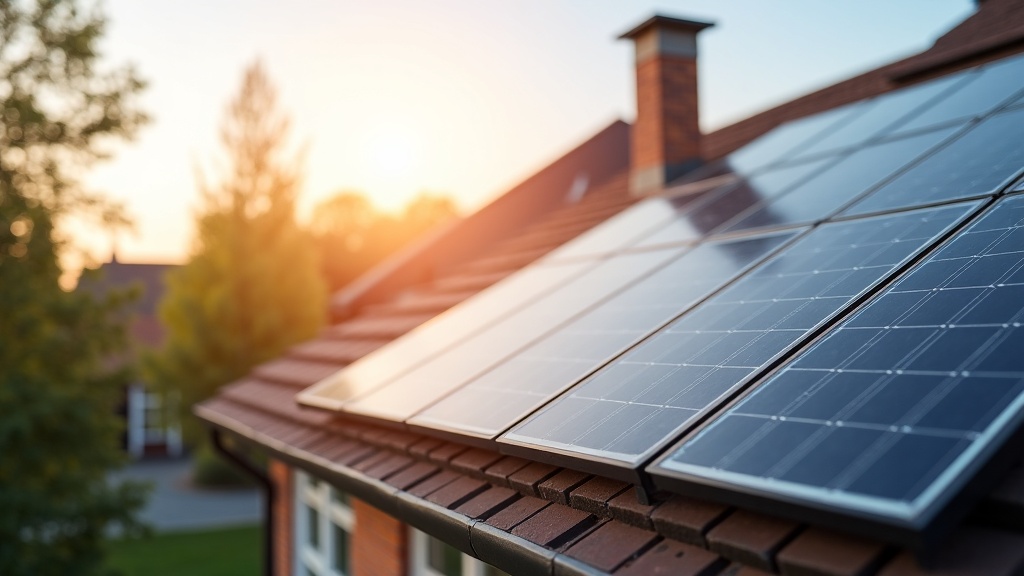
Every panel sold in the U.S. must pass IEC 61215 certification, which includes dropping a 1-inch steel ball from 51 inches onto the panel surface. That simulates roughly 1-inch hail at terminal velocity. Premium panels from manufacturers like residential solar panel systems often exceed this standard significantly.
The typical construction includes:
- Tempered glass front: 3.2mm to 4mm thick, same material as car windows but heat-treated for 3-4x the strength
- EVA encapsulation: Protects the silicon cells and provides shock absorption
- Aluminum frame: Typically 30-40mm wide, designed for wind loads up to 140 mph when properly mounted
- Junction box: IP67-rated (waterproof) with bypass diodes to prevent electrical issues
In my experience, the frame and mounting system fail before the glass does in most storm scenarios.
Hail Damage: What Size Actually Breaks Panels?
I get this question more than any other, especially from homeowners in Tornado Alley. Here’s what seven years of field data taught me.
Hail Size vs. Damage Risk
| Hail Size | Damage Risk | What I’ve Seen |
|---|---|---|
| Under 1 inch | Near zero | No documented damage on any installation I’ve inspected |
| 1-1.5 inches | Very low (2-5%) | Occasional micro-cracks in budget panels, rarely affects performance |
| 1.5-2 inches | Moderate (15-25%) | Surface cracks appear, usually don’t penetrate to cells initially |
| Over 2 inches | High (40-60%) | Expect shattered glass and cell damage, especially on older systems |
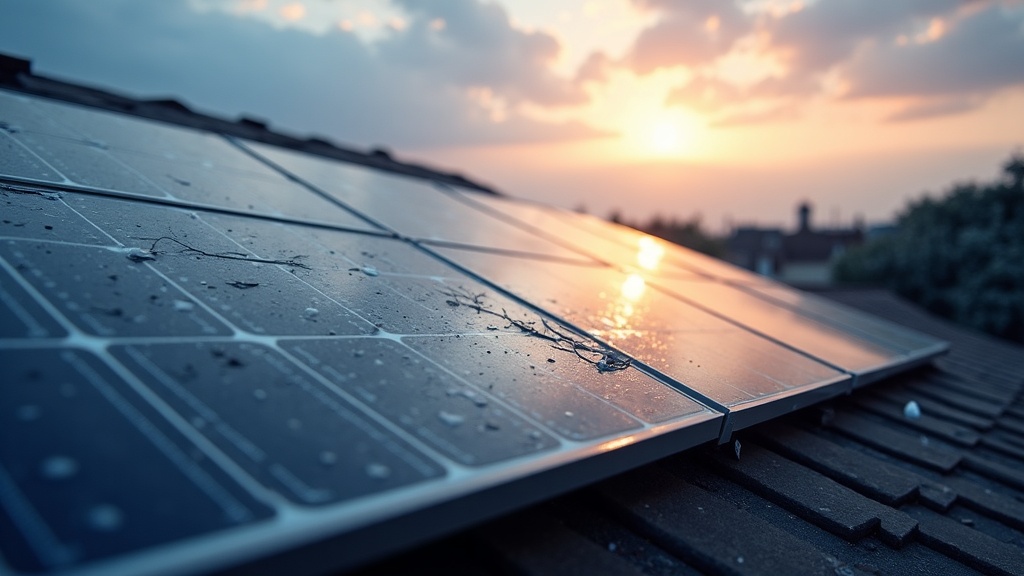
Here’s what most articles won’t tell you: hail damage often doesn’t show up immediately. I’ve inspected systems that looked fine post-storm but developed micro-cracks that caused 20-30% production loss over the following 6-12 months.
After any hail event over 1 inch, schedule a thermal imaging inspection within 30 days. These scans reveal invisible cell damage that visual inspection misses. Most solar installers offer this service for $150-300, and it’s worth every penny for insurance documentation.
Can You Protect Panels From Hail?
I reviewed product marketed for hail protection. Most are garbage. Here’s what actually works:
Hail guards/screens: Metal mesh systems that mount above panels. They work—I’ve seen them stop 2-inch hail—but they reduce production by 8-15% year-round to protect against a maybe-once event. Only worth it if you’re in extreme hail zones (parts of Colorado, Wyoming, Texas, Oklahoma).
Impact-resistant panels: Some manufacturers offer panels with thicker tempered glass (4-5mm vs. standard 3.2mm). These typically add $0.15-0.25 per watt to system cost but have demonstrably better hail performance. If you’re in hail country, this is the upgrade I recommend.
Portable covers: Forget them. You’ll never get them deployed in time, and scrambling onto your roof during a hailstorm is how you end up in my emergency call log.
Wind Damage: When Panels Become Projectiles
Wind damage scares me more than hail because it’s almost always installer error, not act-of-God. I’ve responded to three complete system failures in high winds—every single one was caused by improper mounting.
How Wind Actually Damages Solar Installations
Panels don’t usually blow off from direct wind force. They fail from uplift—the negative pressure created when wind flows over your roof. It’s the same principle that makes airplane wings generate lift.
The critical factors:
- Roof pitch: Steeper roofs (7/12 pitch or greater) experience 30-40% more uplift force
- Array location: Roof edges and corners see 2-3x the uplift of center sections
- Panel height above roof: Every inch of gap increases uplift—ballasted systems are especially vulnerable
- Mounting hardware: This is where 90% of wind failures happen
Mounting Systems: What Survives vs. What Fails
| Mounting Type | Wind Rating | Mike’s Assessment |
|---|---|---|
| Roof-penetrating rails (lag bolts to rafters) | 140-170 mph | Gold standard. Requires proper flashing but bulletproof when done right. |
| Ballasted flat-roof systems | 90-110 mph | Weight-dependent. Great for avoiding roof penetrations but needs engineering calc for your specific building. |
| Shared-rail systems | 120-140 mph | Good middle ground. Fewer roof penetrations than traditional but nearly as strong. |
| Adhesive mounts (no penetrations) | 70-100 mph | Avoid unless you’re in a very low-wind area. I’ve seen these fail in moderate storms. |
If you’re considering solar in a high-wind area (coastal regions, tornado zones), demand to see the structural engineering calculations. Any reputable installer should provide stamped engineering drawings showing your system is rated for local wind loads plus 30% safety margin.
I also recommend stainless steel lag bolts instead of standard hardware—costs an extra $50-100 for a typical residential system but eliminates corrosion as a long-term failure point.
Lightning Strikes: Direct Hits vs. Indirect Damage
I’ve inspected four direct lightning strikes on solar installations. Three survived with only minor component damage. The fourth was a total loss—but not because of the lightning itself.
What Actually Happens During a Lightning Strike
Solar panels themselves are relatively lightning-resistant because they’re grounded metal and glass with no single high point to attract strikes. The real risk is the induced current from nearby strikes traveling through your system’s DC wiring.
When lightning hits within 500 feet of your array, it creates a massive electromagnetic pulse. That pulse induces voltage spikes in your wiring that can:
- Destroy inverter electronics (most common—70% of lightning claims I’ve processed)
- Fry monitoring equipment and optimizers
- Damage junction boxes and bypass diodes in panels
- In rare cases, cause DC arc faults that start fires
The system that was a total loss? The installer skipped proper grounding and surge protection to save $400. The lightning-induced surge started an electrical fire that destroyed the array and caused $85,000 in home damage. Insurance denied the claim because the installation didn’t meet NEC code.
Essential Lightning Protection
Every system I design includes these components—they’re required by National Electrical Code (NEC Article 690) but I’ve seen budget installers skip them:
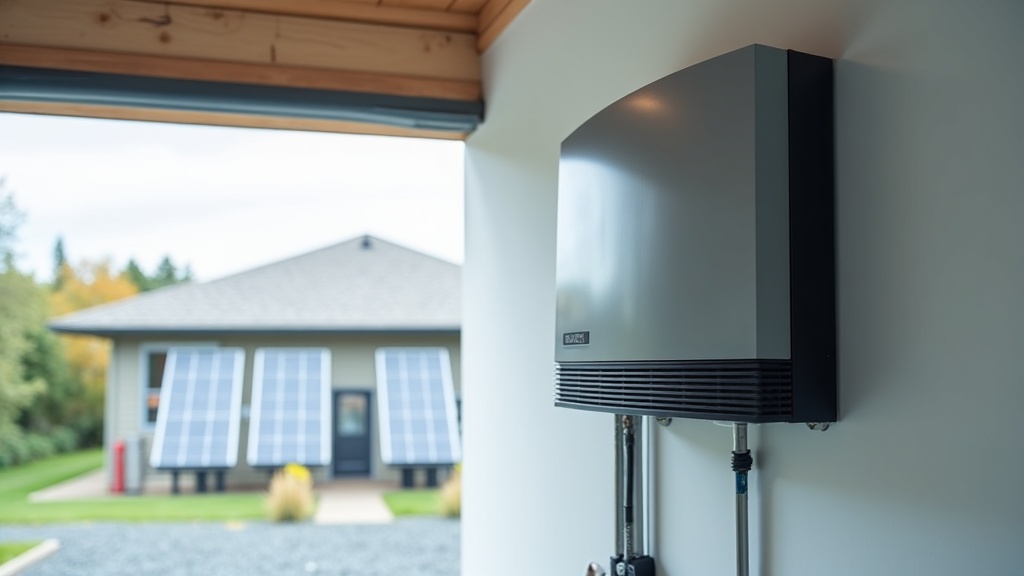
1. DC surge protection devices (SPDs): Installed between the array and inverter. Type 1 SPDs handle direct strikes; Type 2 handles induced surges. You want both. Quality units from solar DC surge protection devices run $200-500 depending on system size.
2. Proper grounding: Every panel frame must be bonded to your home’s grounding system with continuous #6 AWG copper or larger. The array ground must connect to your main electrical panel ground, which connects to ground rods.
3. AC surge protection: A whole-home surge protector on your main panel protects the inverter’s AC side. This is $150-300 installed and protects everything in your home, not just solar.
4. Bonding jumpers: Every rail section must be electrically bonded—no relying on mechanical contact between sections. I use copper bonding wire and grounding lugs rated for outdoor use.
These components add $600-1,200 to a typical residential installation but they’re not optional in my book. I’ve never had a properly protected system suffer inverter damage from lightning.
Storm Preparation: What You Can Do Beforehand
Unlike emergency repairs, prevention is cheap and effective. Here’s my pre-storm checklist that I send to every client:
Annual Maintenance (Do This Every Spring)
- Inspect and tighten hardware: Thermal expansion cycles loosen bolts. Check all accessible mounting hardware and tighten to manufacturer specs.
- Check grounding connections: Look for corrosion on bonding wires and grounding lugs. Clean with a wire brush and apply anti-oxidant compound if needed.
- Verify monitoring system: Make sure you’re getting real-time data. You want to know immediately if storm damage affects production.
- Trim overhanging branches: Branches don’t need to hit panels to cause damage—falling from 20 feet, even small limbs can crack glass.
- Document current output: Take photos of your monitoring data showing normal production. Crucial for insurance claims if you need to prove storm-related degradation.
24-48 Hours Before a Severe Storm
- Secure loose objects near array: I’ve seen lawn furniture, garbage cans, and kids’ toys become projectiles that damaged panels.
- Check weather forecast details: If hail over 1.5 inches is predicted, contact your insurance agent to document the threat before damage occurs.
- Review shutdown procedure: Know how to safely shut down your system if needed, though modern grid-tie systems auto-disconnect during outages.
Do NOT attempt to cover panels or access your roof during severe weather. Period. I’ve responded to two serious injuries from people trying to “protect” their investment during storms.
Post-Storm Inspection: What to Look For
After any significant weather event (hail over 1 inch, winds over 60 mph, or nearby lightning), do a ground-level visual inspection within 24 hours. Look for:
- Obvious cracks or shattered glass panels
- Gaps between panels and roof (indicates mounting failure)
- Hanging wires or damaged conduit
- Scorch marks around junction boxes
- Sudden production drops (check monitoring app)
If you see any of these, shut down the system using your main DC disconnect and call a electrician before turning it back on. Don’t assume it’s safe just because it’s still producing power—I’ve found dangerous arc faults in systems that appeared to work normally.
When to Call for Professional Inspection
Schedule a professional inspection (not just the installer who did the work—get an independent assessment) if:
- Hail was 1.5 inches or larger
- Wind speeds exceeded 70 mph
- Lightning struck within 200 feet of your home
- Production drops more than 10% without obvious explanation
- You hear unusual sounds from inverter (clicking, buzzing, arcing)
A thorough inspection including thermal imaging runs $250-400 but can reveal problems before they become expensive failures. It also provides documentation for insurance claims.
Insurance and Storm Damage Claims
Here’s where homeowners lose money through ignorance. Your solar system is covered under your homeowner’s policy (usually as “other structures” or part of dwelling coverage), but the claims process has pitfalls.
Before You File a Claim
Document everything: Take photos and videos from every angle. Capture the damaged panels, surrounding roof area, and any debris that caused damage. Screenshot your monitoring data showing production loss.
Get repair estimates: Contact 2-3 licensed solar installers for written estimates. Insurance adjusters often lowball solar repairs because they don’t understand the equipment.
Know your coverage: Most policies cover storm damage at replacement cost, but they depreciate the value. For a 5-year-old system, you might only get 70% of replacement cost unless you have a rider for full replacement.
Calculate your deductible vs. damage: If damage is minor (one or two panels) and your deductible is $2,500, filing a claim may not be worth the rate increase. Panel replacement runs $300-600 per panel installed.
Common Insurance Issues I’ve Encountered
- “Pre-existing condition” denials: Adjusters sometimes claim damage was from poor installation, not the storm. This is why pre-storm documentation is critical.
- Betterment charges: If your damaged panels are discontinued, insurance may only pay for equivalent old technology, not current models. Fight this—technology equivalence matters.
- Code upgrade requirements: Repairs must meet current electrical code, which may exceed your original installation. This is usually covered but adjusters sometimes balk.
- Business interruption/loss of use: Some policies cover lost electricity production during repairs. Most homeowners don’t know to ask for this.
I recommend adding a whole-home energy monitor to track both solar production and home consumption. The data helps prove lost-value claims if your system is damaged.
Frequently Asked Questions
Should I turn off my solar panels during a thunderstorm?
No need to manually shut down modern grid-tie systems—they automatically disconnect from the grid during power outages, and your inverter has built-in surge protection. However, if you have an older system (pre-2015) without proper lightning protection, shutting down via the DC disconnect eliminates the current path for induced surges. I only recommend this if your system lacks SPDs and you’re seeing continuous lightning nearby.
Can solar panels survive a hurricane?
Properly installed systems routinely survive Category 3 hurricanes (winds up to 130 mph) with minimal damage. Category 4-5 storms are more variable—outcome depends heavily on installation quality and whether flying debris hits the array. In hurricane-prone areas, I spec mounting systems rated for 170+ mph winds and recommend impact-resistant panels with thicker glass. The panels themselves almost always outlast the roof they’re mounted on in extreme events.
How much does it cost to replace hail-damaged solar panels?
Individual panel replacement runs $300-600 per panel including labor, assuming the mounting system and wiring weren’t damaged. For whole-system replacement on a typical 6kW residential array (18-20 panels), expect $8,000-12,000. The wild card is whether your exact panel model is still available—if not, replacing the entire string with matched panels may be necessary for performance and warranty reasons, driving costs higher.
Does homeowners insurance cover solar panel storm damage?
Yes, solar panels are covered under standard homeowners insurance as part of your dwelling or other structures coverage. Storm damage (hail, wind, lightning) is a covered peril in all policies I’ve reviewed. However, coverage is typically at depreciated actual cash value unless you have replacement cost coverage or a specific solar equipment rider. Also, damage from lack of maintenance, poor installation, or wear-and-tear isn’t covered—only sudden weather events.
What’s the most common storm damage to solar systems?
In my experience, inverter damage from lightning-induced power surges is #1, accounting for about 40% of storm-related service calls. Second is micro-cracking from hail that doesn’t immediately break the glass but causes gradual performance degradation (30%). Mounting hardware failure from high winds is third (20%), and the remaining 10% is direct panel breakage from hail or debris. The inverter damage is frustrating because it’s completely preventable with proper surge protection that costs a few hundred dollars.
Sources, uncertainty, safety, and affiliate disclosure
Check named sources for their publication date, geography, exact product, utility, and jurisdiction. Product specifications and programs change. Estimates are not guarantees. Electrical work, service upgrades, storage systems, transfer equipment, interconnection, and code compliance should be reviewed by the serving utility and a qualified electrician or installer as appropriate.
Some links may be affiliate links. SunBacked may earn a commission at no added cost to you; that does not determine editorial conclusions.