

Editorial quick answer
Can I charge my electric vehicle for free?
I get this question a lot as an electrician and a solar owner: yes, you can sometimes charge an electric vehicle for free, but usually only in specific situations. In the real world, “free” EV charging usually means workplace charging, promotional public charging, or using solar power that you’ve already paid to install on your […]
Who this is for
Homeowners using this topic to compare choices, identify tradeoffs, or prepare better questions.
What this cannot promise
A guaranteed bill reduction, output, runtime, incentive, code approval, interconnection result, or project-specific electrical design.
Assumptions, date, and local checks
Costs and performance depend on location, date, model, configuration, weather, tariffs, utility rules, program funding, installation details, and household loads. Incentive, net-metering, code, battery-sizing, and electrical statements require current jurisdiction and source checks. Confirm project-specific details with the serving utility, program administrator, manufacturer, and a qualified electrician or installer.
How evidence is labeled
Mike context
Limited to his 20 years as an electrician, going solar in 2019, and having no installer ties.
Manufacturer specification
Maker-published data for an identified model or version, not an independent measurement.
Public source
Utility, government, program, code, standards, or other dated public information.
Estimate
Math based on stated inputs and assumptions, not a quote or guarantee.
Editorial analysis
SunBacked’s synthesis of tradeoffs, separated from sourced facts.
I get this question a lot as an electrician and a solar owner: yes, you can sometimes charge an electric vehicle for free, but usually only in specific situations. In the real world, “free” EV charging usually means workplace charging, promotional public charging, or using solar power that you’ve already paid to install on your home.
If you want the short version, here it is: the cheapest long-term way to charge an EV is usually at home, and the closest thing to truly free charging is using excess solar production during the day. Public free chargers exist, but they’re not common enough to depend on for everyday driving.
What “free EV charging” actually means
Most drivers use the word “free” in three different ways, and it helps to separate them:
- Actually free right now: a business, employer, hotel, apartment complex, or municipality lets you plug in without paying a fee.
- No extra out-of-pocket cost today: you charge from home solar panels during a sunny period, so you are not buying additional grid electricity at that moment.
- Already paid for elsewhere: charging is included in your rent, workplace perks, hotel stay, or the cost of a solar system you financed years ago.
That distinction matters. Free charging at a shopping center is not the same as “my EV costs me nothing to fuel forever.” The second claim is rarely true once you account for electricity rates, charging equipment, vehicle efficiency, and the upfront cost of a solar system.
Where you may be able to charge an EV for free
1. At work
Many employers offer free Level 2 charging as an employee benefit. If you have access to that kind of setup, it can cover a large share of your weekly driving without any direct cost to you. This is one of the most practical forms of free charging because the car sits parked for several hours anyway.
2. At hotels, apartments, and destinations
Some hotels include EV charging in the stay, and some apartment or condo communities include it in rent or association fees. From the driver’s point of view, that can feel free, but it is still bundled into another cost. It’s still valuable, especially if it lets you avoid pricier DC fast charging on the road.
3. At stores, parking garages, or local government sites
Free public chargers do exist. You’ll sometimes find them at retailers, libraries, city lots, museums, and mixed-use developments. The catch is reliability. A free charger may be occupied, power-limited, time-limited, or available only during business hours.
4. From home solar
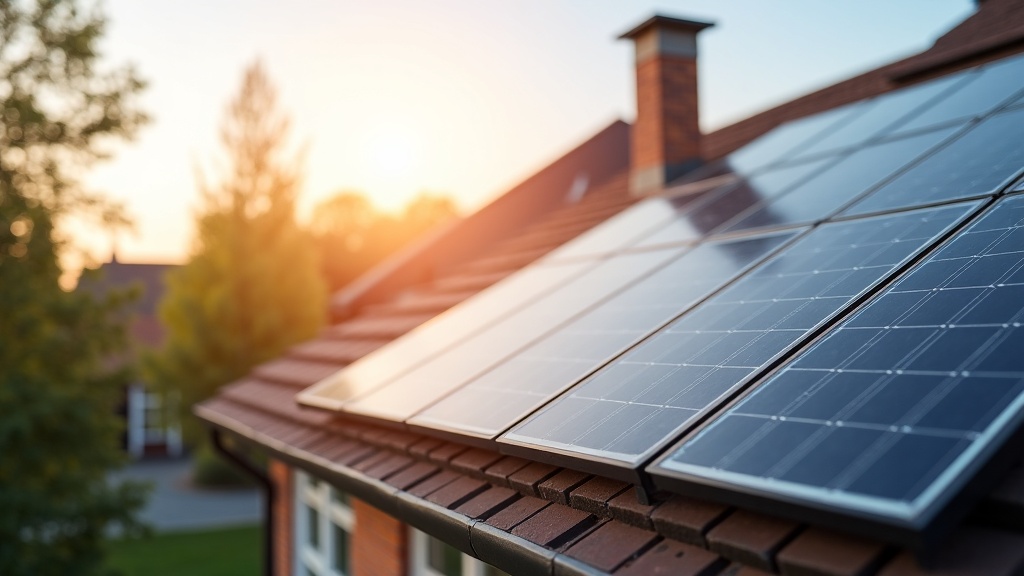
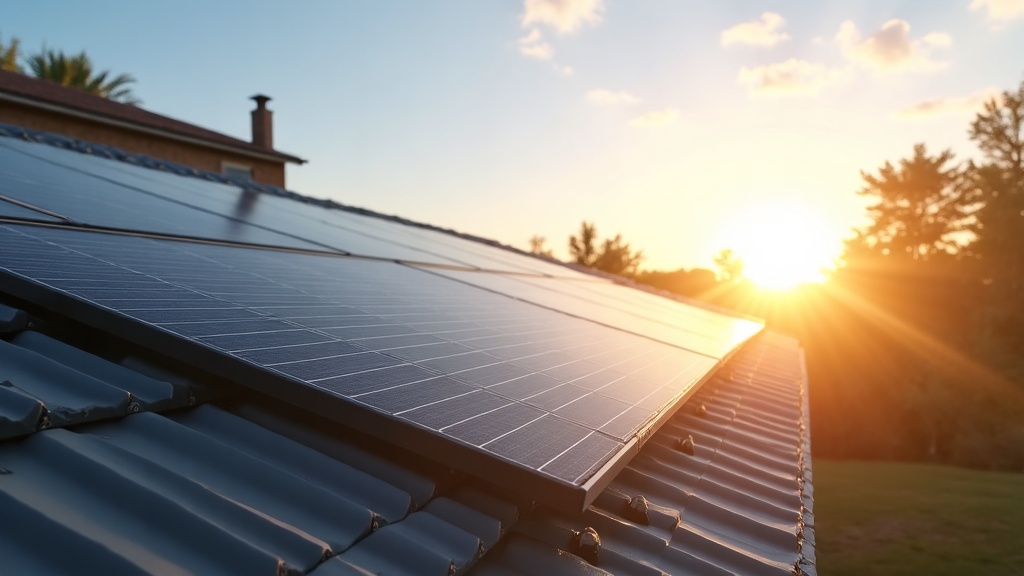
This is the option homeowners ask me about most. If your solar array is producing more power than the house is using, that excess can go into your EV instead of being exported to the grid. When the system is already installed, many people describe that energy as free. From a day-to-day cash-flow standpoint, that’s fair. From a total-cost standpoint, the solar system and EV charger still had to be paid for.
Free vs cheap: the comparison that matters
| Charging option | Can it be free? | How reliable is it? | Best use case |
|---|---|---|---|
| Workplace Level 2 | Often | High if available to you | Daily commuting |
| Retail or public free charger | Sometimes | Low to medium | Top-offs while parked |
| Hotel or destination charger | Sometimes | Medium | Overnight travel charging |
| Home charging from grid | No | Very high | Lowest-hassle everyday charging |
| Home charging from solar surplus | Closest practical version of free | Medium to high | Homeowners with daytime solar production |
| DC fast charging | Rarely | High availability in many areas | Road trips and quick turnarounds |
Can you charge an EV with solar panels for free?
Sometimes, yes, and this is where the question gets more interesting. If your solar system is already on the roof and it is generating more than your home is consuming, you can route that power into your EV. In that moment, you may avoid buying electricity from the utility. That is the strongest case for “free” charging.
But the details matter:
- Timing matters. Solar production peaks during the day. If your car is gone during working hours, you may not be home to use that production directly.
- Net metering rules matter. In some areas, exporting solar and charging later from the grid works out fine. In others, export credits are weaker, so daytime self-consumption is more valuable.
- Battery storage is optional, not required. You do not need a home battery to charge an EV with solar, but a battery can help shift energy into evening hours.
- Your roof size and driving habits matter. A modest system may offset part of your EV use, while a larger system may cover nearly all of it.
As a practical example, if your EV averages around 3 to 4 miles per kWh and you drive 30 miles a day, you may only need roughly 8 to 10 kWh daily for driving. Many residential solar systems can cover that amount on a good solar day. That does not mean every charge is free, but it does mean many homeowners can cut EV fueling costs sharply.
What usually prevents “free” charging
Charging speed limits
Free public chargers are often slower Level 2 stations. They are fine when your car will be parked for a while, but not great if you need a quick refill.
Access and time limits
Some locations post rules like two-hour limits, customer-only parking, or idle fees. A charger may cost nothing per kWh but still be inconvenient enough that you cannot count on it.
Upfront equipment costs at home
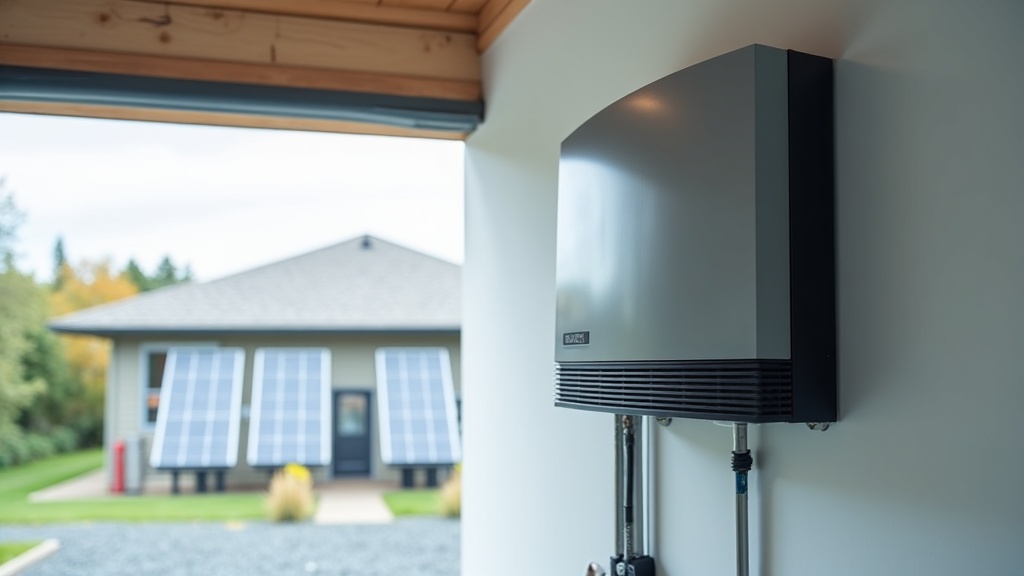
Home charging itself is usually cheap, but not literally free. You may need a 240-volt circuit, breaker space, wiring, and a wall-mounted charger. If you are pairing charging with solar, there is even more upfront cost. The ongoing energy may be low-cost, but the infrastructure is not zero-cost.
Solar production doesn’t always line up with driving
People hear “charge with solar” and picture the car drinking sun all day. In reality, many commuters take the car away from the house during the exact hours the solar array is producing best. That mismatch is one of the biggest reasons free solar charging is easier for remote workers, retirees, or households with a second EV that stays home.
How to get as close to free EV charging as possible
- Use workplace charging first if you have it. It is often the simplest no-cost option.
- Charge during solar production hours at home. Midday charging usually gives you the cleanest shot at using surplus generation.
- Shift other home loads away from charging windows. Running the dryer, oven, and EV charger at the same time can reduce how much solar goes into the car.
- Use time-of-use utility rates when solar is not enough. Off-peak charging can still be very cheap even when it is not free.
- Treat free public charging as a bonus, not a plan. Build your routine around reliable home or workplace charging.
Useful gear if you charge at home
You do not need to spend heavily to lower EV charging costs, but a few categories can make the setup easier and more efficient. If you are still comparing options, these are the categories I usually tell homeowners to look at:
- Level 2 EV charger 48A for faster home charging when your panel and circuit can support it.
- Smart EV charger with Wi-Fi if you want scheduling, load tracking, and app-based control.
- Portable EV charger Level 1/2 for travel, backup charging, or flexible use at different properties.
- Home energy monitor if you want to see when your solar is producing surplus power and time charging better.
One electrician’s note here: always size the charger and circuit to the house, not just the car. I have seen plenty of homeowners buy a high-amperage charger they cannot practically install without a service upgrade or load management solution.
Is free public EV charging worth hunting for?
Sometimes, but I would not build my whole ownership plan around it. Free chargers can save money if they fit places you already go, like your office, a grocery stop, or an overnight hotel. They are much less useful if you are driving across town and waiting in line just to avoid a few dollars of electricity.
Here is the test I use: if getting the free charge adds more hassle than value, it is not really free. Your time counts. For most drivers, dependable low-cost home charging beats unpredictable free charging almost every time.
What EV owners usually save even when charging is not free
The good news is that EV charging does not have to be free to be economical. In many areas, home charging still costs less per mile than gasoline by a wide margin. If you add solar into the mix, the economics often improve further, especially when you can charge during daylight production or under a favorable utility plan.
That is why I usually steer homeowners away from asking only, “Can I charge my electric vehicle for free?” A better question is, “How do I make charging reliably cheap, clean, and convenient?” That leads to better decisions about circuit sizing, charger selection, solar design, and utility rate plans.
FAQ
Can I charge my electric vehicle for free at public stations?
Yes, sometimes. Some businesses, municipalities, hotels, and employers offer no-cost charging, but availability is inconsistent and many stations have time or access restrictions.
Can solar panels fully charge an EV at home?
Yes, they can, if your system produces enough energy and your driving needs are moderate enough. Many homeowners can offset some or most of their EV charging with solar, but the result depends on system size, sun exposure, and when the car is home.
Do I need a home battery to charge my EV with solar?
No. A battery can help move solar energy into the evening, but it is not required. Plenty of homeowners charge directly from daytime solar production without battery storage.
Is workplace charging the best free option?
For many drivers, yes. It is usually more dependable than public free chargers because the car is already parked for hours and you are not making a separate trip just to plug in.
What is the cheapest reliable way to charge an EV?
Usually it is home charging on an off-peak utility rate, or home charging timed to solar surplus if you have panels. That combination tends to be more dependable than chasing free public stations.
Sources, uncertainty, safety, and affiliate disclosure
Check named sources for their publication date, geography, exact product, utility, and jurisdiction. Product specifications and programs change. Estimates are not guarantees. Electrical work, service upgrades, storage systems, transfer equipment, interconnection, and code compliance should be reviewed by the serving utility and a qualified electrician or installer as appropriate.
Some links may be affiliate links. SunBacked may earn a commission at no added cost to you; that does not determine editorial conclusions.