

Editorial quick answer
How much energy can you save with solar panels?
I’ve seen homeowners save anywhere from a small dent in the bill to nearly all of their annual usage with solar, and the honest answer is that most houses land in the middle. My rule of thumb is simple: if your roof gets solid sun, your utility rate is high, and you plan to stay […]
Who this is for
Homeowners using this topic to compare choices, identify tradeoffs, or prepare better questions.
What this cannot promise
A guaranteed bill reduction, output, runtime, incentive, code approval, interconnection result, or project-specific electrical design.
Assumptions, date, and local checks
Costs and performance depend on location, date, model, configuration, weather, tariffs, utility rules, program funding, installation details, and household loads. Incentive, net-metering, code, battery-sizing, and electrical statements require current jurisdiction and source checks. Confirm project-specific details with the serving utility, program administrator, manufacturer, and a qualified electrician or installer.
How evidence is labeled
Mike context
Limited to his 20 years as an electrician, going solar in 2019, and having no installer ties.
Manufacturer specification
Maker-published data for an identified model or version, not an independent measurement.
Public source
Utility, government, program, code, standards, or other dated public information.
Estimate
Math based on stated inputs and assumptions, not a quote or guarantee.
Editorial analysis
SunBacked’s synthesis of tradeoffs, separated from sourced facts.
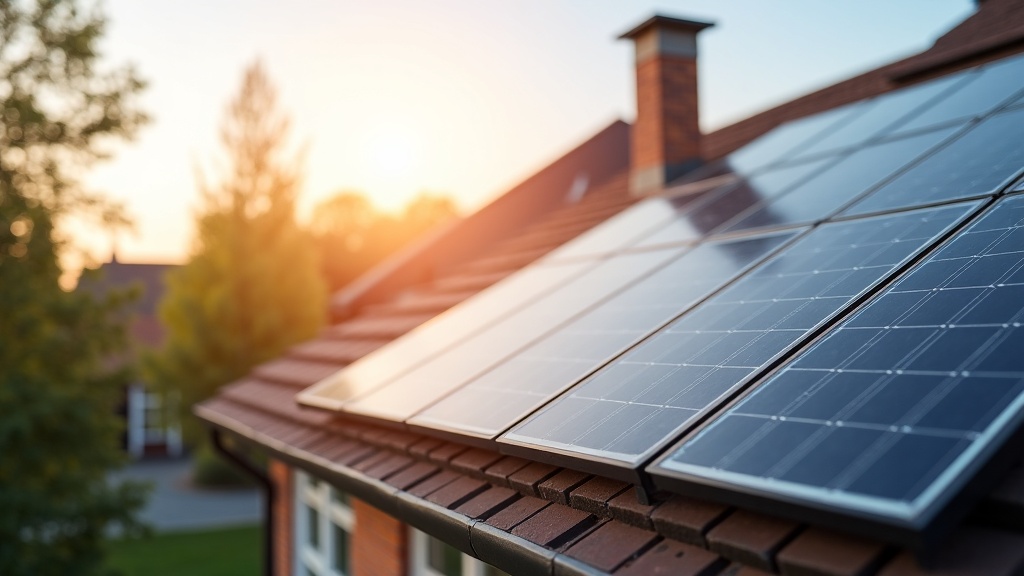
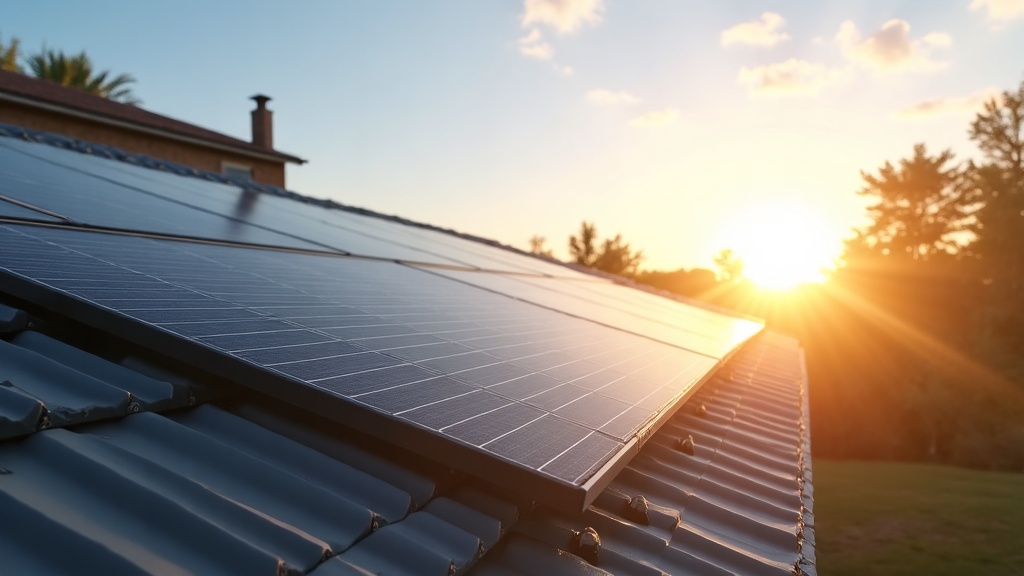
I’ve seen homeowners save anywhere from a small dent in the bill to nearly all of their annual usage with solar, and the honest answer is that most houses land in the middle. My rule of thumb is simple: if your roof gets solid sun, your utility rate is high, and you plan to stay put, solar usually saves real money; if one of those three is missing, I’d slow down and run the numbers harder.
You should not ask only how much energy your panels can produce. You should ask how much of your usage they can realistically offset, what your utility pays for extra production, and whether your goal is lower bills, outage backup, or both. Those three things matter more than the sales pitch, and they decide whether solar is a smart move now or something to revisit later.
The Short Answer
For a typical U.S. home, a properly sized solar system can often cover roughly 50% to 100% of annual electricity use, but that does not mean your bill drops by that exact percentage every month. Production changes by season, your home uses power at different times of day, and your utility’s net metering or buyback rules can make the same system look great in one area and just okay in another.
In plain English, a good solar setup usually saves the most for homeowners with high daytime production, expensive utility power, and a roof that is not shaded out by trees, vents, or neighboring homes. I pay attention to roof orientation a lot less than most marketing pages do; a slightly imperfect roof with strong utility rates can still be a far better deal than a perfect south-facing roof in a cheap-power area.
What This Means for a Homeowner
If you are trying to decide whether solar makes sense, stop thinking in terms of panel wattage alone and think in terms of offset, timing, and rate structure. A 9 kW system on one house can be a money-saver, while the same system on a different house can be oversized, overpriced, or paired with the wrong expectations.
- Your annual usage sets the ceiling. If you use 10,000 kWh per year, a system that makes 8,000 kWh offsets about 80% on paper before utility rules change the real savings.
- Your utility rate sets the value. Saving 1,000 kWh is worth a lot more where power costs 30 cents per kWh than where it costs 11 cents.
- Your roof and shade decide output. Even efficient panels cannot fix heavy afternoon shade or a roof chopped up by dormers and vents.
- Your schedule matters. If you are gone all day and your utility gives poor credit for exported power, battery storage starts to matter more than extra panels.
Here is the quick framework I use with homeowners. If you have a clean roof plane, high electric bills, and expect to live in the house for at least seven to ten years, solar deserves a serious look. If you have low usage because you already run an efficient home, you may still want solar, but the payback can stretch out unless your utility rates are climbing fast. If you want to measure where your biggest loads really are before sizing anything, a simple home energy monitor is one of the better small purchases you can make.
A realistic savings range
Most homeowners do better with scenarios than promises, so this is the kind of mental math I’d use:
| Situation | Likely Solar Offset | What Usually Limits Savings |
|---|---|---|
| High bill, sunny roof, favorable net metering | 80% to 100%+ | System size capped by roof space or utility policy |
| Average bill, decent roof, mixed buyback terms | 60% to 85% | Lower export credits and seasonal production gaps |
| Shaded roof or cheap utility power | 30% to 70% | Poor production value rather than panel capability |
| Heavy evening usage without battery | 50% to 80% | Solar makes energy midday, but your expensive usage happens later |
That is why “How much energy can you save with solar panels?” is really a house-by-house decision. The panels may be fine. The economics can still be mediocre if the rate plan or usage pattern is wrong.
What homeowners usually overlook
The biggest miss I see is people sizing solar to last year’s bill without thinking about next year’s loads. If you are adding a heat pump, switching from gas to electric water heating, or buying an EV, your future electric use may jump. In that case, it can be smarter to size for the house you are moving toward, not the house you had two summers ago. If you are planning for EV charging, it helps to look at practical gear like a Level 2 EV charger early so your solar and electrical upgrade plan work together.
When Battery Backup Makes Sense
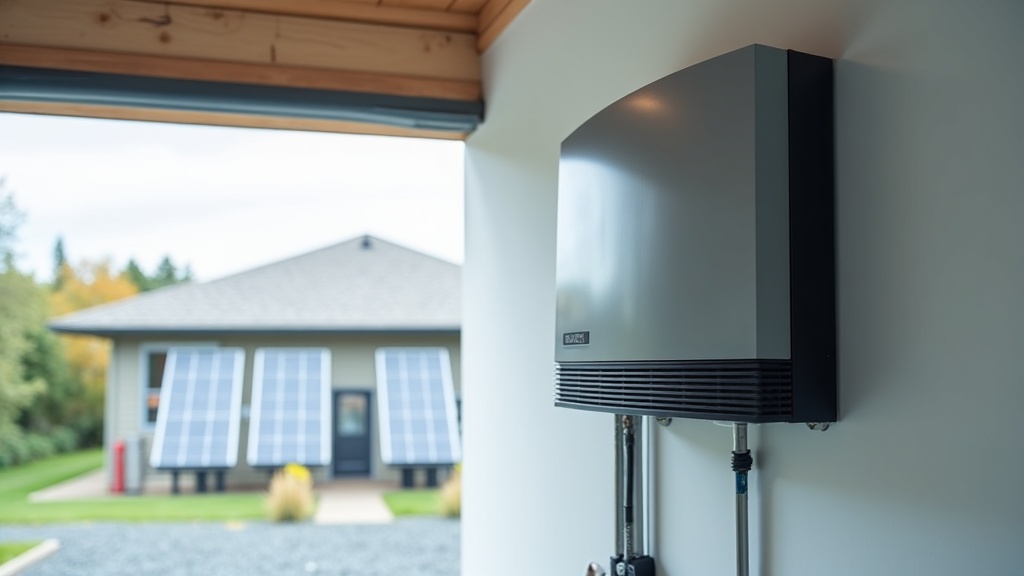
Battery backup makes sense when your goal is not just savings, but control. If your utility has weak net metering, high time-of-use rates, or frequent outages, a battery can help you keep more of your solar production for yourself and use it when power is most expensive or when the grid is down. That changes the value equation in a real way.
I would seriously consider a battery if you live where outages are common, if you work from home and cannot afford downtime, or if your home has must-run loads like a well pump, medical equipment, or refrigeration you do not want to gamble with. A battery is also worth a close look when your utility pays very little for exported solar and charges a lot during evening peaks. In those cases, storing midday production can outperform just adding more panels.
Battery-fit checklist
- You lose power several times a year or even a few times a year for long stretches.
- Your utility plan penalizes evening usage or gives poor credit for exported solar.
- You want backup for a small critical-load panel, not necessarily whole-house luxury during an outage.
- You already know which loads matter most and are willing to manage them.
Not every homeowner needs a premium battery system, but backup planning still benefits from basic load management gear. Even something as simple as a well-labeled generator transfer switch search can help you compare emergency-power options if you are weighing batteries versus a generator path.
When It Does Not
Solar does not make sense for every house, and battery backup definitely does not make sense for every budget. If you have heavy tree shade, a roof that needs replacement soon, very low electric rates, or you expect to move in a few years, I would be cautious. You can still install solar in those situations, but the odds of a clean financial win go down.
Battery storage also does not make sense when homeowners expect it to run the whole house the way the grid does unless they are prepared for the price tag that comes with that. One of my standard reality checks is this: if your main goal is bill savings and your grid is reliable, put the battery under tougher scrutiny than the panels. Marketing hype gets ahead of reality there faster than almost anywhere in solar. A lot of people are better off fixing attic insulation, sealing air leaks, or replacing an old pool pump before buying storage.
Common “not yet” scenarios
- Your roof is near the end of its life and would need to be redone in the next few years.
- Your annual electric use is low enough that the payback looks stretched even with decent incentives.
- You have major shade that you are not willing or allowed to remove.
- You are financing at a high rate and the payment wipes out most of the monthly savings.
What I Would Prioritize First
If I were looking at your house from scratch, I would not start with panel brand debates. I would start with your last 12 months of electric bills, your roof condition, your utility’s compensation rules, and the loads that really drive your usage. That tells me more in 20 minutes than most glossy proposals tell you in 20 pages.
After that, I would prioritize improvements in this order for most homeowners: reduce waste, confirm roof readiness, size solar around real annual usage, then decide whether backup is a need or a want. I’ve helped plenty of homeowners who were ready to buy a large system when a smaller system plus efficiency work was the better answer. That is not as exciting as “max out the roof,” but it is usually the more profitable move.
The order I’d use
- Trim waste first. Old HVAC equipment, poor insulation, and phantom loads can make you buy more solar than you actually need.
- Check the roof before the quote gets serious. If shingles are aging out, handle that first and avoid paying twice for labor later.
- Match system size to annual kWh, not to a sales target. Bigger is not automatically better if the utility underpays for exports.
- Separate bill savings from backup goals. Panels solve one problem; batteries solve a different one.
- Plan for future electrification honestly. If an EV, heat pump, or electric water heater is coming, include it now rather than pretending it will not matter.
If you want a basic homeowner toolkit while you work through quotes and load planning, I’d keep it practical: a clamp meter for spot-checking circuits, a plug-in watt meter for smaller loads, and the energy monitor I mentioned earlier if you want the full picture.
Bottom Line for Homeowners
Solar can absolutely save a meaningful amount of energy and money, but the useful answer is not a generic percentage. For the right house, you may offset most of your annual electricity use and make a very strong financial move. For the wrong house, or the right house with the wrong utility setup, the savings can be much thinner than the sales pitch suggests. That is why I tell homeowners to judge solar by offset, rate structure, and time horizon, not by panel count alone.
If your roof is in good shape, your electric bills are high, and you expect to stay in the home long enough to benefit, I would put solar on the serious-shortlist now. If outages are common or your utility plan punishes evening usage, I would evaluate battery backup next. If the roof is tired, the shade is heavy, or the bill is already low, I would hold off and spend money on efficiency or roof work first. That is the no-BS answer: solar is a strong fit for a lot of homeowners, but it pays off best when the house, the utility, and your goals actually line up.
Sources, uncertainty, safety, and affiliate disclosure
Check named sources for their publication date, geography, exact product, utility, and jurisdiction. Product specifications and programs change. Estimates are not guarantees. Electrical work, service upgrades, storage systems, transfer equipment, interconnection, and code compliance should be reviewed by the serving utility and a qualified electrician or installer as appropriate.
Some links may be affiliate links. SunBacked may earn a commission at no added cost to you; that does not determine editorial conclusions.