

Editorial quick answer
What are the maintenance requirements for a solar EV charging system?
I’ve found that most homeowners asking what are the maintenance requirements for a solar EV charging system? are really asking a simpler question: is this going to become one more expensive thing to babysit, and in most houses the honest answer is no if the system is designed right and yes if you pile on […]
Who this is for
Homeowners using this topic to compare choices, identify tradeoffs, or prepare better questions.
What this cannot promise
A guaranteed bill reduction, output, runtime, incentive, code approval, interconnection result, or project-specific electrical design.
Assumptions, date, and local checks
Costs and performance depend on location, date, model, configuration, weather, tariffs, utility rules, program funding, installation details, and household loads. Incentive, net-metering, code, battery-sizing, and electrical statements require current jurisdiction and source checks. Confirm project-specific details with the serving utility, program administrator, manufacturer, and a qualified electrician or installer.
How evidence is labeled
Mike context
Limited to his 20 years as an electrician, going solar in 2019, and having no installer ties.
Manufacturer specification
Maker-published data for an identified model or version, not an independent measurement.
Public source
Utility, government, program, code, standards, or other dated public information.
Estimate
Math based on stated inputs and assumptions, not a quote or guarantee.
Editorial analysis
SunBacked’s synthesis of tradeoffs, separated from sourced facts.
I’ve found that most homeowners asking what are the maintenance requirements for a solar EV charging system? are really asking a simpler question: is this going to become one more expensive thing to babysit, and in most houses the honest answer is no if the system is designed right and yes if you pile on gear you do not actually need.
If you want to charge your car from solar, your real decision is not just about panels or the charger. You need to look at your roof conditions, your utility bill setup, how often you charge, and whether your backup goals justify adding batteries, because that is where maintenance, cost, and complexity start to separate.
The Short Answer
A typical solar EV charging system has fairly light maintenance requirements. The solar panels usually need occasional visual checks and maybe periodic cleaning, the EV charger may need an inspection of connections and cable condition, and the electrical equipment should be looked at if you notice faults, nuisance breaker trips, error codes, storm damage, or a drop in solar production.
Where homeowners get into trouble is assuming every solar car charging setup is the same. A plain grid-tied solar system feeding a Level 2 charger is usually simple to live with. Add batteries, backup circuits, load controls, and software-based smart charging, and the maintenance burden goes up because you now have more electronics, more firmware, and more points of failure. I pay attention to that tradeoff before I get excited about any sales pitch.
What This Means for a Homeowner
For most houses, the maintenance is more about inspection and monitoring than constant hands-on work. That is good news, but you still need to know what you own and what normal looks like.
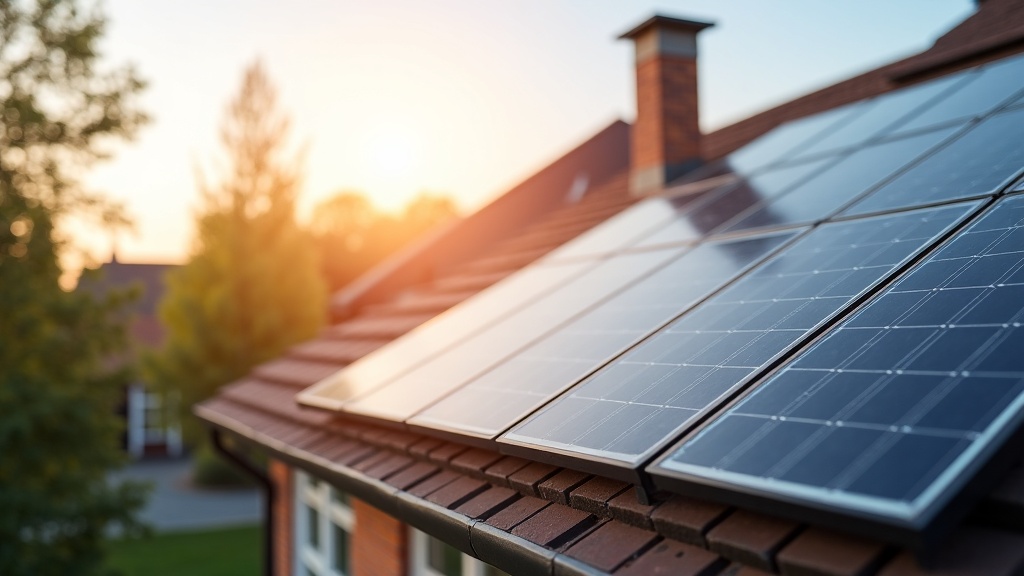
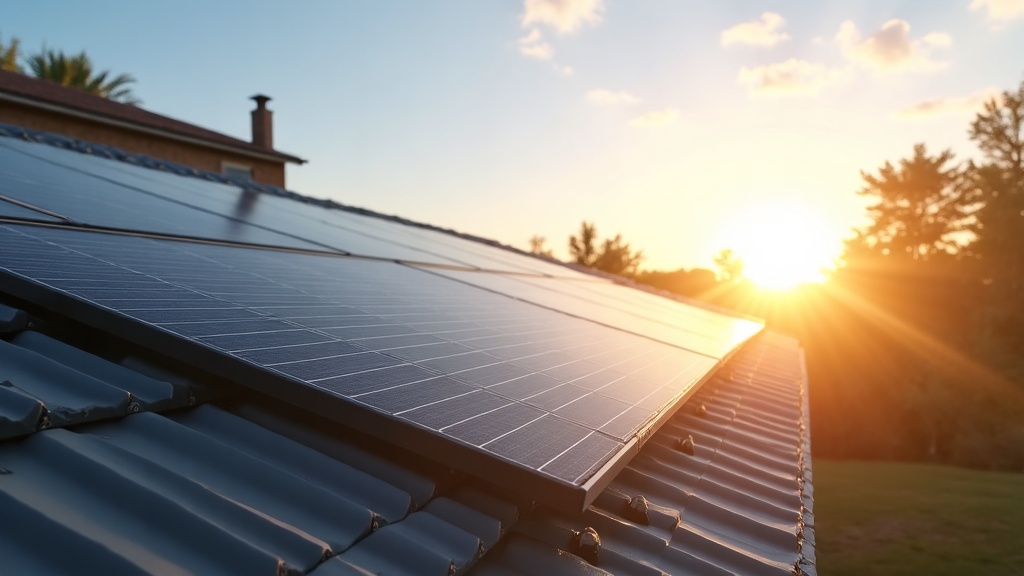
- Solar panels: Expect occasional cleaning only when dirt, pollen, bird mess, or smoke residue is actually affecting output. Many roofs do fine with rain alone.
- EV charger: Check the charging cable, plug, mount, and enclosure a few times a year for heat damage, cracking, loose mounting, or water intrusion.
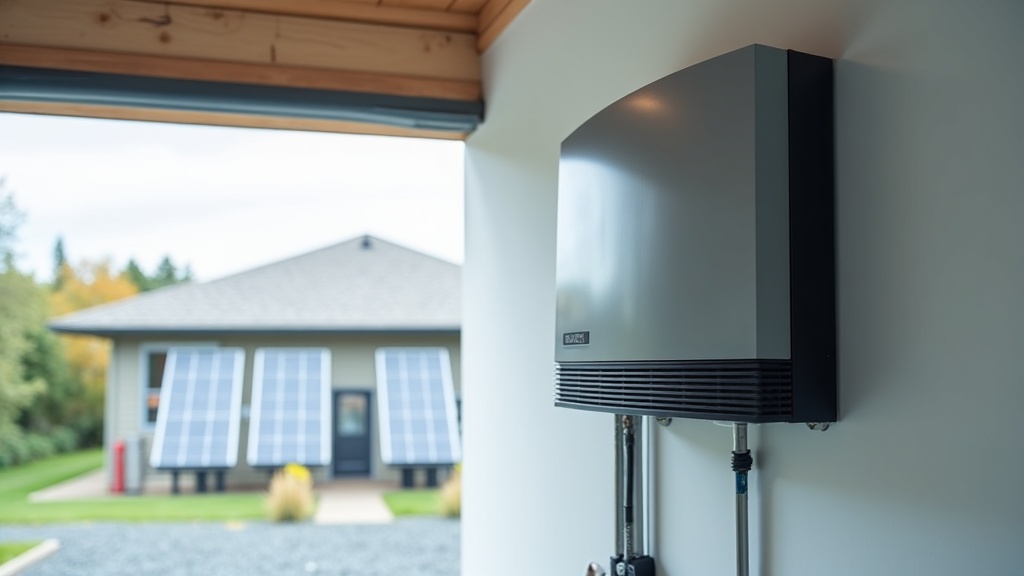
- Inverter and electrical gear: Watch for fault lights, unusual fan noise, error messages, or production drops in the monitoring app.
- Batteries and smart controls: These add value in some homes, but they also add firmware updates, extra shutdown procedures, and more service calls when something acts up.
If you are trying to decide whether this setup makes sense for your house, think in terms of layers. Panels are usually low drama. A hardwired Level 2 charger is usually low drama. Batteries and advanced energy management can be worth it, but only if they solve a real problem for you. Homeowners tend to overlook that a simpler system often delivers 80 to 90 percent of the benefit with less to maintain.
What routine maintenance actually looks like
| Component | What to check | Typical cadence | What matters most |
|---|---|---|---|
| Solar panels | Dirt buildup, broken glass, loose attachments visible from ground | 2 to 4 times per year | Only clean when output or appearance suggests it is needed |
| Inverter | Fault lights, error codes, fan noise, production trends | Monthly app glance, yearly physical look | Catch drops in output early |
| EV charger | Cable wear, handle damage, mounting security, water exposure | Every few months | Heat and physical wear are the main risks |
| Main electrical gear | Breaker issues, corrosion, rodent damage, loose conduit | Yearly or after storms | Safety first; call a pro if anything looks off |
| Battery system | Alerts, backup test results, temperature warnings, firmware status | Monthly app glance, annual service review | More electronics means more monitoring |
A simple homeowner checklist
- Open the solar monitoring app once a month and make sure production looks normal for the season.
- Look at the charger cable and plug for scuffs, soft spots, discoloration, or bent pins.
- After heavy wind or hail, do a visual ground-level panel check and inspect exposed conduit.
- Test any backup or load-management settings before you actually need them during an outage.
- Schedule an electrician or solar service call if you see repeated faults, water intrusion, or unexplained performance drops.
If you want a few practical maintenance items on hand, a non-contact tester and a good exterior-rated inspection light are useful, and a soft solar-safe brush can help when panels genuinely need cleaning. For category-level options, I’d look at a non-contact voltage tester, a soft bristle solar panel cleaning brush, and a rechargeable outdoor headlamp. None of those replace proper electrical service, but they do make routine checks easier.
When Battery Backup Makes Sense
Battery backup makes sense when your goal is bigger than just lowering your fuel bill. If your area has frequent outages, you need to keep a vehicle topped off for commuting or emergency driving, or your utility has ugly peak rates that reward storing daytime solar power, then a battery can turn a solar EV charging setup from a nice efficiency upgrade into a more resilient home energy system.
I usually like batteries best in houses where the homeowner already knows their load profile and has a clear backup plan. For example, if you only need to keep critical circuits on and slowly charge the EV when the sun is out, that can be a rational setup. It is also useful when your utility limits solar export value, because storing excess midday production can beat sending it back cheaply. In those cases, the added maintenance may be justified because the battery is solving a real problem instead of just making the system sound more impressive.
Good battery-backup scenarios
- You lose power several times a year and still need reliable transportation.
- Your utility rate plan makes evening charging expensive.
- You want solar energy available after sunset instead of depending on net metering credits.
- You are willing to monitor one more major component and budget for eventual battery replacement.
One thing I tell homeowners all the time: battery backup for the whole house plus full-speed EV charging during an outage is where expectations get unrealistic fast. That can be done, but it usually means a bigger battery bank and tighter load management than most people expect.
When It Does Not
Battery backup does not make sense when you already have stable grid power, favorable net metering, and a normal overnight charging routine. In that case, a straightforward grid-tied solar array plus a dependable Level 2 charger is usually the better value and the lower-maintenance choice. You still get the benefit of offsetting EV charging with solar production over time without paying for extra hardware you may barely use.
It also may not make sense if your roof or panel layout is marginal, your service panel needs upgrades first, or your budget is tight enough that adding batteries forces compromises elsewhere. I would rather see a homeowner install the right amount of solar, a quality charger, and any needed electrical panel work than stretch for a battery system they are not prepared to maintain. Marketing can make batteries sound mandatory for solar car charging, but in plenty of homes they are optional at best.
Signs you should wait
- Your main panel or feeder capacity is already a problem.
- Your roof needs work in the next few years.
- You charge mostly at work or drive so little that home EV charging is light.
- Your utility still gives solid credit for exported solar.
- You want the simplest setup possible with the fewest service variables.
If that sounds like your situation, spending money on monitoring, proper installation, and maybe a charger with adjustable amperage is usually the smarter move. If you are shopping by category, a hardwired Level 2 EV charger and a whole-home energy monitor are often more practical first purchases than battery-related accessories.
What I Would Prioritize First
If I were looking at your house with a practical eye, I would prioritize the parts that affect safety, charging reliability, and actual bill savings before I chased backup fantasies. In order, I would look at service capacity, the condition of the main panel, the solar array size relative to your driving, charger placement, shading, and your utility rate structure. That sequence tells you more than a glossy payback chart ever will.
My bias is simple: build the cleanest, simplest system that solves your real problem. If your goal is to cut gas costs and use more of your own solar, start with solid panels, a properly installed charger, and monitoring you will actually check. If your goal includes outage resilience, then price batteries after the basics are nailed down. I’ve seen homeowners spend too much on add-ons while ignoring cable management, weather exposure, or a panel that was already overcrowded.
My decision framework
- Yes, do it now: Your roof is good, your electrical service is ready, you drive enough to benefit, and you plan to stay in the home.
- Do solar and charger now, skip battery for now: You want lower operating costs, but outages are rare or your budget is better used elsewhere.
- Wait and fix prerequisites first: Roof, panel capacity, or utility-plan issues would weaken the investment today.
Recommended maintenance gear I actually find useful
You do not need a giant tool kit for a solar EV charging system, but a few basics help you catch small issues before they become service calls. I would keep it simple with a set of insulated screwdrivers for non-live access panels and charger hardware, a telescoping inspection mirror with light for tight equipment spaces, and a weatherproof EV charger cable organizer to keep the connector off the ground and reduce wear. Those are not glamorous purchases, but they are the kind of things that help equipment last.
Bottom Line for Homeowners
What are the maintenance requirements for a solar EV charging system? In a well-designed setup, they are manageable: occasional panel cleaning when conditions justify it, routine visual checks, app-based monitoring, and prompt service when faults show up. The maintenance story only starts to feel heavy when you add layers of equipment that do not clearly match your house, budget, or backup needs.
My bottom-line recommendation is straightforward. If you want the best balance of payoff and simplicity, go with a properly sized solar system and a quality Level 2 charger first, then add battery backup only if outages, rate plans, or self-consumption goals truly justify the extra cost and upkeep. For most homeowners, the smartest solar EV charging system is not the most elaborate one. It is the one you can afford, monitor, and rely on without turning your garage into a part-time maintenance project.
Sources, uncertainty, safety, and affiliate disclosure
Check named sources for their publication date, geography, exact product, utility, and jurisdiction. Product specifications and programs change. Estimates are not guarantees. Electrical work, service upgrades, storage systems, transfer equipment, interconnection, and code compliance should be reviewed by the serving utility and a qualified electrician or installer as appropriate.
Some links may be affiliate links. SunBacked may earn a commission at no added cost to you; that does not determine editorial conclusions.