
Editorial quick answer
How long do portable power stations last?
I size home battery backup around critical loads first, not marketing promises. Portable power stations usually last 3 to 10 years in real-world use, but that answer depends on which kind of battery is inside, how deeply you drain it, and whether you store it properly between outages or camping trips. For most homeowners, the […]
Who this is for
Homeowners using this topic to compare choices, identify tradeoffs, or prepare better questions.
What this cannot promise
A guaranteed bill reduction, output, runtime, incentive, code approval, interconnection result, or project-specific electrical design.
Assumptions, date, and local checks
Costs and performance depend on location, date, model, configuration, weather, tariffs, utility rules, program funding, installation details, and household loads. Incentive, net-metering, code, battery-sizing, and electrical statements require current jurisdiction and source checks. Confirm project-specific details with the serving utility, program administrator, manufacturer, and a qualified electrician or installer.
How evidence is labeled
Mike context
Limited to his 20 years as an electrician, going solar in 2019, and having no installer ties.
Manufacturer specification
Maker-published data for an identified model or version, not an independent measurement.
Public source
Utility, government, program, code, standards, or other dated public information.
Estimate
Math based on stated inputs and assumptions, not a quote or guarantee.
Editorial analysis
SunBacked’s synthesis of tradeoffs, separated from sourced facts.
I size home battery backup around critical loads first, not marketing promises. Portable power stations usually last 3 to 10 years in real-world use, but that answer depends on which kind of battery is inside, how deeply you drain it, and whether you store it properly between outages or camping trips.
For most homeowners, the more useful question is not just how many years the unit survives, but how long it will run the devices they care about when the grid goes down. A power station might last all night for a modem, lights, and phone chargers, or less than an hour if you expect it to run a space heater or full-size refrigerator by itself.
The Short Answer
If you buy a modern lithium iron phosphate (LiFePO4) portable power station from a reputable brand, you can reasonably expect several thousand charge cycles before the battery drops to around 80% of its original capacity. In practice, that often translates to many years of occasional backup use at home.
Older or cheaper units built with standard lithium-ion chemistry may cost less upfront, but they usually wear out faster. The battery does not suddenly die on a set date, either. What most people notice first is shorter runtime, slower charging, or reduced performance when the unit is heavily loaded.
What Actually Determines How Long It Lasts
There are two separate clocks running on every portable power station. One is calendar age, which is affected by heat, storage habits, and overall build quality. The other is cycle wear, which comes from charging and discharging the battery over and over again.
That distinction matters because a lightly used unit stored in a cool, dry place can stay useful for many years, while the same model can age much faster if it lives in a hot garage, sits at 0% for long periods, or gets drained hard every day. For most homeowners, storage conditions and usage pattern matter almost as much as battery chemistry.
What This Means for a Homeowner
Portable power stations can be useful backup tools, but they work best when your expectations match their size. Think of them as a quiet, low-maintenance battery reserve for essentials rather than a whole-home backup system.
- A small unit may keep phones, laptops, routers, and LED lights running for hours or even days.
- A mid-size unit can often support a CPAP, television, internet gear, and some kitchen devices for limited periods.
- High-watt appliances like space heaters, hair dryers, microwaves, and portable AC units drain batteries very quickly.
- If you want outage protection for refrigerators, sump pumps, or multiple circuits, capacity sizing matters more than marketing claims.
That is why runtime matters just as much as lifespan. A battery that lasts eight years is still the wrong purchase if it only covers a fraction of your actual emergency load.
When Battery Backup Makes Sense
A portable power station makes sense when you want silent indoor-safe backup for electronics, medical devices, communications, or a few critical appliances. It is especially appealing for people who live in apartments, want something easier than a gas generator, or need backup they can also take on the road.
It also fits well as part of a layered plan. Many homeowners use one for short outages, overnight essentials, or solar charging during extended blackouts. In that role, portability and simplicity can matter more than maximum output.
When It Does Not
It is usually not the right answer if your goal is to power central air conditioning, electric heat, an electric water heater, or most of the home for an extended outage. Those loads are simply too large for typical portable units unless you move into very expensive battery systems that are no longer truly portable.
It can also disappoint buyers who focus only on wattage and ignore battery capacity. A unit may advertise strong output numbers, but if the stored energy is limited, it can still run out far sooner than expected.
What I Would Prioritize First
First, list the devices you actually need during an outage and note both their running wattage and how many hours you want to support them. That gives you a realistic capacity target instead of guessing based on brand names or influencer reviews.
Second, prioritize battery chemistry, warranty, and surge handling over cosmetic features. A LiFePO4 unit with clear cycle-life specs and honest performance data is usually the better long-term value for homeowners who care about reliability.
Third, pay attention to how you will maintain it after purchase. A unit that gets topped off a few times a year, stored out of extreme heat, and tested before storm season will usually age much more gracefully than one that gets forgotten in a shed until the next outage.
Bottom Line for Homeowners
Most portable power stations last long enough to be worthwhile, especially if they use LiFePO4 batteries and are not abused by heat, deep discharge, or constant heavy loads. For occasional outages and everyday convenience, that can mean years of dependable service.
Just remember that lifespan and runtime are different questions. Buy based on the loads you need to cover, then treat the battery well. If you do that, a good portable power station can be a practical part of your home backup plan instead of an expensive disappointment.
What Usually Saves the Most Money
The money-saving move is usually not finding the most exciting hardware. It is sizing the system around real usage, choosing equipment that fits the job, and avoiding upgrades that solve a fantasy outage instead of the one you are actually preparing for.
I also think homeowners make better decisions when they separate resilience goals from bragging-rights goals. Once you know whether you are solving for essentials, comfort, or near-whole-home backup, the comparison gets much clearer and wasted spending usually drops fast.
That is the frame I trust most: define the loads, define the outage scenario, and then buy only the gear that materially improves the plan.
What I Would Compare Before Buying
If I were shopping this category for my own garage or outage kit, I would compare battery chemistry, warranty length, inverter size, and recharge speed before I paid much attention to app features or flashy marketing claims. Those practical specs decide whether the unit still feels useful after the novelty wears off.
I would also look closely at how the unit is actually going to live in the house. A battery that is too heavy to move, too small for the loads you care about, or too slow to recharge after a real outage can still be the wrong buy even if the chemistry itself is solid.
That is why I prefer turning chemistry into a decision filter instead of the whole decision. It matters a lot, but only inside a backup plan that already makes sense for your loads, your budget, and your outage pattern.
Before you buy, I would also compare LiFePO4 portable power stations against lighter legacy lithium-ion options so you are making an honest tradeoff between weight, cycle life, and long-term value instead of just buying the first battery spec that sounds modern.
Recommended Tools and Products
If you are comparing real options instead of just reading spec sheets, I would start with LiFePO4 portable power stations, smart home energy monitors, and folding solar panels for power stations because those three categories usually tell you faster whether the backup plan is actually practical.
- LiFePO4 portable power stations are the cleanest starting point for most homeowners who want safer indoor backup and better long-term cycle life.
- Smart home energy monitors help you size the battery around real loads instead of guessing from labels or panic-shopping after an outage.
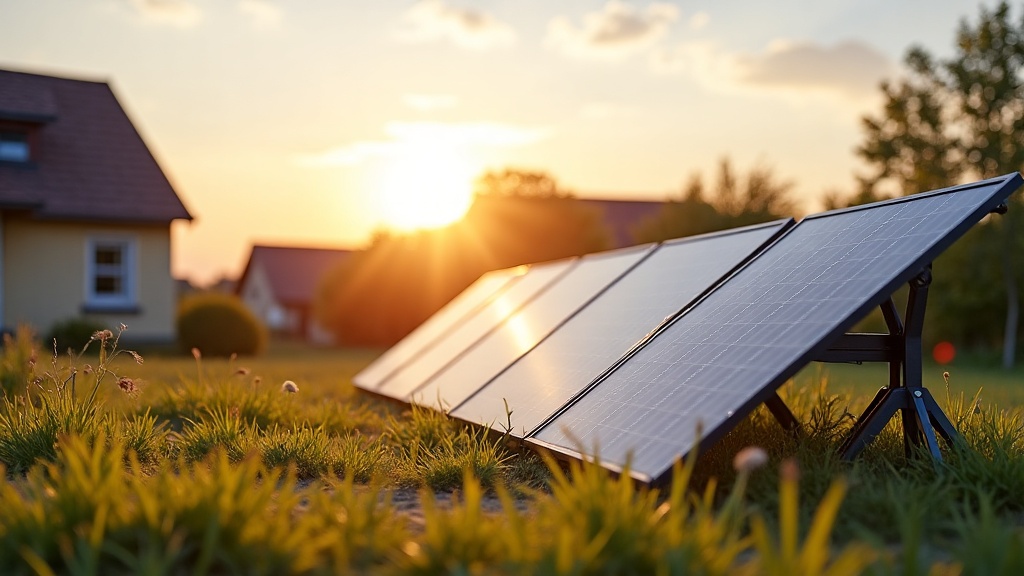
- Folding solar panels matter when you want a realistic way to extend runtime during multi-day outages without depending only on the wall.
What Usually Saves the Most Money
The money-saving move is usually not finding the most exciting hardware. It is sizing the system around real usage, choosing equipment that fits the job, and avoiding upgrades that solve a fantasy outage instead of the one you are actually preparing for.
I also think homeowners make better decisions when they separate resilience goals from bragging-rights goals. Once you know whether you are solving for essentials, comfort, or near-whole-home backup, the comparison gets much clearer and wasted spending usually drops fast.
That is the frame I trust most: define the loads, define the outage scenario, and then buy only the gear that materially improves the plan.
Sources, uncertainty, safety, and affiliate disclosure
Check named sources for their publication date, geography, exact product, utility, and jurisdiction. Product specifications and programs change. Estimates are not guarantees. Electrical work, service upgrades, storage systems, transfer equipment, interconnection, and code compliance should be reviewed by the serving utility and a qualified electrician or installer as appropriate.
Some links may be affiliate links. SunBacked may earn a commission at no added cost to you; that does not determine editorial conclusions.