
Editorial quick answer
How long can a generator run?
I size home battery backup around critical loads first, not marketing promises. How long a generator can run is mostly a fuel-and-load question, not a simple engine question. A small portable unit that is only covering a refrigerator, some lights, and device charging may run much of the day on a tank, while the same […]
Who this is for
Homeowners using this topic to compare choices, identify tradeoffs, or prepare better questions.
What this cannot promise
A guaranteed bill reduction, output, runtime, incentive, code approval, interconnection result, or project-specific electrical design.
Assumptions, date, and local checks
Costs and performance depend on location, date, model, configuration, weather, tariffs, utility rules, program funding, installation details, and household loads. Incentive, net-metering, code, battery-sizing, and electrical statements require current jurisdiction and source checks. Confirm project-specific details with the serving utility, program administrator, manufacturer, and a qualified electrician or installer.
How evidence is labeled
Mike context
Limited to his 20 years as an electrician, going solar in 2019, and having no installer ties.
Manufacturer specification
Maker-published data for an identified model or version, not an independent measurement.
Public source
Utility, government, program, code, standards, or other dated public information.
Estimate
Math based on stated inputs and assumptions, not a quote or guarantee.
Editorial analysis
SunBacked’s synthesis of tradeoffs, separated from sourced facts.
I size home battery backup around critical loads first, not marketing promises. How long a generator can run is mostly a fuel-and-load question, not a simple engine question. A small portable unit that is only covering a refrigerator, some lights, and device charging may run much of the day on a tank, while the same generator can burn through fuel quickly if you ask it to carry space heaters, a well pump, and kitchen circuits at the same time.
For homeowners, that distinction matters because outage planning usually breaks down at the fuel can, not on the spec sheet. If you want realistic runtime, you have to look at generator type, fuel source, maintenance intervals, and the specific appliances you expect to keep alive when the grid is down.
The Short Answer
Most portable gasoline generators run roughly 6 to 18 hours per tank depending on tank size and load level. Inverter generators often stretch runtime at lighter loads because the engine can throttle down, while conventional portable units tend to burn more fuel when they are asked to support large startup surges or run close to capacity for hours.
Standby generators can run much longer because they are usually connected to a large propane supply or a natural gas line. In practice, a standby unit may keep going through a multi-day outage, but that does not mean it can be ignored indefinitely. Oil service intervals, ventilation, ambient heat, and fuel availability still put real limits on how long continuous operation is wise.
Another way to frame it is this: a generator does not really have one fixed runtime. It has a short runtime at high load, a longer runtime at moderate load, and sometimes a much longer runtime when it is only supporting a carefully chosen set of essentials.
What Changes Runtime the Most
If you want a realistic estimate, these are the variables that matter most:
- Load level: Generators burn fuel faster as the electrical load rises, especially when motors are cycling on and off.
- Fuel type: Gasoline, propane, diesel, and natural gas all change both efficiency and refueling strategy.
- Tank or fuel supply size: A portable unit with a small onboard tank is limited very differently than a standby unit tied to utility gas.
- Generator design: Inverter models usually do better at partial loads because they are not forced to run full-speed all the time.
- Weather and placement: Hot conditions, poor airflow, and dirty operating environments add heat and stress during long runs.
- Maintenance schedule: Even if fuel is available, long continuous operation still has to pause for oil checks, oil changes, and general inspection.
Typical Runtime by Generator Type
Portable gasoline generators are the most common short-outage solution, but they are also the most sensitive to fuel planning. Many homeowners find that practical operation means running the generator in blocks, refueling safely after shutdown and cool-down, then cycling loads instead of assuming truly uninterrupted operation.
Portable inverter generators are often the most efficient choice for light essential loads. If the job is mainly refrigeration, electronics, lighting, and a few intermittent motor loads, they can be much easier to live with because they are quieter and often stretch a tank further.
Standby generators are built for longer events, especially when connected to natural gas. They remove much of the manual hassle, but runtime is still shaped by maintenance requirements and by whether the fuel source remains dependable during a regional emergency.
What This Means for a Homeowner
If you are trying to estimate runtime, stop thinking in terms of the whole house first. The fastest way to make a generator last longer is to reduce the list of loads you expect it to carry and reserve it for the circuits that actually protect health, safety, and food storage.
- Portable generators usually quit because they run out of fuel or hit a maintenance interval, not because the engine has a fixed time limit.
- Running closer to maximum output raises fuel burn, heat, and wear, which shortens practical runtime even if the tank is large enough.
- Standby generators are better suited to long outages, but they still depend on a solid fuel plan and regular servicing.
- Load management often adds more useful runtime than buying a slightly larger generator.
That is why two homeowners with the same generator can report completely different results. One may get through the night comfortably by powering only essentials, while another may be disappointed after trying to run too many high-draw appliances at once.
Why Portable Generators Rarely Run Nonstop for Days
Technically, some portable generators can accumulate very long operating hours if they are maintained correctly. Practically, nonstop multi-day use is where real-world limits show up. You need repeated refueling, periodic shutdowns, oil checks, and a safe window for cooldown. That process becomes more demanding at night, during storms, or when fuel lines at local stations are long.
There is also the issue of wear. A portable generator that spends an outage near its limit for long stretches is working much harder than one supporting a disciplined essential-load plan. That does not mean it will fail immediately, but it does mean more heat, more fuel burn, and more maintenance pressure.
When Battery Backup Makes Sense
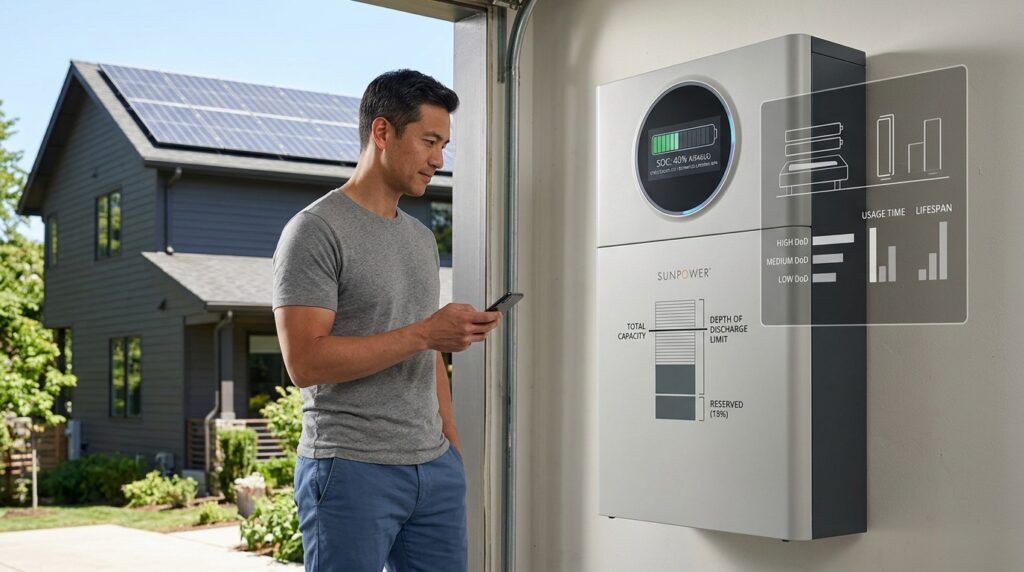
Battery backup makes the most sense when your priority is quiet, automatic power for modest essential loads. Internet equipment, lights, refrigeration, electronics, medical devices, and garage access are all good candidates if you want immediate backup without refueling, exhaust, or engine maintenance.
It also pairs well with a generator. A battery system can carry nighttime loads or short interruptions by itself, then let the generator run only when recharge is needed. That approach cuts noise, reduces fuel consumption, and avoids idling an engine just to support a few small circuits.
When It Does Not
Battery backup becomes much less economical when you need to support large loads for many hours, especially electric heat, central air conditioning, resistance water heating, or a whole-home panel with little load discipline. Those use cases push battery size and cost up quickly.
It is also a weaker fit if your area sees repeated multi-day outages and you do not have solar or another dependable way to recharge. In that scenario, a generator is still the more practical long-duration tool because stored fuel or utility gas can usually be replenished more easily than a large battery bank can be refilled.
What I Would Prioritize First
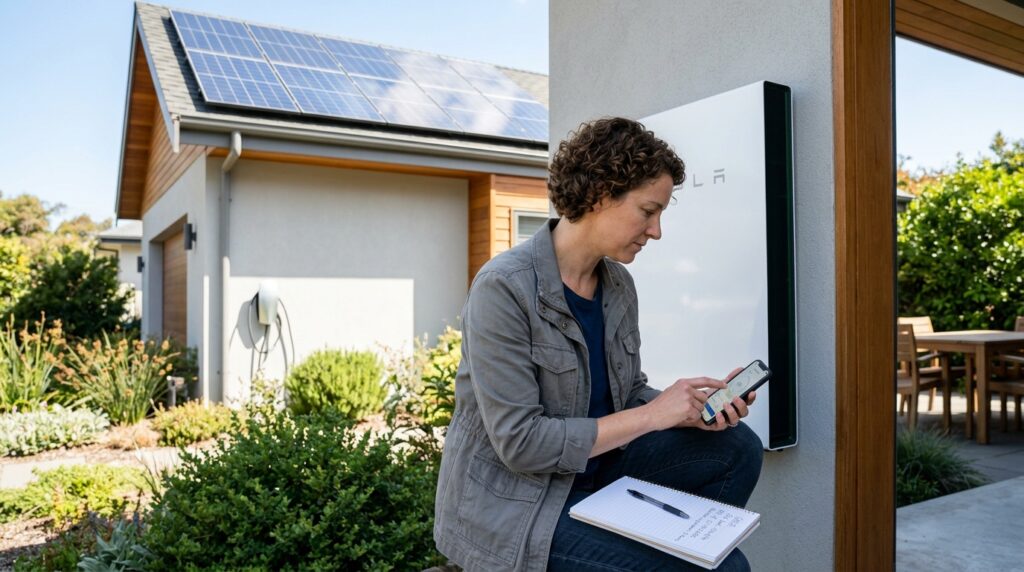
I would start by making a short essential-load list before comparing products. For many homes, the real priority is a refrigerator, freezer, modem, a few lights, phone charging, maybe a sump pump or well pump, and any critical medical equipment. Once that list is clear, generator sizing and runtime estimates become much more realistic.
After that, I would look at fuel logistics before advertised wattage. A generator is only as useful as your ability to keep it fueled safely and maintain it during a long outage. Gasoline storage, propane tank size, oil-change access, and safe operating placement matter just as much as the unit’s power rating.
A Better Way to Estimate Your Own Runtime
Start with the loads you actually need, not the maximum wattage printed on the generator carton. Add up the running wattage of those essentials, note which items have motor startup surges, and then compare that real load against the generator’s rated output. After that, use the manufacturer’s fuel-consumption or runtime figures at 25 percent and 50 percent load as a starting point, not a promise.
That simple exercise usually changes the buying decision. Some homeowners realize a smaller inverter generator plus stricter load management is enough. Others discover they really do need a larger portable unit, a standby generator, or a battery system to avoid constant refueling and manual juggling.
Safety Still Sets the Rules
No runtime discussion matters if the setup is unsafe. Portable generators should stay outdoors, well away from doors, windows, soffit vents, and garages, and refueling should happen only when the unit is off and cool. Extension cord limits, transfer-switch setup, and carbon monoxide risk are just as important as tank size.
Bottom Line for Homeowners
A generator can run anywhere from a few hours to several days, but the real constraint is usually fuel supply, load size, and maintenance discipline. Portable generators are best treated as selective-backup tools. Standby systems are better for longer outages if the fuel source is dependable and the unit is serviced properly.
If your goal is the longest practical runtime, focus on essential circuits first and build the backup plan around them. That usually leads to lower fuel use, less stress on the equipment, and a system that is easier to live with when an outage lasts longer than expected.
Before you buy, I would also compare LiFePO4 portable power stations against lighter legacy lithium-ion options so you are making an honest tradeoff between weight, cycle life, and long-term value instead of just buying the first battery spec that sounds modern.
Recommended Tools and Products
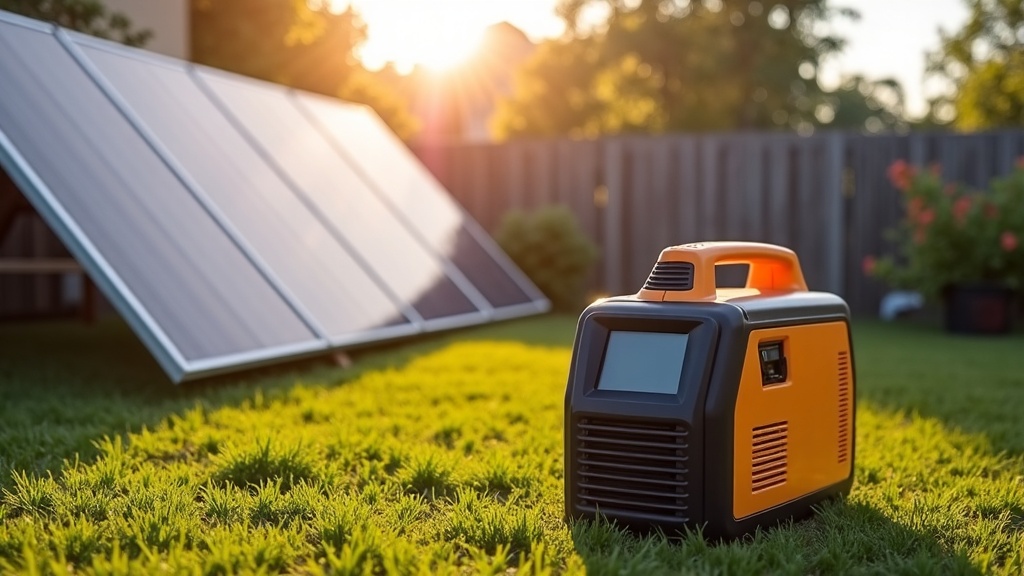
If you are comparing real options instead of just reading spec sheets, I would start with LiFePO4 portable power stations, smart home energy monitors, and folding solar panels for power stations because those three categories usually tell you faster whether the backup plan is actually practical.
- LiFePO4 portable power stations are the cleanest starting point for most homeowners who want safer indoor backup and better long-term cycle life.
- Smart home energy monitors help you size the battery around real loads instead of guessing from labels or panic-shopping after an outage.
- Folding solar panels matter when you want a realistic way to extend runtime during multi-day outages without depending only on the wall.
Sources, uncertainty, safety, and affiliate disclosure
Check named sources for their publication date, geography, exact product, utility, and jurisdiction. Product specifications and programs change. Estimates are not guarantees. Electrical work, service upgrades, storage systems, transfer equipment, interconnection, and code compliance should be reviewed by the serving utility and a qualified electrician or installer as appropriate.
Some links may be affiliate links. SunBacked may earn a commission at no added cost to you; that does not determine editorial conclusions.