
Editorial quick answer
Home Backup Power Checklist: Outage Preparedness
Growing up in the Pacific Northwest, I thought power outages were just part of life — a few hours, maybe a day, then back to normal. After the 2021 heat dome and several multi-day outages from winter...
Who this is for
Homeowners using this topic to compare choices, identify tradeoffs, or prepare better questions.
What this cannot promise
A guaranteed bill reduction, output, runtime, incentive, code approval, interconnection result, or project-specific electrical design.
Assumptions, date, and local checks
Costs and performance depend on location, date, model, configuration, weather, tariffs, utility rules, program funding, installation details, and household loads. Incentive, net-metering, code, battery-sizing, and electrical statements require current jurisdiction and source checks. Confirm project-specific details with the serving utility, program administrator, manufacturer, and a qualified electrician or installer.
How evidence is labeled
Mike context
Limited to his 20 years as an electrician, going solar in 2019, and having no installer ties.
Manufacturer specification
Maker-published data for an identified model or version, not an independent measurement.
Public source
Utility, government, program, code, standards, or other dated public information.
Estimate
Math based on stated inputs and assumptions, not a quote or guarantee.
Editorial analysis
SunBacked’s synthesis of tradeoffs, separated from sourced facts.
Growing up in the Pacific Northwest, I thought power outages were just part of life — a few hours, maybe a day, then back to normal. After the 2021 heat dome and several multi-day outages from winter storms, I changed my thinking entirely. Getting serious about power outage preparedness isn’t paranoia; it’s just good homeownership. Here’s the complete checklist I’ve built over the years.
Assess Your Actual Needs First
Before buying any equipment, figure out what matters most in an outage. Walk through your home and answer: What stops functioning without power? What creates a safety risk? What’s the difference between “annoying” and “dangerous” in your specific situation?
For most households, the critical loads are: refrigerator/freezer (food preservation), heat or cooling (safety in extreme weather), medical equipment (CPAP, oxygen concentrators, insulin refrigeration), sump pump (flooding risk in wet climates), well pump (water access), and basic lighting and communication (phones, internet).
Running all of these simultaneously requires significant power — potentially 3-8 kWh per day for just the essentials. Know your numbers before you shop.
Tier 1: The Basics Everyone Should Have
These cost under $200 total and should be in every home regardless of power backup plans:
✓ Flashlights with fresh batteries (or rechargeable LED lanterns)
✓ Battery-powered or hand-crank weather radio
✓ Portable phone charger (20,000mAh is sufficient for a few days)
✓ 3-7 days of food that doesn’t require cooking
✓ 1 gallon per person per day of stored water (3-day minimum)
✓ First aid kit refreshed annually
✓ Cash (ATMs and card readers fail in outages)
✓ Backup phone charger for car use
Tier 2: Portable Power Stations (The Best Upgrade)
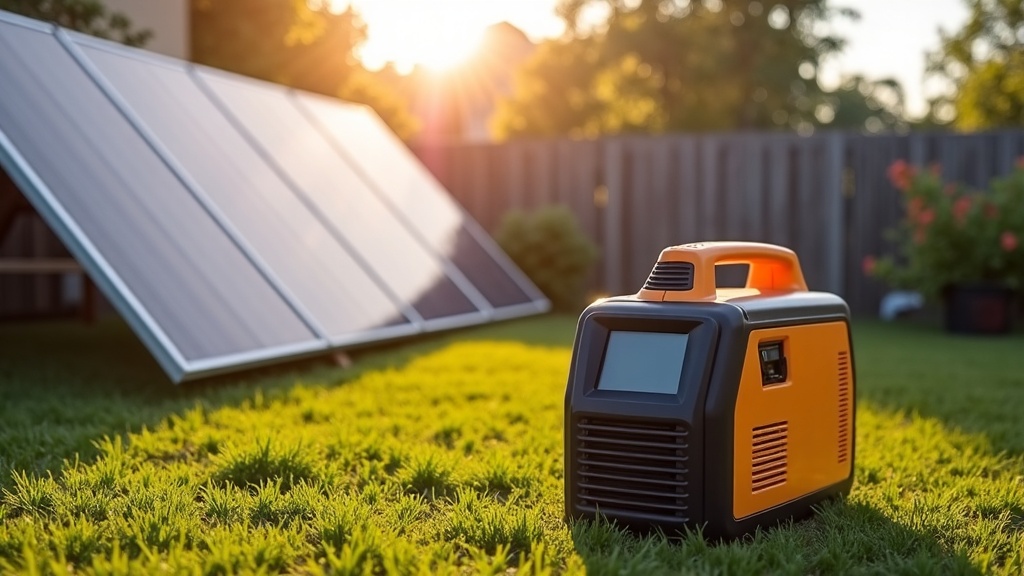
A portable power station is the single most impactful preparedness upgrade for most households. These are battery systems with AC outlets, USB ports, and DC outputs — essentially a giant battery pack you can plug regular appliances into.
For running a mini-fridge, phone charging, a fan, and basic lighting, a 500-1000Wh station works well. For powering a full-size refrigerator (draws 100-200W running, 800-1500W starting surge), you need at least 1000Wh and an inverter rated for the startup surge.
The Jackery Explorer 1000 is a popular, reliable choice for this category — 1002Wh capacity, 1000W continuous output, multiple outlets. It’s rechargeable from wall, car, or solar panels. For larger capacity with expandability, the EcoFlow DELTA Pro (3600Wh) can power more critical loads for longer periods and connect to select home circuits with an optional transfer switch kit.
Tier 3: Whole-Home Backup Power
For comprehensive protection, you have two options:
Standby generators connect to your gas line (natural gas or propane) and start automatically when the grid goes down. They can run indefinitely as long as fuel flows, which makes them superior to batteries for extended outages. Whole-home natural gas generators sized for essential loads (10-22kW) run $3,000-8,000 for the unit plus $2,000-5,000 for installation. A reliable whole home generator is a long-term investment in property resilience.
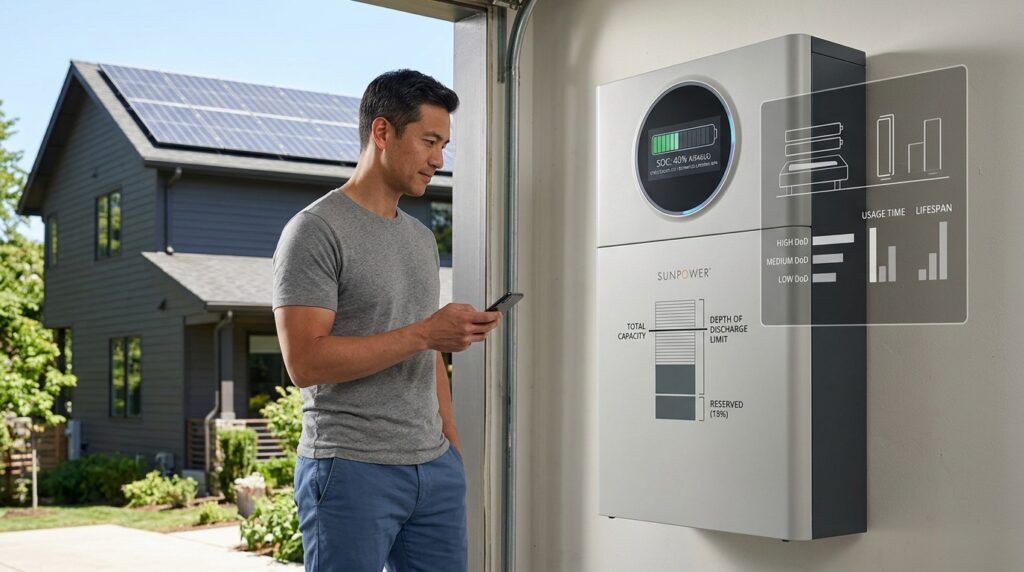
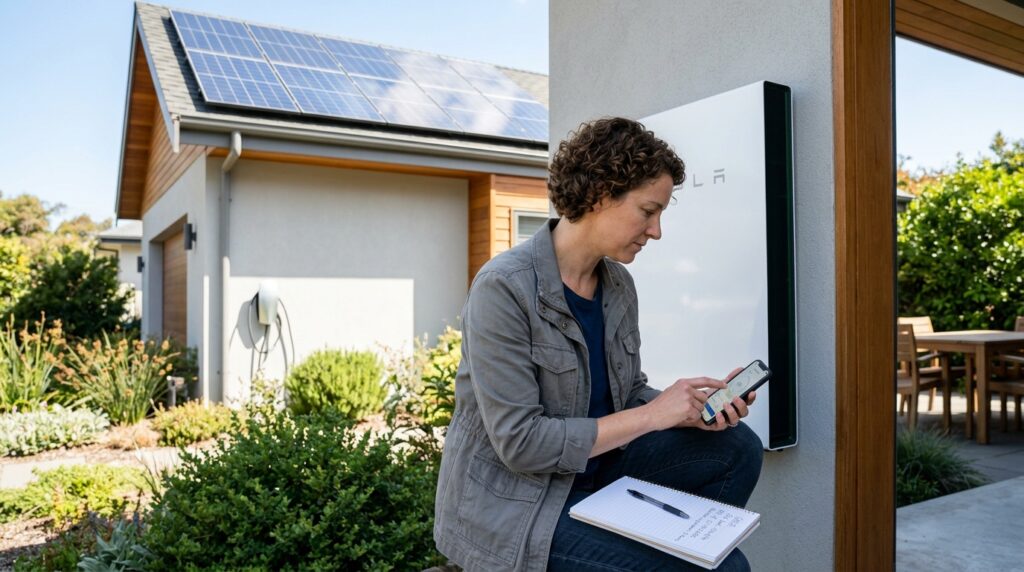
Home battery storage (Tesla Powerwall, Enphase IQ, Franklin WH) provides silent, instant, maintenance-free backup but is limited by storage capacity. Better for frequent shorter outages; less ideal for multi-day events without solar charging.
Many serious preparedness setups combine both: solar plus battery for day-to-day resilience and shorter outages, with a generator as the backup for extended events.
The Maintenance Checklist
Preparedness equipment needs regular attention:
✓ Test generator monthly (run it for 20-30 minutes under load)
✓ Change generator oil per manufacturer schedule (every 100 hours or annually)
✓ Keep portable power stations at 30-80% charge when stored (not 100% long-term)
✓ Replace emergency food and water annually
✓ Test smoke and carbon monoxide detectors monthly
✓ Have generator and battery systems professionally inspected every 2-3 years
Your Action Step
Start with Tier 1 this week — it costs under $100 and takes 30 minutes. Then evaluate your specific risk profile: how often does your area lose power, for how long, and what’s the consequence for your household? Let those answers guide whether Tier 2 or Tier 3 makes sense. Don’t buy equipment you don’t need, but don’t skip the basics because preparedness feels excessive — everyone who survived multi-day outages wishes they’d prepared sooner.
Sources, uncertainty, safety, and affiliate disclosure
Check named sources for their publication date, geography, exact product, utility, and jurisdiction. Product specifications and programs change. Estimates are not guarantees. Electrical work, service upgrades, storage systems, transfer equipment, interconnection, and code compliance should be reviewed by the serving utility and a qualified electrician or installer as appropriate.
Some links may be affiliate links. SunBacked may earn a commission at no added cost to you; that does not determine editorial conclusions.