
Editorial quick answer
Ground Mount vs Roof Solar: Which Is Better?
Most people default to assuming solar panels go on the roof. But when I was designing my system , my installer brought up ground-mounted solar as an option — and it made me realize I hadn’t...
Who this is for
Homeowners using this topic to compare choices, identify tradeoffs, or prepare better questions.
What this cannot promise
A guaranteed bill reduction, output, runtime, incentive, code approval, interconnection result, or project-specific electrical design.
Assumptions, date, and local checks
Costs and performance depend on location, date, model, configuration, weather, tariffs, utility rules, program funding, installation details, and household loads. Incentive, net-metering, code, battery-sizing, and electrical statements require current jurisdiction and source checks. Confirm project-specific details with the serving utility, program administrator, manufacturer, and a qualified electrician or installer.
How evidence is labeled
Mike context
Limited to his 20 years as an electrician, going solar in 2019, and having no installer ties.
Manufacturer specification
Maker-published data for an identified model or version, not an independent measurement.
Public source
Utility, government, program, code, standards, or other dated public information.
Estimate
Math based on stated inputs and assumptions, not a quote or guarantee.
Editorial analysis
SunBacked’s synthesis of tradeoffs, separated from sourced facts.
The shortest answer: roof solar is still the default value play, but ground mount can absolutely win when your roof is shaded, aging, cramped, or awkwardly oriented.
Most people default to assuming solar panels go on the roof. But when I was designing my system, my installer brought up ground-mounted solar as an option — and it made me realize I hadn’t considered the alternatives. The ground-mount vs. roof solar decision has real implications for system performance, installation cost, and long-term maintenance. Here’s how to think through it.
Quick decision filter for ground mount vs roof solar
- Lean roof solar if your roof is newer, unshaded, and already well oriented.
- Lean ground mount if your roof is compromised but you have open land with good sun.
- Run both quotes if production gain could offset the extra installation cost over time.
Compare this with our pages on solar panel brands, full system cost, and cost per watt before assuming the mounting style is a minor detail.
When Roof Solar Makes Sense
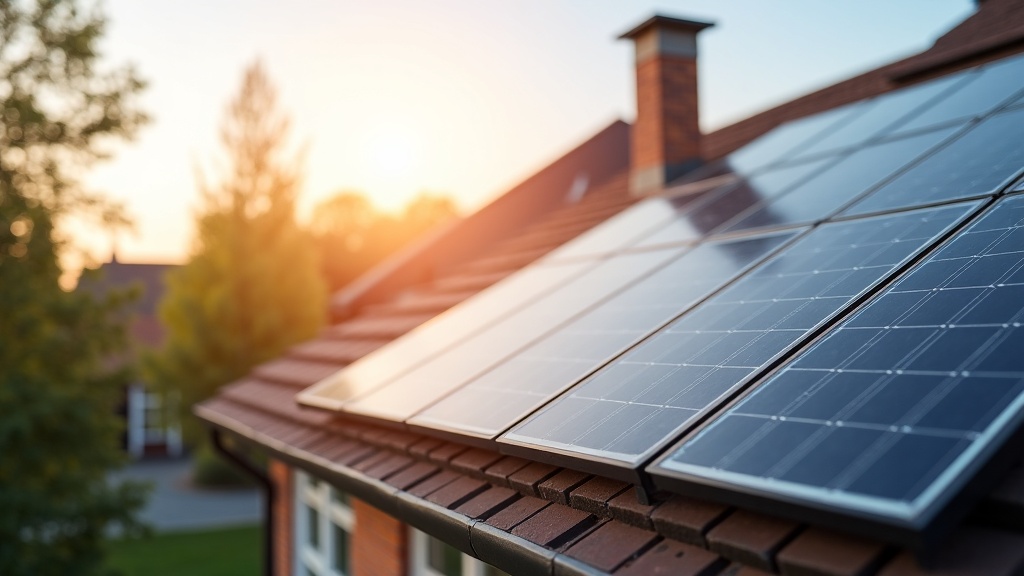
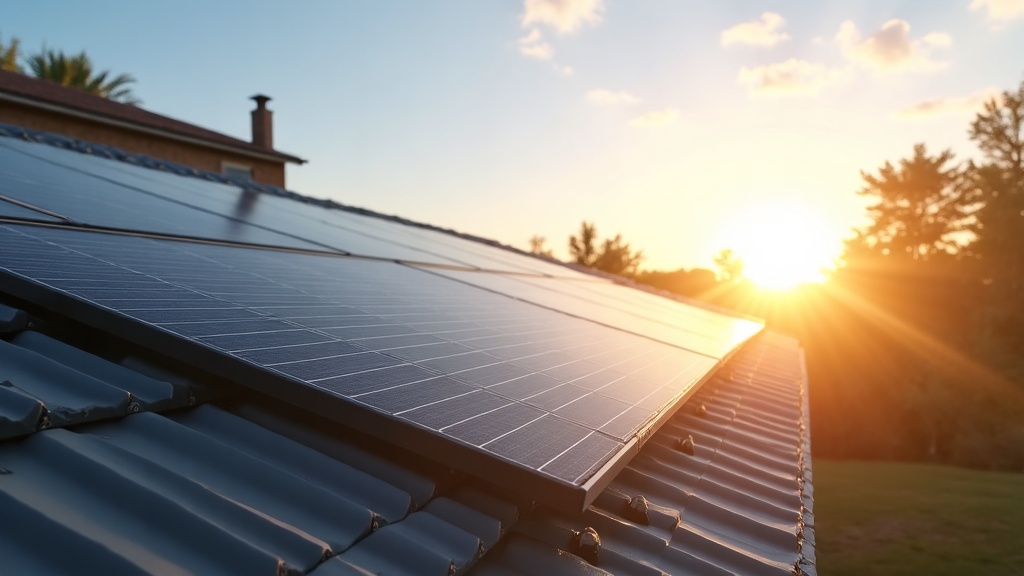
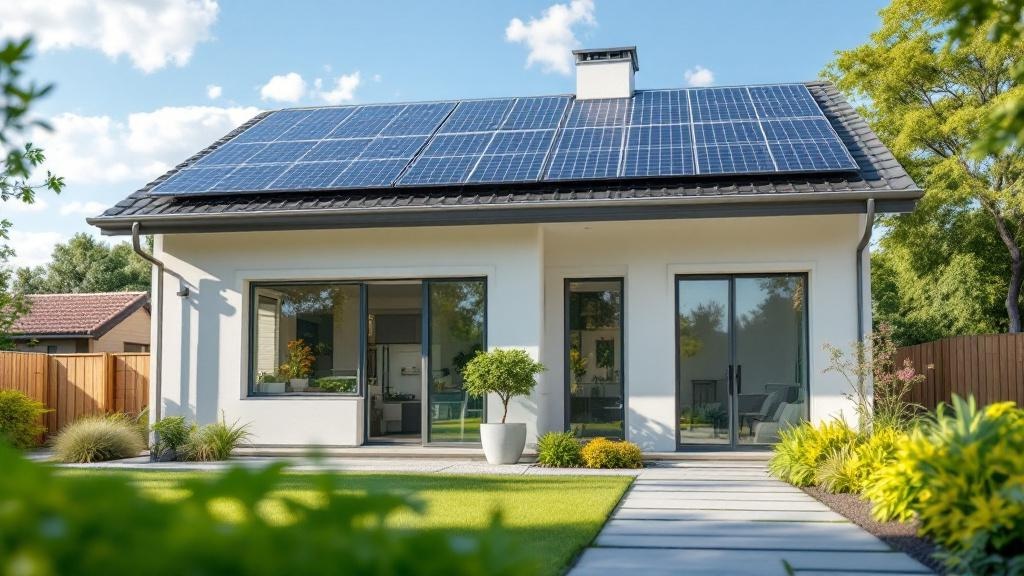
Roof-mounted solar is the default for good reasons. It uses existing structure (no additional land required), keeps the system out of reach for vandalism or accidental damage, and generally has lower installation costs because it doesn’t require a separate foundation or racking system anchored to the ground.
Roof solar is the right choice when: your roof has good solar exposure (south, southwest, or west-facing in the Northern Hemisphere), has 10+ years of useful life remaining, has sufficient unshaded area, and has a pitch between 15-40° (steeper roofs work but are harder to install on).
The calculation is simpler on newer homes. If you’re putting solar on a 5-year-old roof, you’ll likely get 20+ years of panels before needing a reroofing. If your roof is 15+ years old, you should seriously consider replacing it before or with solar installation — removing and reinstalling panels for a roof replacement adds $2,000-5,000 to roofing costs.
When Ground Mount Is Worth Considering
Ground-mount systems make sense when your roof isn’t ideal but you have available land. Common scenarios:
Poor roof orientation or heavy shading. If your best roof faces east-west or has trees that shade it significantly in the afternoon, a ground mount in a better-situated part of your yard can dramatically outperform what rooftop solar would produce.
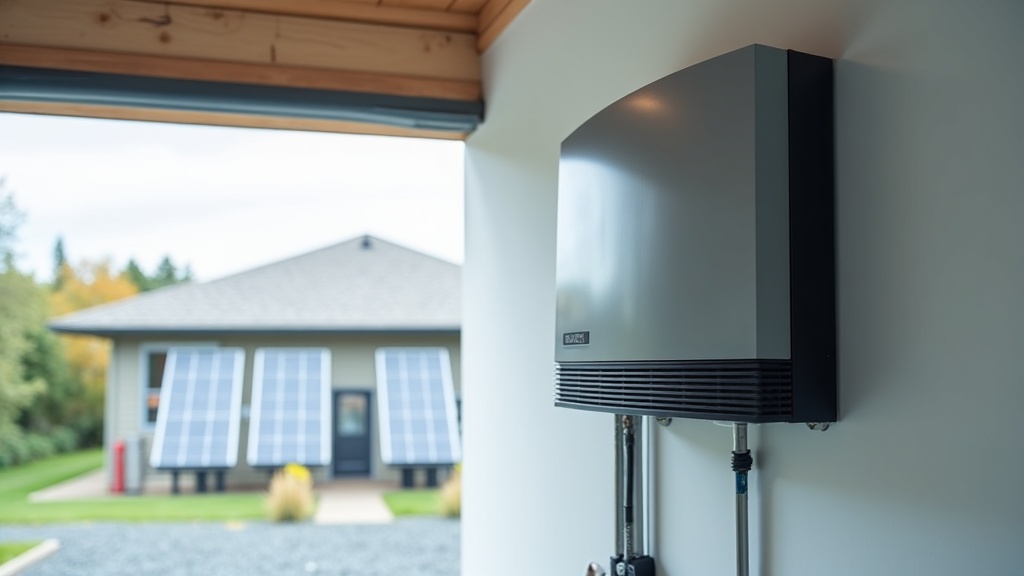
Flat or very low-pitch roofs. Flat roofs require special ballasted racking that adds cost and potential for pooling water. Ground mounts can be tilted to the optimal angle regardless of terrain.
Complex rooflines. Roofs with multiple hips, valleys, dormers, or skylights have less usable area and more complicated installation. A ground mount can use a simpler, larger array.
Future expansion plans. If you might add an EV, a pool, or other high-consumption loads later, a ground mount can often be expanded more easily than a roof system.
Common mounting-choice mistakes
- Treating the roof as free real estate: reroof timing and shading can change the math fast.
- Ignoring maintenance access: easier panel access can matter a lot over a 25-year ownership window.
- Comparing only installed price: production quality and long-term serviceability belong in the same calculation.
- Forgetting property constraints: setbacks, trenching, aesthetics, and HOA realities can kill a ground-mount plan late.
The Real Cost Differences
Ground-mount systems typically cost 10-25% more than equivalent roof systems due to additional materials (concrete footings or driven posts, longer wire runs to the house, more robust racking) and labor.
However, the better performance from optimal orientation and easier cleaning can offset this. A ground-mount system angled at the exact optimal tilt for your latitude and facing due south can produce 5-15% more electricity than the same panels on a slightly suboptimal roof — over 25 years, that difference is significant.
Permitting for ground mounts is sometimes more complex — structural calculations for the foundation, potential setback requirements from property lines. Ask your installer about your specific jurisdiction’s requirements.
Tracking Systems: Is the Extra Cost Worth It?
Ground mounts open up the possibility of single-axis or dual-axis tracking systems, which physically follow the sun to maximize exposure. Single-axis trackers (which rotate east-west through the day) can increase production by 25-35%. Dual-axis trackers (which also adjust for seasonal angle) can increase production by 35-45%.
The reality for most residential situations: the cost of trackers ($3,000-8,000+ for residential scale) plus maintenance (moving parts require upkeep) rarely makes financial sense compared to simply installing more fixed panels. Commercial and utility-scale solar uses tracking extensively; residential is usually better served by more panels at a fixed optimal angle.
For backup power independence at home, I pair my system with an EcoFlow DELTA for portable backup and have a whole-home whole home generator as a secondary backup — both complement whatever solar configuration you choose.
FAQ: Ground mount vs roof solar
Is ground-mount solar always more expensive?
Usually yes up front, but not always worse long term. If the roof option is materially shaded or misaligned, better production can offset part of the premium.
When is roof solar the obvious winner?
When the roof is newer, unshaded, structurally sound, and already well positioned for solar. That is still the most straightforward path for most homes.
When should I seriously consider ground mount?
When your roof is old, chopped up, shaded, or too small for the system you want. Open land can create a much cleaner design if the site allows it.
What should I compare this page against?
Pressure-test the choice against full system cost, cost per watt, and solar panel brands.
Related reads
Your Action Step
When getting solar quotes, ask each installer to evaluate both roof and ground-mount options for your property. Request a production estimate for each option so you can compare annual kWh output. Then divide the system cost by annual kWh production to get a cost-per-kWh comparison. The option with the lower ratio (accounting for any price difference) is likely the better financial choice for your specific property.
Sources, uncertainty, safety, and affiliate disclosure
Check named sources for their publication date, geography, exact product, utility, and jurisdiction. Product specifications and programs change. Estimates are not guarantees. Electrical work, service upgrades, storage systems, transfer equipment, interconnection, and code compliance should be reviewed by the serving utility and a qualified electrician or installer as appropriate.
Some links may be affiliate links. SunBacked may earn a commission at no added cost to you; that does not determine editorial conclusions.