
Editorial quick answer
Home Battery Backup for Power Outages: What You Actually Need
Home Battery Backup for Power Outages: What You Actually Need After two decades wiring homes and five years running my own solar setup, I can tell you this: most people either overbuild their battery backup system or buy something that won’t even keep the fridge running. Here’s how to figure out what you actually need […]
Who this is for
Homeowners using this topic to compare choices, identify tradeoffs, or prepare better questions.
What this cannot promise
A guaranteed bill reduction, output, runtime, incentive, code approval, interconnection result, or project-specific electrical design.
Assumptions, date, and local checks
Costs and performance depend on location, date, model, configuration, weather, tariffs, utility rules, program funding, installation details, and household loads. Incentive, net-metering, code, battery-sizing, and electrical statements require current jurisdiction and source checks. Confirm project-specific details with the serving utility, program administrator, manufacturer, and a qualified electrician or installer.
How evidence is labeled
Mike context
Limited to his 20 years as an electrician, going solar in 2019, and having no installer ties.
Manufacturer specification
Maker-published data for an identified model or version, not an independent measurement.
Public source
Utility, government, program, code, standards, or other dated public information.
Estimate
Math based on stated inputs and assumptions, not a quote or guarantee.
Editorial analysis
SunBacked’s synthesis of tradeoffs, separated from sourced facts.
Home Battery Backup for Power Outages: What You Actually Need
After two decades wiring homes and five years running my own solar setup, I can tell you this: most people either overbuild their battery backup system or buy something that won’t even keep the fridge running. Here’s how to figure out what you actually need without getting sold a system that’s twice the size and cost you require.
The right battery backup system isn’t about powering your entire house indefinitely—it’s about keeping critical loads running long enough to either weather a typical outage or get your backup generator started. Let me walk you through the real numbers.
Understanding Home Battery Backup Basics
A home battery backup system stores electricity so you can use it when the grid goes down. These systems come in two main flavors: standalone battery banks (usually portable power stations for small loads) and whole-home systems that integrate with your electrical panel.
The key specs you need to understand:
- Capacity (kWh): Total energy storage, like the size of your gas tank
- Power Output (kW): How much electricity it can deliver at once, like your engine’s horsepower
- Surge Rating: Brief power spikes it can handle (critical for motors and compressors)
- Continuous Runtime: How long it’ll actually power your loads
I’ve seen people buy a 5kWh battery thinking it’ll run their whole house for days. Then they find out it’s dead in 3 hours because they’re pulling 1.5kW continuously. Do the math first.
Sizing Your Battery Backup: Start With Critical Loads
Forget about powering everything. Start by listing what you absolutely need during an outage. Here’s what most of my clients prioritize:
| Appliance | Running Watts | Daily kWh (Est.) | Priority Level |
|---|---|---|---|
| Refrigerator | 150-400W | 1.5-3 kWh | Critical |
| Freezer | 100-300W | 1-2 kWh | Critical |
| Sump Pump | 800-1500W | 0.5-2 kWh (varies) | Critical (flood risk) |
| WiFi/Router | 20-50W | 0.3 kWh | High |
| Lights (LED) | 50-100W | 0.4 kWh | High |
| Well Pump | 1000-2000W | 1-3 kWh | Critical (rural) |
| Furnace Blower | 600-900W | 4-8 kWh (winter) | Seasonal Critical |
| Window AC Unit | 500-1500W | 6-12 kWh | Seasonal High |
Add up your critical loads. If you’re running a fridge (200W average), freezer (150W), WiFi (30W), and some lights (60W), that’s about 440W continuous draw, or roughly 10.5 kWh per day. A 10kWh battery gets you through one day—barely.
Real-World Example: My Own System
I run a 13.5kWh battery backup (Tesla Powerwall equivalent) paired with solar panels. My critical loads pull about 600W average. That gives me roughly 22 hours of backup without solar input. When the sun’s up, my panels recharge the battery and I can ride out multi-day outages indefinitely. Without solar? I’d be rationing power by day two.
Types of Home Battery Backup Systems
Portable Power Stations (500Wh – 3kWh)
These are portable lithium battery units you can move around. Good for small loads or as a starter solution.
Pros: No installation required, portable, relatively affordable ($400-$3,000)
Cons: Limited capacity, won’t power hardwired appliances, no automatic transfer
Best for: Keeping phones charged, running a mini-fridge, powering medical equipment, or camping backup
Home Battery Systems (5kWh – 20kWh+)
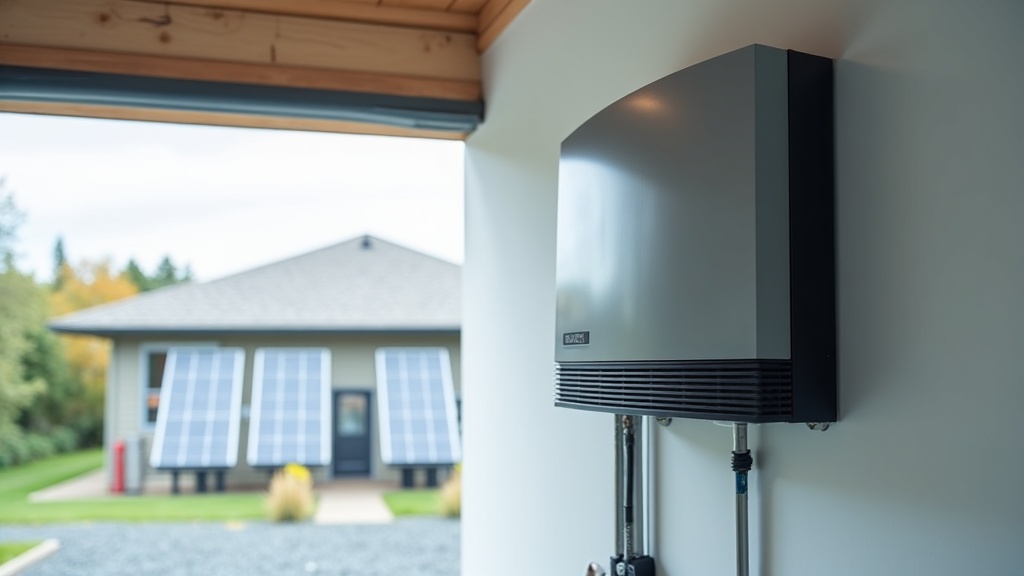
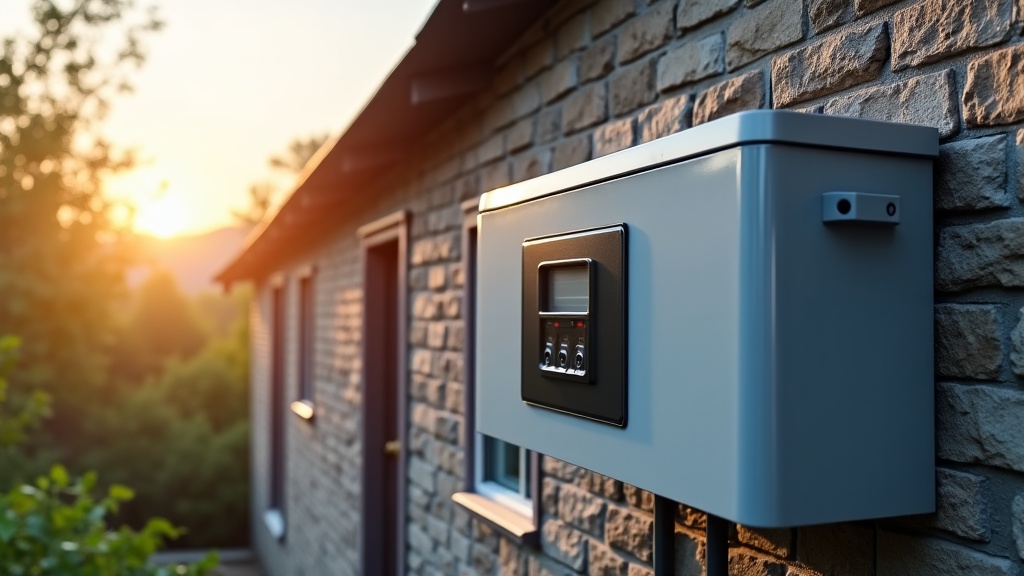
These are wall-mounted or floor-standing units that integrate with your main electrical panel. Think LiFePO4 battery banks or commercial products like Tesla Powerwall, LG Chem, or Enphase.
Pros: Automatic transfer, powers whole circuits, scalable, integrates with solar
Cons: Expensive ($8,000-$20,000+ installed), requires professional installation, permit requirements
Best for: Whole-home backup, solar integration, frequent or extended outages
DIY Battery Banks
Building your own system with individual LiFePO4 batteries, an inverter, and a charge controller. I’ve built three of these.
Pros: Most affordable (50-60% cost savings), customizable, repairable
Cons: Requires electrical knowledge, no warranty coverage, code compliance issues, time-intensive
Best for: Experienced DIYers, off-grid applications, workshop/outbuilding backup
Battery Chemistry Matters
Not all batteries are created equal. Here’s what I recommend:
LiFePO4 (Lithium Iron Phosphate): This is what I use. Safer than standard lithium-ion, longer lifespan (3,000-5,000 cycles), better temperature tolerance. Costs more upfront but lasts twice as long. If you’re buying batteries for a DIY system, get LiFePO4.
NMC Lithium-Ion: Used in Tesla Powerwall and similar systems. Higher energy density, slightly cheaper, but more fire risk and shorter lifespan (1,500-3,000 cycles). Fine for commercial products with proper battery management systems.
Lead-Acid: Don’t bother unless you’re on an extreme budget. Heavy, inefficient (50% usable capacity), short lifespan (500-1,000 cycles), maintenance headaches. I stopped installing these in 2017.
Installation and Electrical Considerations
Here’s where most DIY plans fall apart. A proper battery backup installation requires:
Automatic Transfer Switch (ATS)
This switches your home from grid power to battery power automatically. You need one unless you’re manually plugging appliances into a portable unit. Professional installation required—don’t mess with your main panel unless you’re licensed.
Backed-Up vs. Non-Backed-Up Circuits
You’ll split your electrical panel into two sections: backed-up loads (fridge, furnace, critical circuits) and non-backed-up (AC, electric dryer, water heater). This keeps you from accidentally draining your battery running a space heater.
Expect to pay an electrician $800-$2,000 for panel modifications and ATS installation, depending on complexity.
Permits and Code Compliance
Energy storage systems over 1kWh typically require permits. Your local jurisdiction may require:
- Electrical permit and inspection
- Structural approval (for wall-mounted units)
- Fire marshal review (depending on battery size and location)
- Utility interconnection agreement (if grid-tied)
Budget 2-6 weeks for permitting. Don’t skip this—insurance won’t cover a fire from an unpermitted installation.
Solar Integration: The Game-Changer
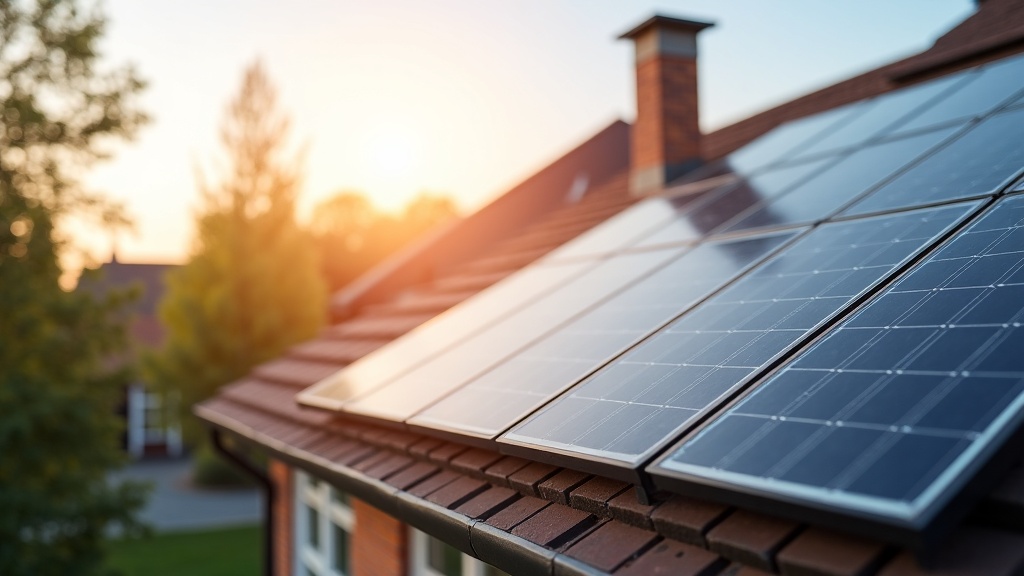
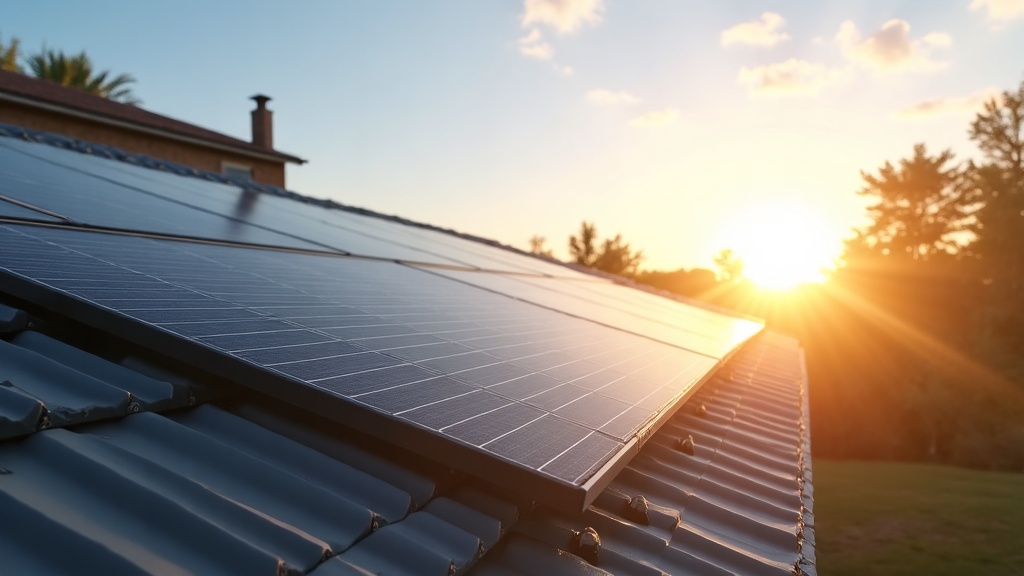
A battery alone is a gas tank with no gas station. Pair it with solar and you’ve got indefinite backup during daylight hours.
My typical recommendation: 5kW of solar panels with a 10kWh battery. The panels recharge the battery during the day while also powering your loads. Any excess goes back to the grid (net metering) or charges the battery to full.
This setup costs $18,000-$25,000 installed but qualifies for the federal solar tax credit (30% as of 2026). Your effective cost drops to $12,600-$17,500. In areas with frequent outages or high electricity rates, payback is 6-10 years.
Cost Breakdown: What to Expect
Here’s real pricing from my area (Midwest, 2026):
Portable Power Station (1-2kWh): $800-$2,500
Home Battery System (10-13kWh, installed): $10,000-$18,000
DIY Battery Bank (10kWh): $4,000-$6,000 (batteries + components, no labor)
Solar + Battery Package (5kW + 10kWh): $18,000-$28,000
Add $1,500-$3,000 for electrical panel upgrades if your service is older than 20 years.
What I Actually Recommend
For most homeowners facing 1-2 outages per year lasting 4-12 hours: Start with a 2000Wh portable power station ($1,200-$1,800). Keep your fridge cold, charge phones, run a lamp. Pair it with a small portable solar panel for extended outages.
If you’re in an area with frequent outages (3+ per year, multi-day events): Invest in a 10kWh+ home battery system with solar. The upfront cost is steep but you’ll actually use the system enough to justify it.
If you’re rural with well water or have medical equipment needs: Don’t compromise. Get a properly sized home battery system (13-20kWh) with solar or a dual-fuel generator as backup. Your critical loads aren’t optional.
Maintenance and Lifespan
LiFePO4 batteries need almost zero maintenance. Check connections annually, keep them in a temperature-controlled space (40-80°F is ideal), and monitor charge cycles through the app or controller.
Expect 10-15 years from a quality lithium system. The inverter usually dies first (8-12 years), which is a $1,500-$3,000 replacement. Budget for this.
Keep your battery between 20-80% charge when possible. Full discharge cycles wear out batteries faster. Most modern systems handle this automatically.
Common Mistakes I See
Oversizing: You don’t need to power your whole house. Size for critical loads only.
Ignoring surge requirements: That well pump draws 1,200W running but needs 3,600W to start. Make sure your inverter can handle surge loads.
Skipping solar: A battery without solar is a one-time emergency fund. With solar, it’s a renewable backup system.
Going too cheap: I’ve seen $3,000 “whole home backup systems” from sketchy vendors. They last 18 months. Buy quality or buy twice.
DIY without knowledge: If you don’t know what a busbar is or how to size wire gauge, hire an electrician. Your homeowner’s insurance won’t cover DIY electrical fires.
Frequently Asked Questions
How long will a 10kWh battery power my home during an outage?
It depends entirely on your load. If you’re pulling 1kW average (just critical circuits), you’ll get roughly 10 hours. Pull 500W and you get 20 hours. Track your usage with a power meter to know for sure. Most homes running fridge, freezer, WiFi, and minimal lighting pull 400-800W, giving you 12-24 hours from a 10kWh battery.
Can I install a home battery backup system myself?
Legally, it depends on your jurisdiction. Practically, only if you’re a electrician or highly experienced with electrical systems. The battery bank itself? Sure, you can wire that. But integrating it with your main panel, installing an automatic transfer switch, and ensuring code compliance requires professional skills. Most insurance policies void coverage for DIY electrical work on main panels. I’ve installed dozens of these—it’s not a weekend warrior project.
Do I need solar panels with a battery backup system?
No, but you should seriously consider it. Without solar, your battery is a one-shot emergency fund—once it’s drained, you’re waiting for grid power to return. With solar, the panels recharge the battery during the day, giving you indefinite backup during sunny weather. I’ve ridden out 5-day outages comfortably with solar+battery. Battery-only would’ve lasted 18 hours.
What size battery backup do I need for a sump pump?
A typical sump pump draws 800-1,500W while running but only runs intermittently. During heavy rain, expect 15-30 minutes of runtime per hour. That’s roughly 300-750Wh per hour of storm activity. A 2-3kWh battery handles a sump pump for 6-8 hours of heavy use. If you’re in a high water table area, size up to 5kWh minimum or pair with a backup generator.
Are battery backup systems worth the cost compared to a generator?
Different tools for different jobs. A 10kW standby generator costs $5,000-$8,000 installed and needs maintenance, fuel, and eventual replacement ($1,000+ every 10 years). A 10kWh battery system costs $12,000-$15,000 installed, needs zero maintenance, and lasts 10-15 years. Generators provide unlimited runtime if you have fuel. Batteries provide silent, instant backup but finite runtime without solar. I recommend batteries for most suburban homes with infrequent outages, generators for rural properties or areas with multi-day outages where refueling is easy.
Sources, uncertainty, safety, and affiliate disclosure
Check named sources for their publication date, geography, exact product, utility, and jurisdiction. Product specifications and programs change. Estimates are not guarantees. Electrical work, service upgrades, storage systems, transfer equipment, interconnection, and code compliance should be reviewed by the serving utility and a qualified electrician or installer as appropriate.
Some links may be affiliate links. SunBacked may earn a commission at no added cost to you; that does not determine editorial conclusions.