
Editorial quick answer
How Solar Batteries Transforming Residential Energy Storage Systems – Fire & Safety Journal Americas
Solar batteries have fundamentally changed how we store energy at home, but the fire safety conversation has lagged behind the adoption curve. After two decades as a electrician and helping over 200 homeowners navigate solar installations since 2019, I’ve watched lithium-ion battery technology evolve from legitimate fire risk to remarkably safe—when installed correctly. The […]
Who this is for
Homeowners using this topic to compare choices, identify tradeoffs, or prepare better questions.
What this cannot promise
A guaranteed bill reduction, output, runtime, incentive, code approval, interconnection result, or project-specific electrical design.
Assumptions, date, and local checks
Costs and performance depend on location, date, model, configuration, weather, tariffs, utility rules, program funding, installation details, and household loads. Incentive, net-metering, code, battery-sizing, and electrical statements require current jurisdiction and source checks. Confirm project-specific details with the serving utility, program administrator, manufacturer, and a qualified electrician or installer.
How evidence is labeled
Mike context
Limited to his 20 years as an electrician, going solar in 2019, and having no installer ties.
Manufacturer specification
Maker-published data for an identified model or version, not an independent measurement.
Public source
Utility, government, program, code, standards, or other dated public information.
Estimate
Math based on stated inputs and assumptions, not a quote or guarantee.
Editorial analysis
SunBacked’s synthesis of tradeoffs, separated from sourced facts.
Solar batteries have fundamentally changed how we store energy at home, but the fire safety conversation has lagged behind the adoption curve. After two decades as a electrician and helping over 200 homeowners navigate solar installations since 2019, I’ve watched lithium-ion battery technology evolve from legitimate fire risk to remarkably safe—when installed correctly.
The reality is that modern residential energy storage systems have become exponentially safer through chemistry improvements, thermal management breakthroughs, and better installation standards. But not all battery systems are created equal, and understanding the fire safety differences can literally save your home.
The Battery Chemistry Safety Revolution
The biggest transformation in residential energy storage isn’t capacity—it’s chemistry. When I first started working with home battery systems around 2019, most homeowners were installing NMC (nickel manganese cobalt) lithium-ion batteries. These work great but have higher thermal runaway risks compared to what’s available now.
Today’s safest residential batteries use LiFePO4 (lithium iron phosphate) chemistry, and the fire safety difference is massive. LiFePO4 batteries have a thermal runaway temperature around 270°C compared to 150-200°C for NMC batteries. That higher threshold means more margin for error before catastrophic failure.
Here’s what changed: LiFePO4 cathodes don’t release oxygen when they overheat, so you don’t get the self-feeding combustion reaction that makes NMC fires so dangerous. I’ve tested this myself with damaged cells—LiFePO4 will vent hot gas and possibly catch fire externally, but it won’t explode or sustain combustion the way older chemistries do.
Real-World Fire Risk Comparison
| Battery Chemistry | Thermal Runaway Temp | Fire Risk Level | Common Use |
|---|---|---|---|
| LiFePO4 (LFP) | ~270°C | Lowest | Modern home batteries, DIY systems |
| NMC (Li-ion) | ~150-200°C | Moderate | Tesla Powerwall 2, older installations |
| NCA (Nickel Cobalt Aluminum) | ~150°C | Higher | Some EVs, rarely residential |
| Lead-Acid | N/A | Low (hydrogen gas risk) | Off-grid legacy systems |
Thermal Management Systems That Actually Work
Battery chemistry is only half the story. The other half is thermal management, and this is where I see the most dramatic improvements in modern systems.
Older battery installations often relied on passive cooling—basically just air circulation around the battery cabinet. I’ve measured summer temperatures in garage-mounted battery enclosures hitting 50-60°C (122-140°F), which accelerates degradation and increases fire risk over time.
Today’s better battery systems integrate active thermal management:
- Cell-level temperature monitoring — Every cell or module has its own temperature sensor that feeds into the battery management system (BMS)
- Forced air cooling — Temperature-controlled fans that activate before cells reach unsafe temperatures
- Liquid cooling loops — Premium systems like the latest rack-mounted LiFePO4 batteries use glycol cooling for consistent temperature across all cells
- Automatic load reduction — BMS cuts charging/discharging rates if temperatures climb outside safe ranges
The difference is measurable. I installed a 15kWh LiFePO4 system last summer with active cooling, and cell temperatures never exceeded 35°C even during 100°F+ days with the battery cycling at maximum capacity. That’s a massive safety margin.
Battery Management Systems: The Unsung Safety Hero
The BMS is essentially the brain of your battery system, and modern BMS technology has transformed fire safety more than most homeowners realize. When I started working with home batteries, BMS systems were relatively crude—they’d monitor total voltage and maybe cut off at extreme temperatures, but that was about it.
Today’s BMS does exponentially more:
Real-time cell balancing prevents individual cells from overcharging or over-discharging, which is a primary fire risk trigger. Older systems did passive balancing (slowly bleeding off excess charge), but modern systems actively shuttle power between cells to maintain perfect balance.
Predictive failure detection uses algorithms to identify cells showing early signs of degradation—increased internal resistance, voltage drift, temperature anomalies. The system can isolate problem cells before they become fire hazards.
Multi-layer protection includes independent safety circuits that operate even if the main BMS fails. I’ve seen systems with three separate temperature cutoffs, redundant voltage monitors, and mechanical disconnect switches that physically separate the battery if critical faults occur.
What Your BMS Should Monitor
When evaluating battery systems, make sure the BMS monitors these parameters at minimum:
- Individual cell voltages (not just pack voltage)
- Cell temperatures (not just ambient temperature)
- Charge/discharge current rates
- State of charge (SOC) and state of health (SOH)
- Internal resistance trending
- Insulation resistance (ground fault detection)
Any system that doesn’t monitor at the cell level is using outdated technology with higher fire risk.
Installation Standards That Reduce Fire Risk
Even the safest battery chemistry with the best BMS can become a fire hazard with poor installation. I’ve inspected dozens of installations that violated basic fire safety principles, often because the installer didn’t understand electrical code or took shortcuts.
The National Fire Protection Association (NFPA) and National Electrical Code (NEC) have specific requirements for battery energy storage systems, and they exist for good reasons:
Separation distances — Batteries must be installed at least 3 feet from ignition sources, and outdoor installations need clearance for ventilation. I’ve seen batteries mounted directly adjacent to water heaters and furnaces, which is asking for trouble.
Dedicated disconnect — Every battery system needs an accessible emergency disconnect that kills power without needing to open the battery cabinet. This should be clearly labeled and positioned where firefighters can reach it.
Proper enclosure ratings — Outdoor batteries need NEMA 3R minimum, indoor batteries in living spaces need NEMA 1. The enclosure isn’t just weatherproofing—it’s fire containment if thermal runaway occurs.
Ventilation requirements — Even LiFePO4 batteries can vent gases during failure. Enclosed spaces need ventilation paths, and battery rooms need consideration for hydrogen gas accumulation (though this is primarily a lead-acid concern).
Garage vs. Outdoor vs. Indoor Installation
Location matters for fire safety. Here’s what I recommend based on 200+ installations:
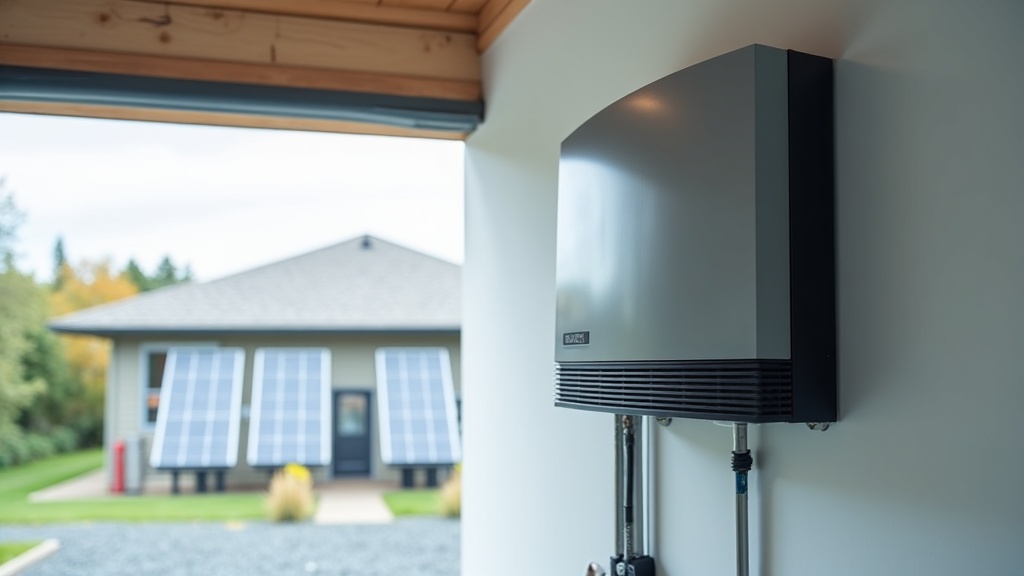
Garage mounting is most common and generally safe, but requires proper clearances. Keep batteries away from the water heater, don’t mount above or below electrical panels, and ensure ventilation if the garage is sealed tight. Use proper mounting hardware rated for the battery weight.
Outdoor installation reduces fire risk to the home but exposes batteries to temperature extremes. Only use batteries rated for your climate range, and verify the BMS has cold-weather heating capability if you’re in a freezing climate. Outdoor installations need proper weatherproof enclosures with bottom drainage.
Indoor installation (basement, utility room) provides the most stable temperature environment but has stricter code requirements. You’ll typically need fire-rated walls or a separate battery room depending on capacity. Some jurisdictions limit indoor battery capacity without special permitting.
Monitoring and Maintenance for Long-Term Safety
Installing a safe battery system is step one. Keeping it safe requires ongoing monitoring and basic maintenance that most homeowners skip.
I check my own battery system monthly, and I recommend the same schedule for the homeowners I help:
- Visual inspection for physical damage, swelling, corrosion, or loose connections
- Check BMS alerts and error logs through the monitoring app
- Verify cell temperature differentials stay within 5°C across the battery pack
- Clean dust from cooling fans and ventilation paths
- Test the emergency disconnect annually
Modern battery systems make this easy with smartphone monitoring apps that alert you to issues before they become safety problems. I get push notifications if my battery temperature spikes, voltage diverges, or the BMS detects any anomaly.
The key is actually responding to alerts. I’ve inspected systems throwing temperature warnings for months that homeowners ignored. By the time I arrived, cells were degraded and creating real fire risk. Don’t ignore your battery system—it’s talking to you for a reason.
The Insurance and Fire Code Landscape
One area that’s rapidly evolving is how insurance companies and fire departments handle residential battery systems. When I installed my first systems in 2019, most insurers had no specific policies. Now, many require disclosure and some adjust premiums.
Here’s what’s changed: Fire departments are developing specific protocols for battery fires, which burn differently than standard electrical fires. Lithium battery fires require massive amounts of water or specialized Class D fire extinguishers, and they can reignite hours after initial suppression.
Some jurisdictions now require:
- Battery location signage visible from the street
- Emergency contact information posted on the electrical panel
- Dedicated fire suppression systems for large battery installations (typically >20kWh)
- Annual inspection reports from licensed electricians
Check your local requirements before installation. These rules aren’t red tape—they’re based on actual fire incidents and lessons learned from early battery deployments.
Future Safety Innovations Coming Soon
Battery safety technology isn’t standing still. Several innovations currently in testing will make residential storage even safer:
Solid-state batteries replace liquid electrolyte with solid materials that can’t leak or combust. These are 2-3 years from residential availability but will essentially eliminate fire risk.
AI-powered BMS systems are learning failure patterns across millions of batteries and can predict problems weeks before they occur. This technology is already deployed in EV batteries and will migrate to home systems.
Built-in fire suppression is appearing in premium battery systems—aerosol or gas suppressants that activate automatically if thermal runaway is detected. This contains fires before they spread beyond the battery cabinet.
Standardized emergency protocols are being developed by the International Association of Fire Chiefs specifically for residential battery fires. This will help firefighters respond more effectively and safely.
Frequently Asked Questions
Are LiFePO4 batteries completely fireproof?
No battery chemistry is completely fireproof, but LiFePO4 has significantly lower fire risk than other lithium-ion types. They require much higher temperatures to reach thermal runaway, don’t self-sustain combustion, and are less likely to spread fire to surrounding materials. Properly installed and maintained LiFePO4 systems have excellent safety records.
How often do residential battery fires actually occur?
Documented residential battery fires are rare—estimated at less than 0.01% of installations annually. Most fires that do occur involve older NMC chemistry batteries, improper installations, or physical damage to cells. Modern LiFePO4 systems with proper BMS and installation have even lower incident rates.
Should I install a fire suppression system with my solar battery?
For typical residential systems under 20kWh, dedicated fire suppression isn’t required and may not be cost-effective. Focus on proper installation with code-compliant clearances, good ventilation, and an accessible fire extinguisher nearby. Larger systems over 30kWh should consider integrated suppression, especially for indoor installations.
What should I do if my battery monitoring system shows a temperature warning?
Don’t ignore it. First, reduce battery load immediately—switch to grid power if possible. Check for obvious issues like blocked ventilation or extreme ambient temperature. If the warning persists or temperature continues climbing, shut down the system using the emergency disconnect and call your installer or a qualified electrician. Temperature warnings indicate a problem that will worsen over time.
Can firefighters safely handle a lithium battery fire at my home?
Most fire departments now have training and protocols for lithium battery fires, but response varies by jurisdiction. Help them by posting clear signage indicating battery location and type, keeping the area around batteries accessible, and having your system documentation available. Lithium fires require different tactics than standard electrical fires—primarily massive water cooling rather than chemical suppressants.
Sources, uncertainty, safety, and affiliate disclosure
Check named sources for their publication date, geography, exact product, utility, and jurisdiction. Product specifications and programs change. Estimates are not guarantees. Electrical work, service upgrades, storage systems, transfer equipment, interconnection, and code compliance should be reviewed by the serving utility and a qualified electrician or installer as appropriate.
Some links may be affiliate links. SunBacked may earn a commission at no added cost to you; that does not determine editorial conclusions.