

Editorial quick answer
solar roof vs solar panels
Solar Roof vs Solar Panels: Which Actually Makes Sense for Your Home? After two decades wiring houses and helping over 200 homeowners go solar, I’ll give it to you straight: for 95% of people, traditional solar panels beat solar roof tiles on cost, efficiency, and practicality. The exceptions? You’re building new construction, your roof needs […]
Who this is for
Homeowners using this topic to compare choices, identify tradeoffs, or prepare better questions.
What this cannot promise
A guaranteed bill reduction, output, runtime, incentive, code approval, interconnection result, or project-specific electrical design.
Assumptions, date, and local checks
Costs and performance depend on location, date, model, configuration, weather, tariffs, utility rules, program funding, installation details, and household loads. Incentive, net-metering, code, battery-sizing, and electrical statements require current jurisdiction and source checks. Confirm project-specific details with the serving utility, program administrator, manufacturer, and a qualified electrician or installer.
How evidence is labeled
Mike context
Limited to his 20 years as an electrician, going solar in 2019, and having no installer ties.
Manufacturer specification
Maker-published data for an identified model or version, not an independent measurement.
Public source
Utility, government, program, code, standards, or other dated public information.
Estimate
Math based on stated inputs and assumptions, not a quote or guarantee.
Editorial analysis
SunBacked’s synthesis of tradeoffs, separated from sourced facts.
Solar Roof vs Solar Panels: Which Actually Makes Sense for Your Home?
After two decades wiring houses and helping over 200 homeowners go solar, I’ll give it to you straight: for 95% of people, traditional solar panels beat solar roof tiles on cost, efficiency, and practicality. The exceptions? You’re building new construction, your roof needs replacement anyway, or you’ve got an HOA breathing down your neck about aesthetics.
Let me walk you through exactly what you’re getting into with each option, what I’ve seen work in the real world, and how to make the call for your specific situation.
What We’re Actually Comparing
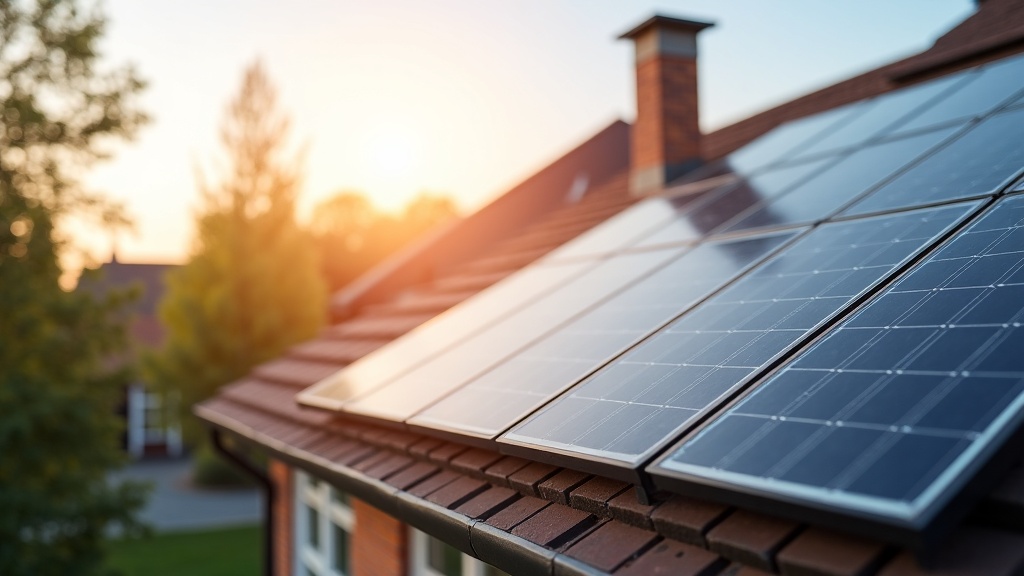
Solar panels are what you picture when you think “solar” — those blue or black rectangular modules mounted on racking above your existing roof. They’ve been the standard residential solar solution for 40+ years.
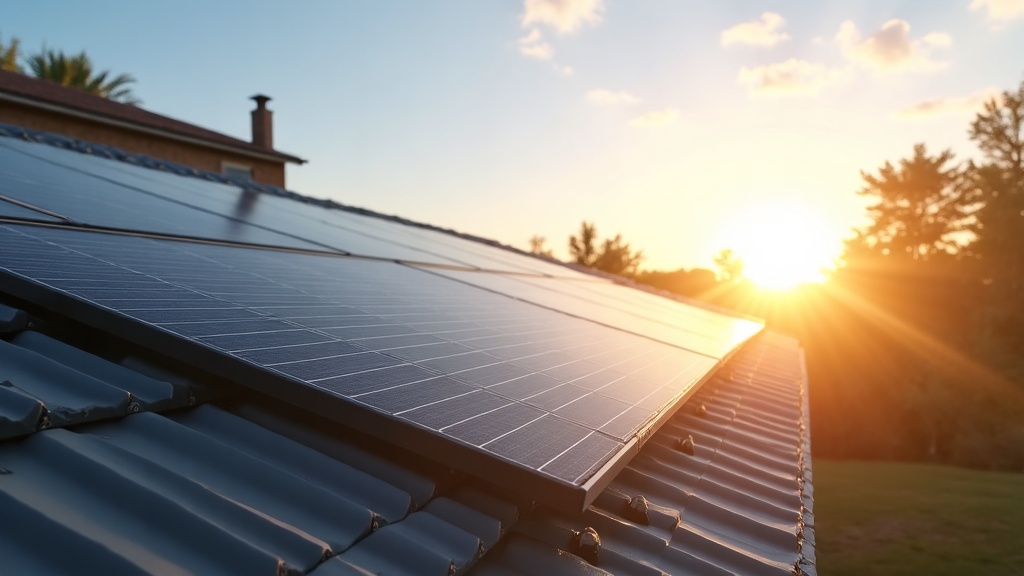
Solar roof tiles (or solar shingles) are building-integrated photovoltaic products that replace your actual roofing material. Tesla Solar Roof is the most recognized brand, but GAF Energy, CertainTeed, and others make similar products. They’re designed to look like regular roof tiles or shingles while generating electricity.
The Core Difference That Changes Everything
With traditional panels, you’re adding a power system on top of your roof. With solar roof tiles, you’re replacing your entire roof with a power-generating roof. That fundamental difference drives every cost, timeline, and complexity issue you’ll face.
The Real Cost Breakdown
Here’s where most marketing material gets fuzzy. Let me give you actual numbers from projects I’ve walked homeowners through in the past 18 months.
Traditional Solar Panels
- System cost: $2.50–$3.50 per watt installed
- Typical 8kW system: $20,000–$28,000 before incentives
- After 30% federal tax credit: $14,000–$19,600
- Installation time: 1–3 days for most residential jobs
Solar Roof Tiles (Tesla Solar Roof as Example)
- System cost: $6.00–$9.00 per watt (includes roof replacement)
- Typical 8kW system: $50,000–$72,000 before incentives
- After 30% federal tax credit: $35,000–$50,400
- Installation time: 5–14 days for most residential jobs
The sticker shock is real. Even after the federal tax credit, you’re looking at 2–3x the cost for solar roof tiles. That said, if your roof needs replacement anyway, the math shifts.
When Your Roof Needs Replacement
A standard asphalt shingle roof replacement runs $8,000–$15,000 for most homes. If you’re replacing your roof regardless, subtract that from the solar roof cost for a fairer comparison:
- Solar roof net cost: $27,000–$35,400 (after subtracting $8,000 roof replacement and applying tax credit)
- Panels on new roof: $22,000–$34,600 (roof replacement + panel system after tax credit)
Suddenly the gap narrows to $5,000–$1,000, which might be worth it if aesthetics matter or you’re in a high-end neighborhood.
Performance and Efficiency: What Actually Generates More Power
Traditional solar panels win this one, no contest. Here’s what I measure in real-world installs:
| Factor | Traditional Panels | Solar Roof Tiles |
|---|---|---|
| Efficiency | 19–23% | 14–18% |
| Watts per sq ft | 15–18 watts | 10–13 watts |
| Roof coverage needed | ~500 sq ft for 8kW | ~650 sq ft for 8kW |
| Tilt optimization | Can use tilt racks | Fixed to roof pitch |
| Heat management | Air gap keeps panels cooler | Direct contact = hotter = less efficient |
The air gap between traditional panels and your roof isn’t just for show — it’s functional. Solar panels lose about 0.5% efficiency for every degree Celsius above 25°C. Roof-integrated tiles run 10–15°F hotter than elevated panels on a summer day, which cuts production by 5–8% in peak season.
Installation Complexity and Timeline
I’ve supervised both types of installs. Traditional panels are straightforward — experienced crews knock out most residential jobs in 1–3 days. Solar roof installations are construction projects that take 5–14 days and require roofing expertise, not just solar knowledge.
What Can Go Wrong
With traditional panels, you’re looking at standard solar risks: permitting delays, utility interconnection paperwork, maybe some roof reinforcement if you’ve got an older home. I’ve dealt with all of it hundreds of times.
Solar roof projects face all those same issues plus: structural assessment of the entire roof deck, waterproofing complexities with every tile, electrical integration across hundreds of connection points instead of 20–30 panels, and finding contractors actually experienced with the product. Tesla Solar Roof installations notoriously stretch 6–18 months from contract to completion, though other manufacturers move faster.
Durability and Maintenance
Both systems carry 25-year warranties on power production, but the maintenance reality differs.
Traditional panels sit on racking above your roof. If a panel fails or a roof leak develops, you unbolt the affected section, fix the issue, and bolt it back down. I’ve done leak repairs under panel arrays without removing more than 4–6 panels. Standard solar panel cleaning equipment handles most maintenance.
Solar roof tiles are your actual roof. A tile failure means roofing work and electrical work simultaneously. If you develop a leak, troubleshooting which tile is the culprit gets complicated fast. I haven’t seen enough 20+ year-old solar roof installations to say how they age long-term, while I regularly service 15–20 year-old traditional panel systems that still perform great.
Aesthetics: The Only Category Where Solar Roofs Win
I’ll admit it — solar roof tiles look cleaner from the street. If you’re in a neighborhood where curb appeal directly impacts property value, or you’ve got HOA restrictions, the sleek integrated look matters.
That said, modern black-on-black traditional panels have gotten much better looking. The bulky silver-framed blue panels from 2010 are history. Today’s low-profile systems blend far better than most homeowners expect.
HOA Considerations
Many states have solar access laws that restrict HOA authority to deny traditional panels, but HOAs can still impose aesthetic requirements. Solar roof tiles sometimes slide through where panels wouldn’t, though at that 2–3x cost premium.
Return on Investment: What Your Money Actually Buys
This is where the rubber meets the road. Both systems generate the same electricity value — your utility doesn’t pay more because your panels look prettier. The ROI calculation comes down to upfront cost vs. electricity savings over time.
Traditional Panel Payback
At $14,000–$19,600 after incentives and typical electricity savings of $1,500–$2,200/year, you’re looking at 6–13 year payback depending on your local rates and sun exposure. After that, it’s pure savings for another 12–19 years of the panel warranty.
Solar Roof Payback
At $35,000–$50,400 after incentives with the same electricity savings, you’re looking at 16–34 year payback. That’s cutting it close to the warranty period, and you’re not generating significant positive cash flow until year 17+.
The New Roof Exception
If you’re replacing your roof anyway, subtract that $8,000–$15,000 roof cost from the solar roof price. Now your payback drops to 12–24 years — still longer than panels, but potentially worthwhile if you value the aesthetic upgrade.
When Solar Roof Tiles Actually Make Sense
After helping homeowners through this decision dozens of times, solar roofs make sense when:
- New construction: You’re building from scratch and can integrate from day one
- Roof replacement needed: Your roof has 0–5 years left and you’re going solar anyway
- High-end property: You’re in a neighborhood where $30,000+ roof upgrades are normal and aesthetics justify premium costs
- HOA restrictions: Traditional panels won’t get approved but integrated tiles will
- Future-proofing: You plan to stay in the house 30+ years and want a solution that lasts without roof work in 15 years
When Traditional Panels Are the Obvious Choice
Go with traditional panels when:
- Healthy existing roof: Your roof has 10+ years of life left
- ROI matters: You want the fastest payback and maximum lifetime savings
- Standard installation: Your roof is straightforward (no complex valleys, dormers, or odd angles)
- Efficiency priority: You have limited roof space and need maximum power per square foot
- Budget conscious: You’re spending your own money and want the best value
The Equipment You’ll Actually Need
Regardless of which direction you go, both systems need the same balance-of-system components. You’ll need a quality inverter (I lean toward grid-tie solar inverters from established manufacturers), proper rapid shutdown safety equipment to meet current electrical code, and monitoring systems to track production.
If you’re going off-grid or adding battery backup, you’ll also need battery storage systems sized appropriately for your usage — but that’s a separate discussion that applies equally to both panel types.
My Recommendation Based on 200+ Installs
Unless you’re in one of the specific situations I outlined above, go with traditional panels. The 2–3x cost premium for solar roof tiles doesn’t deliver 2–3x the value for most homeowners. You get less efficiency, longer installation times, higher maintenance complexity, and barely break even before the warranty expires.
The technology is impressive, and I’m watching it improve. In another 5–10 years when efficiency gaps close and installation costs drop, this conversation might shift. Right now, in 2026, traditional panels deliver better value for nearly everyone walking into my office.
If you’re one of the exceptions — new construction, imminent roof replacement, or serious HOA aesthetic requirements — solar roof tiles can work. Just go in with eyes open about the timeline, costs, and realistic expectations.
Frequently Asked Questions
Can I install solar roof tiles myself to save money?
Absolutely not, and I say that as someone who believes in DIY when it makes sense. Solar roof tiles require both roofing expertise and electrical licensing. You’re creating a waterproof envelope and a complete electrical system simultaneously — one mistake creates leaks or fire hazards. Beyond the technical challenges, you’ll void all warranties and likely violate building codes. Even experienced roofers need specialized training for solar tile installation. This is a job for certified professionals, period.
Do solar roofs work in snow and cold climates?
They work, but with some challenges traditional panels handle better. Solar roof tiles sit flush with your roof surface, which means snow accumulates and sits rather than sliding off. Traditional panels mounted at an angle shed snow more effectively. That said, I’ve seen both systems perform fine in northern climates — you just need to account for the seasonal production dip. Snow removal is trickier with roof tiles since you’re walking directly on your power system instead of cleared roof sections between panel rows.
What happens if my solar roof needs repairs in 10 years?
This is the question that keeps me up at night with solar roof tiles. The companies offering these products now might not exist in 10 years, or they might have changed product lines. With traditional panels, you can source replacements from multiple manufacturers because they’re standardized. Solar roof tiles are proprietary — Tesla tiles don’t interchange with GAF tiles. If you need repairs beyond the warranty period, you might face challenges finding matching replacement tiles or contractors willing to work on someone else’s installation. It’s a risk worth considering.
Can I add more solar capacity later with a solar roof?
Theoretically yes, but practically it’s complicated. With traditional panels, I add new panels to existing arrays regularly — it’s a standard expansion job. With solar roof tiles, you’d need to replace more of your existing roof with solar tiles, which means coordinating roofing and electrical work again. The cost per watt for that expansion would be even higher than the initial install since you’re doing smaller-scale work. If you think you might expand capacity in 5–10 years, traditional panels offer much more flexibility.
Do solar roofs increase home value more than traditional panels?
The data here is limited, but what I’ve seen suggests they’re roughly equivalent. Studies show solar adds $15,000–$25,000 to home value on average, regardless of whether it’s panels or tiles. The electricity production drives the value, not the installation method. In high-end markets where aesthetics matter tremendously, solar roofs might add marginal extra value, but don’t count on recouping that 2–3x cost premium through resale. Buy solar roof tiles because you want them, not as an investment strategy.
Sources, uncertainty, safety, and affiliate disclosure
Check named sources for their publication date, geography, exact product, utility, and jurisdiction. Product specifications and programs change. Estimates are not guarantees. Electrical work, service upgrades, storage systems, transfer equipment, interconnection, and code compliance should be reviewed by the serving utility and a qualified electrician or installer as appropriate.
Some links may be affiliate links. SunBacked may earn a commission at no added cost to you; that does not determine editorial conclusions.