
Editorial quick answer
How To Install Home Solar Panels
Can You Really Install Solar Panels Yourself? Yes, you can install solar panels yourself if you’re comfortable working on a roof, have electrical experience, and can navigate permitting requirements—but I’ve seen more DIY solar jobs fail inspection than pass on the first try. After 20 years as a electrician and helping over 200 homeowners […]
Who this is for
Homeowners using this topic to compare choices, identify tradeoffs, or prepare better questions.
What this cannot promise
A guaranteed bill reduction, output, runtime, incentive, code approval, interconnection result, or project-specific electrical design.
Assumptions, date, and local checks
Costs and performance depend on location, date, model, configuration, weather, tariffs, utility rules, program funding, installation details, and household loads. Incentive, net-metering, code, battery-sizing, and electrical statements require current jurisdiction and source checks. Confirm project-specific details with the serving utility, program administrator, manufacturer, and a qualified electrician or installer.
How evidence is labeled
Mike context
Limited to his 20 years as an electrician, going solar in 2019, and having no installer ties.
Manufacturer specification
Maker-published data for an identified model or version, not an independent measurement.
Public source
Utility, government, program, code, standards, or other dated public information.
Estimate
Math based on stated inputs and assumptions, not a quote or guarantee.
Editorial analysis
SunBacked’s synthesis of tradeoffs, separated from sourced facts.
Can You Really Install Solar Panels Yourself?
Yes, you can install solar panels yourself if you’re comfortable working on a roof, have electrical experience, and can navigate permitting requirements—but I’ve seen more DIY solar jobs fail inspection than pass on the first try. After 20 years as a electrician and helping over 200 homeowners go solar, I can tell you the real question isn’t whether you can do it, but whether you should.
The biggest mistake I see is homeowners underestimating three things: the physical difficulty of roof work, the complexity of electrical connections, and the bureaucratic nightmare of permits and inspections. If you’ve never worked with conduit, don’t know what a torque wrench is for, or get nervous on a ladder, stop here and call a professional. But if you’ve got construction experience and you’re willing to do this right, I’ll walk you through exactly what’s involved.
What You Need Before You Start
Before you buy a single panel, you need four things locked down: permits, equipment, tools, and a realistic timeline. Skip any of these and you’ll end up with panels sitting in your garage while you wait months for approval or scramble to rent equipment you should’ve had from day one.
Permits and Approvals
Your city or county building department requires a permit for any solar installation. Period. I’ve never seen an exception. You’ll submit plans showing your roof layout, electrical one-line diagram, and structural calculations proving your roof can handle the extra weight—typically 3-4 pounds per square foot for the system.
Most jurisdictions also require approval from your utility company through their interconnection agreement process. This can take 4-12 weeks depending on where you live. Some areas require a electrician to pull the permit even if you’re doing the work yourself. Check this first or you’ll waste weeks of planning.
Essential Equipment List
Here’s what you actually need, not the inflated lists that tool companies try to sell you:
| Equipment Category | Specific Items | Estimated Cost |
|---|---|---|
| Solar Panels | 300-400W monocrystalline panels (quantity based on system size) | $0.50-$0.70/watt |
| Inverter | String inverter or microinverters (Enphase, SolarEdge, etc.) | $0.15-$0.30/watt |
| Racking System | Rails, clamps, flashings, L-feet or attachments for your roof type | $0.10-$0.15/watt |
| Electrical | Conduit, wire, MC4 connectors, junction boxes, disconnect switches | $200-$600 |
| Safety Equipment | Fall protection harness, roof anchors, proper footwear, gloves | $300-$800 |
For a typical 6kW system, you’re looking at $6,000-$10,000 in materials if you shop smart. I’ve helped homeowners source solar panels through wholesale suppliers, which can save 20-30% compared to retail pricing.
Tools You’ll Actually Use
Don’t buy tools you’ll use once. Rent the expensive stuff, buy the basics:
- Rent: Scaffolding or roof jacks, laser level, conduit bender (if running EMT)
- Buy: Cordless drill, impact driver, torque wrench set, wire strippers, multimeter, chalk line
- Already own (hopefully): Socket set, tape measure, stud finder, hacksaw
The torque wrench is non-negotiable. Over-torquing rail attachments or electrical connections will cause failures. Under-torquing means things come loose. Every component has a spec—follow it.
Step-by-Step Installation Process
I’m breaking this into the actual sequence you’ll follow, not the theoretical ideal that installation manuals describe. Reality is messier.
1. Roof Preparation and Layout
Snap chalk lines for your rail positions before you drag anything onto the roof. Your panels need to be 12-18 inches from roof edges and obstructions per code. Use your plans (the ones you submitted for permits, remember?) to mark exactly where mounting points will go.
Check your attic. You need to know where every rafter is because you’re bolting into them, not just the roof decking. Missing a rafter means a leak and potential structural failure. I use a deep-scanning stud finder from below, then verify with measurements from above.
2. Install Racking and Mounting Hardware
This is where most DIYers mess up. Every penetration through your roof needs to be properly flashed and sealed, or you’ll have leaks within a year. I’ve repaired too many of these to be gentle about it: if you don’t know how to properly flash a roof penetration, hire a roofer for this part.
The process for composition shingle roofs:
- Carefully lift the shingle above your mounting point
- Apply roof sealant under the flashing base
- Slide the flashing underneath the upper shingle
- Drill your pilot hole into the rafter (not between rafters)
- Install the lag bolt through the flashing, tightening to manufacturer spec (usually 25-30 ft-lbs)
- Apply sealant around the bolt head and flashing edges
- Press the shingle back down
Tile and metal roofs have different requirements. Don’t wing it—get the right attachments for your roof type.
Once all mounting points are installed, attach your rails. They need to be level and parallel. A laser level makes this easier, but a good 4-foot level and patience works too.
3. Run Electrical Conduit and Wiring
Before panels go up, run your conduit from the roof to wherever your inverter will mount. Code requires this to be in conduit (EMT or PVC depending on location). The wire inside is typically 10 AWG for most residential systems, but verify your specific requirements based on string current and run length.
Key electrical mistakes I see:
- Using wire nuts instead of proper MC4 connectors for panel connections
- Not leaving service loops (extra wire for future adjustments)
- Forgetting to install a disconnect switch within sight of the meter
- Undersized wire for the run length, causing voltage drop
If you’re not confident doing electrical work to code, this is where you hire a electrician. Failed electrical inspection means everything stops.
4. Mount the Panels
Finally, the actual solar panels. This is the easy part if you’ve done everything else right.
Panels attach to rails using mid-clamps (between panels) and end-clamps (at the ends). Slide them into position, leaving small gaps between panels for thermal expansion. Most manufacturers specify 0.25-0.5 inches.
Work systematically: one row at a time, starting from the bottom. Each panel weighs 40-50 pounds, and they’re awkward on a sloped roof. If you’re working alone, rig up a pulley system to get panels onto the roof safely. Trying to muscle them up a ladder is how people fall.
Torque all clamps to spec. I cannot stress this enough. Wind uplift is real, and improperly secured panels become very expensive projectiles in storms.
5. Wire the Array
Connect panels in series to create strings (for string inverters) or wire each panel to its microinverter (for microinverter systems). Follow your system design exactly—mixing up polarity or wiring the wrong string configuration will damage your inverter.
Before connecting anything to the inverter, verify voltage with your multimeter. In bright sun, a string of panels can produce 200-400V DC. That’ll kill you. Respect it.
String inverter systems: All panel strings connect to the inverter, which then connects to your main panel through a dedicated breaker.
Microinverter systems: Each inverter connects to a trunk cable that runs to an AC combiner box, which connects to your main panel.
6. Connect to Your Electrical Panel
This absolutely requires electrical knowledge. You’re making a connection that will carry significant current for 25+ years. If you’ve never added a circuit breaker, don’t start with your solar system.
The inverter output connects to your main panel via a dedicated breaker. Size depends on your inverter output, but typically 20-40 amps. Some panels require a line-side connection (before the main breaker) if you’re close to the panel’s max rating. Check with your AHJ (Authority Having Jurisdiction).
Inspection and Interconnection
Once everything’s installed, you call for inspection. The inspector will check:
- Roof attachments and flashing
- Electrical connections and grounding
- Conduit installation and wire sizing
- Labeling and disconnect accessibility
- System matches approved plans
First-time DIY solar installations fail inspection about 60% of the time in my experience. Common issues are improper grounding, missing labels, or wire management problems. Budget time for corrections.
After passing inspection, your utility company will install a bi-directional meter (or reprogram your existing one) and give you permission to operate (PTO). Only then can you flip the switch and start generating power. Operating before PTO can void your interconnection agreement and even result in fines.
DIY vs. Professional: The Real Cost Breakdown
Here’s what nobody tells you: DIY solar doesn’t save as much as you think.
| Cost Factor | Professional Install | DIY Install |
|---|---|---|
| Equipment (6kW system) | $7,500 (contractor pricing) | $8,500 (retail pricing) |
| Labor | $6,000-$8,000 | $0 (your time + help) |
| Permits & Engineering | Included | $500-$1,500 |
| Tools & Equipment Rental | Included | $400-$800 |
| Warranty Coverage | 25-year workmanship warranty | Product warranty only |
| Total Cost | $13,500-$15,500 | $9,400-$10,800 |
| Federal Tax Credit (30%) | $4,050-$4,650 | $2,820-$3,240 |
| Net Cost | $9,450-$10,850 | $6,580-$7,560 |
You’ll save $3,000-$4,000 going DIY, but you lose professional warranties, you assume all liability for roof leaks or electrical issues, and you’re investing 40-80 hours of your own time. For some people, that math works. For most, it doesn’t.
When DIY Makes Sense (And When It Doesn’t)
Do it yourself if:
- You have electrical experience or trade skills
- You’re comfortable on roofs and have proper safety equipment
- Your installation is straightforward (simple roof, good solar access, standard electrical panel)
- You have time to deal with permitting delays and inspection corrections
- You want to deeply understand your system
Hire a professional if:
- Your roof is complicated (multiple planes, steep pitch, tile or slate)
- You have zero electrical experience
- You need the system operational by a deadline
- A workmanship warranty matters to you (required for some home sales)
- Your local jurisdiction requires licensed contractors for solar
I went solar myself in 2019, and even with 20 years as an electrician, I still had a crew help with the roof work. There’s no shame in knowing your limits.
Common DIY Solar Mistakes (That I’ve Fixed)
Undersized wire runs: Voltage drop kills system performance. Always use a voltage drop calculator and go up a wire size if you’re borderline.
Improper grounding: Every panel frame must be grounded. Every rail must be bonded. Use the proper grounding lugs and grounding clips—don’t improvise.
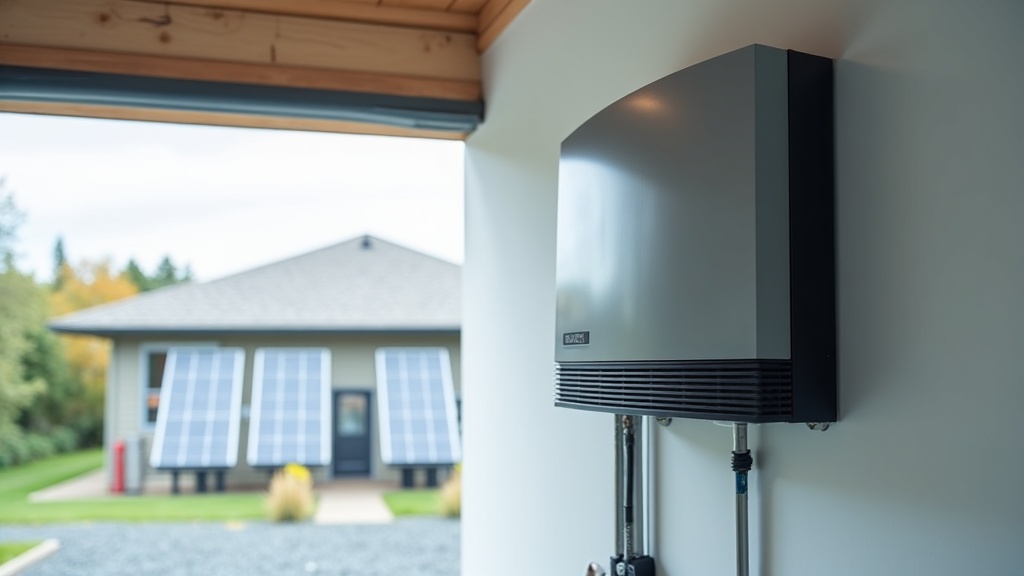
Wrong inverter location: Inverters need ventilation and can’t be in direct sun. Garage walls are usually better than exterior walls. Check your inverter’s temperature rating.
Ignoring thermal expansion: Panels expand and contract with temperature. If you bolt them down tight with no room to move, something’s going to crack or warp.
Skipping the structural calculation: Not every roof can support solar. Get an engineer to verify, especially on older homes or if you’re putting panels on a carport or patio cover.
Frequently Asked Questions
Do I need to be a electrician to install solar panels myself?
Most states don’t require a license to work on your own home, but you still need permits and inspections. Some jurisdictions do require a electrician to pull the permit or make the final panel connection, even if you do the rest yourself. Check your local building department requirements before you start—this varies widely by location.
How long does a DIY solar installation take?
Plan on 3-5 full days of work for a typical residential system if you know what you’re doing, plus weeks or months for permitting and inspections. First-timers should budget 6-10 days of actual work. The permitting timeline is often longer than the physical installation—I’ve seen 2-4 months from application to permission to operate.
Will DIY solar void my roof warranty?
Probably. Most roofing warranties exclude coverage for any penetrations made after installation. Get this in writing from your roofer before you proceed. Some homeowners re-roof first, then immediately install solar with proper flashing as part of the same project to maintain warranty coverage. If your roof is more than 15 years old, replace it before adding solar—you don’t want to remove panels in five years to re-roof.
Can I expand my DIY solar system later?
Yes, but plan for it now. Oversizing your inverter and running extra conduit during initial installation makes expansion cheaper and easier. You’ll need amended permits for any expansion. Also consider that panels improve over time—a 400W panel today might be 450W in three years, so you may get more power from fewer panels if you wait. But module compatibility can be tricky, so I usually recommend installing your full planned capacity from the start if budget allows.
What happens if I make a mistake during installation?
Minor mistakes get caught at inspection and you fix them. Major mistakes—like damaging your roof, incorrect electrical work, or unsafe installations—can be expensive to repair and may require hiring a professional to correct. This is why I emphasize doing it right the first time. Your inspector isn’t your enemy; they’re catching problems before they cause fires or injuries. Some mistakes don’t show up until later: roof leaks might not appear for months, and electrical problems can take years to manifest as connection corrosion or wire degradation. Document everything and follow manufacturer specs exactly.
Sources, uncertainty, safety, and affiliate disclosure
Check named sources for their publication date, geography, exact product, utility, and jurisdiction. Product specifications and programs change. Estimates are not guarantees. Electrical work, service upgrades, storage systems, transfer equipment, interconnection, and code compliance should be reviewed by the serving utility and a qualified electrician or installer as appropriate.
Some links may be affiliate links. SunBacked may earn a commission at no added cost to you; that does not determine editorial conclusions.