

Editorial quick answer
Can I connect a portable Generac generator to my home’s natural gas line?
I would not assume you can connect a portable Generac generator to your home’s natural gas line just because the fuel is available at the house; in most cases, the right answer is only if that exact generator is built or properly converted for natural gas and the gas piping, regulator, and electrical hookup are […]
Who this is for
Homeowners using this topic to compare choices, identify tradeoffs, or prepare better questions.
What this cannot promise
A guaranteed bill reduction, output, runtime, incentive, code approval, interconnection result, or project-specific electrical design.
Assumptions, date, and local checks
Costs and performance depend on location, date, model, configuration, weather, tariffs, utility rules, program funding, installation details, and household loads. Incentive, net-metering, code, battery-sizing, and electrical statements require current jurisdiction and source checks. Confirm project-specific details with the serving utility, program administrator, manufacturer, and a qualified electrician or installer.
How evidence is labeled
Mike context
Limited to his 20 years as an electrician, going solar in 2019, and having no installer ties.
Manufacturer specification
Maker-published data for an identified model or version, not an independent measurement.
Public source
Utility, government, program, code, standards, or other dated public information.
Estimate
Math based on stated inputs and assumptions, not a quote or guarantee.
Editorial analysis
SunBacked’s synthesis of tradeoffs, separated from sourced facts.
I would not assume you can connect a portable Generac generator to your home’s natural gas line just because the fuel is available at the house; in most cases, the right answer is only if that exact generator is built or properly converted for natural gas and the gas piping, regulator, and electrical hookup are all done correctly.
If you want reliable backup power, what matters is not whether a hose can physically fit, but whether your generator, your gas line, and your transfer setup can safely support the loads you actually care about. For some houses this upgrade makes sense. For others, it is a money sink that still leaves you with a noisy portable unit, manual setup, and the wrong expectations during an outage.
The Short Answer
A portable Generac generator cannot usually be tied straight into a home natural gas line the way a standby generator can. Some portable models are gasoline-only. Some are dual-fuel or can accept a third-party tri-fuel conversion kit. If yours is not rated or converted for natural gas, the answer is no.
Even when the engine can run on natural gas, the house side still has to be right. That means a properly sized gas branch line, shutoff valve, quick-connect fitting rated for fuel gas, the correct regulator setup, and an electrical connection through a transfer switch or interlock, not a backfeed cord. I pay attention to the gas piping capacity before I worry about the generator brand, because that is where a lot of homeowner plans fall apart.
What This Means for a Homeowner
For a homeowner, this is really a three-part decision: can the generator run on natural gas, can the house supply enough gas, and does the whole setup improve your outage plan enough to justify the cost. If one of those answers is no, I would stop there instead of forcing the project.
- Generator compatibility comes first: if your portable Generac is gasoline-only, you are looking at a conversion kit or a different generator, not a simple hose hookup.
- Your gas line must be sized for the load: a small existing branch that already serves a water heater, furnace, or range may not feed the generator well under demand.
- You still need legal electrical transfer equipment: a manual transfer switch or interlock is what keeps power from feeding back onto utility lines.
- Natural gas solves one problem, not every problem: it can let a generator run much longer than gasoline, but it does not make a portable unit automatic, quiet, or maintenance-free.
The practical upside is fuel runtime. People ask, How long can a generator run? On gasoline, runtime is limited by the tank and by how often you are willing to refuel. On natural gas, the runtime can be effectively much longer because the utility line keeps supplying fuel, though the engine still needs oil checks, cooldowns, and maintenance intervals. That is a real advantage if you live somewhere outages can stretch beyond a day.
What has to be in place
| Piece | What you need to know |
|---|---|
| Portable generator | Must be natural-gas-capable from the factory or via a reputable conversion designed for that engine. |
| Gas piping | Must be sized for generator demand at the actual run length and pressure, not guessed from the pipe you already have. |
| Outdoor connection | Use a proper fuel-gas shutoff and quick-connect setup, not improvised fittings. |
| Power connection | Use an interlock or transfer switch so selected circuits can be powered safely. |
| Operating plan | You still wheel it out, connect it, start it, manage loads, and maintain it during the outage. |
Where homeowners get tripped up
The common mistake is assuming a home natural gas line is basically unlimited. It is not. Capacity depends on pipe size, pressure, run length, and what other appliances are operating. I have seen homeowners chase a generator problem that was really a gas-starvation problem caused by undersized piping. The generator starts, stumbles under load, or never makes rated output, and they think the machine is defective.
The other big miss is treating a portable unit like a standby unit. A true standby generator is designed around permanent fuel piping, automatic transfer, and code-compliant installation. A portable running on natural gas can still be a good setup, but it is a manual workaround, not the same class of backup system.
When Battery Backup Makes Sense
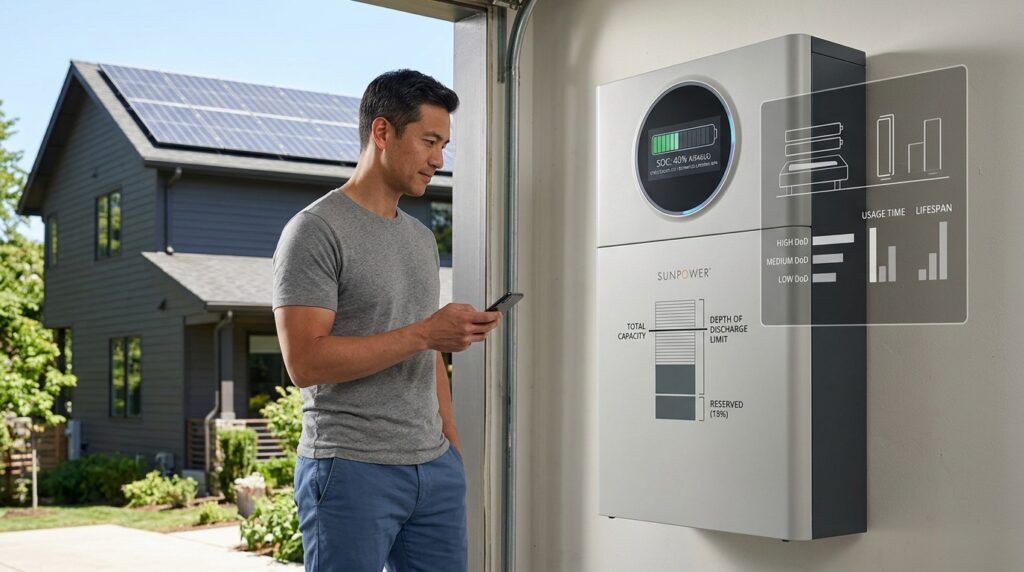
Battery backup makes more sense when your priority is quiet, automatic power for a few critical loads rather than whole-house runtime. If you mainly want the fridge, Wi-Fi, some lights, garage door, device charging, and maybe a small heat source or blower to stay on without dragging out a generator, batteries are often the cleaner answer.
I would look hard at batteries if you already have solar, have frequent short outages, or live in a neighborhood where generator noise is a headache. Batteries also win if you do not want to store fuel, manage engine maintenance, or step outside in bad weather to get backup power going. Where homeowners overlook the value is convenience: if your outage plan depends on you being home, awake, healthy, and ready to set up a portable generator, that plan is weaker than it looks on paper.
Battery backup is usually the better fit if:
- Your outages are usually measured in hours, not multiple days.
- You want backup for a few essential circuits, not central air, electric ovens, or large resistance heat.
- You already have solar and want some daytime recharging during an outage.
- You want automatic operation and low maintenance.
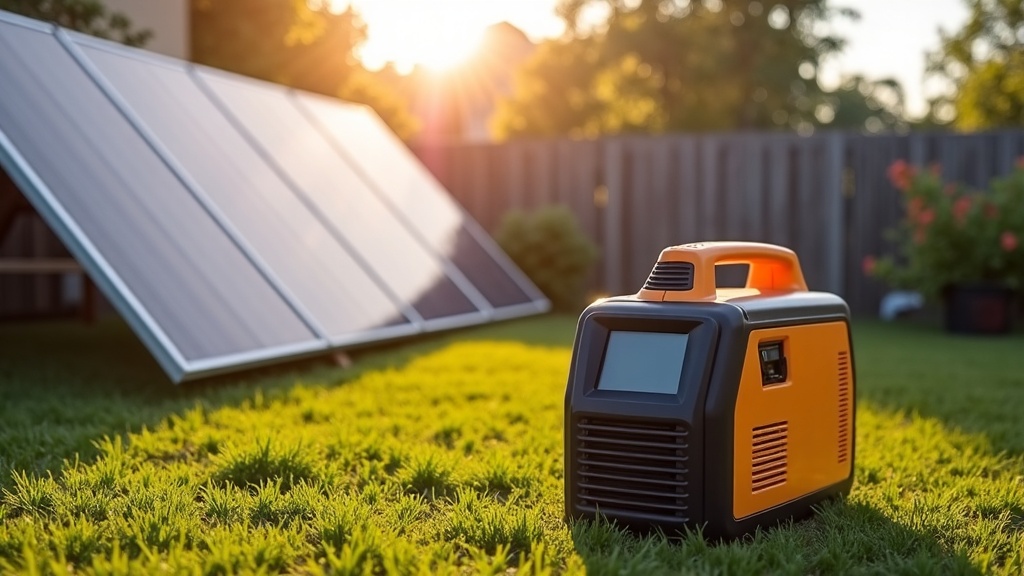
If you are comparing outage tools, it also helps to keep a few basics on hand. A generator interlock kit, a natural gas quick connect kit for generator use, and a portable power station for home backup are the kinds of products I’d compare before locking into one path.
When It Does Not
Connecting a portable Generac to your home’s natural gas line does not make sense when the generator is small, gasoline-only, lightly used, or meant for occasional tailgate-style portability. It also does not make sense if you are trying to run major electric loads like central air conditioning, electric water heat, or an all-electric kitchen from a budget portable unit. At that point, the generator choice and the fuel plan are both mismatched to the house.
I would also say no when the upgrade starts stacking too many compromises: conversion kit, plumber, electrician, transfer gear, outdoor connection hardware, and maybe gas pipe upsizing. Once the numbers climb, homeowners are often halfway to a better long-term solution, either a real standby generator or a right-sized battery system for essential loads. Marketing hype gets ahead of reality here. A natural-gas-fed portable sounds elegant, but if it still requires manual setup in the rain at 2 a.m., it has not solved the hardest part for a lot of families.
Red flags that tell me to skip it
- Your portable Generac is not approved for natural gas and you are relying on a questionable conversion path.
- Your house has limited gas capacity or an already crowded gas system.
- You expect whole-house comfort from a portable machine.
- You do not already have, or plan to install, a code-compliant transfer setup.
- Your outage plan needs to work automatically when nobody is home.
What I Would Prioritize First
Before spending money on fuel plumbing, I would write down the loads that actually matter during an outage: fridge, freezer, well pump, medical gear, internet, a few lighting circuits, furnace blower, sump pump, and maybe one cooking option. Then I would match the backup method to those loads instead of chasing a broad idea like “power the house.” That one step prevents a lot of expensive overbuilding.
After that, I would prioritize in this order: safe electrical transfer, realistic load planning, and then fuel strategy. If your portable generator is already natural-gas-capable and your gas meter and piping can support it, the project can be reasonable. If not, I would not force the natural gas angle just because the line is there.
My homeowner checklist
- Step 1: Confirm the exact Generac model and whether natural gas use is factory-approved or supported by a reputable conversion path.
- Step 2: Have a licensed plumber or gas fitter verify available gas capacity at the required pressure and pipe length.
- Step 3: Have a electrician size the inlet, breaker, and transfer switch or interlock around the loads you actually need.
- Step 4: Decide whether you want manual backup, automatic backup, or a hybrid plan.
- Step 5: Compare the installed cost against a small battery system or an entry standby generator.
Recommended gear to compare
If you are building out a safe manual-backup setup, these are the product categories I’d review first: a 50 amp generator power inlet box, a portable generator cover for rain use, and a whole house surge protector. None of those fix a bad system design, but they are part of a more usable and safer setup when the core plan is sound.
Bottom Line for Homeowners
Yes, you may be able to connect a portable Generac generator to your home’s natural gas line, but only if the generator itself is compatible with natural gas and the gas and electrical work are designed for it. I would call this a selective yes, not a blanket yes. For the right house, it is a practical way to get longer runtime without gasoline storage. For the wrong house, it is an awkward project that costs more than it should and still behaves like a portable generator.
If you want my plain recommendation, do this: choose the natural-gas portable route only when you already own a suitable generator or can buy one cheaply, your outage goal is essential-load backup, and you are willing to use a manual setup. If you want quieter, automatic, lower-hassle backup, move your money toward batteries. If you want long-duration whole-house resilience, skip the halfway solution and price a true standby system.
Sources, uncertainty, safety, and affiliate disclosure
Check named sources for their publication date, geography, exact product, utility, and jurisdiction. Product specifications and programs change. Estimates are not guarantees. Electrical work, service upgrades, storage systems, transfer equipment, interconnection, and code compliance should be reviewed by the serving utility and a qualified electrician or installer as appropriate.
Some links may be affiliate links. SunBacked may earn a commission at no added cost to you; that does not determine editorial conclusions.