

Editorial quick answer
ECOFLOW Delta Pro Ultra X 12kW Portable Home Backup Power System
I have yet to see a battery system this size make sense for the average house unless the homeowner already knows exactly which loads they want to protect, because 12kW-class backup is real whole-home territory, not casual outage prep. If you are looking at the ECOFLOW Delta Pro Ultra X 12kW Portable Home Backup Power […]
Who this is for
Homeowners using this topic to compare choices, identify tradeoffs, or prepare better questions.
What this cannot promise
A guaranteed bill reduction, output, runtime, incentive, code approval, interconnection result, or project-specific electrical design.
Assumptions, date, and local checks
Costs and performance depend on location, date, model, configuration, weather, tariffs, utility rules, program funding, installation details, and household loads. Incentive, net-metering, code, battery-sizing, and electrical statements require current jurisdiction and source checks. Confirm project-specific details with the serving utility, program administrator, manufacturer, and a qualified electrician or installer.
How evidence is labeled
Mike context
Limited to his 20 years as an electrician, going solar in 2019, and having no installer ties.
Manufacturer specification
Maker-published data for an identified model or version, not an independent measurement.
Public source
Utility, government, program, code, standards, or other dated public information.
Estimate
Math based on stated inputs and assumptions, not a quote or guarantee.
Editorial analysis
SunBacked’s synthesis of tradeoffs, separated from sourced facts.
I have yet to see a battery system this size make sense for the average house unless the homeowner already knows exactly which loads they want to protect, because 12kW-class backup is real whole-home territory, not casual outage prep.
If you are looking at the ECOFLOW Delta Pro Ultra X 12kW Portable Home Backup Power System, what matters most is not the marketing label or the peak wattage. What matters is whether your house actually has enough critical loads, outage pain, and budget room to justify a large battery platform instead of a smaller backup setup, a generator, or a simpler critical-loads panel. For most people, I would decide this based on your air conditioning, well pump, heating type, and outage history before I worried about anything else.
The Short Answer
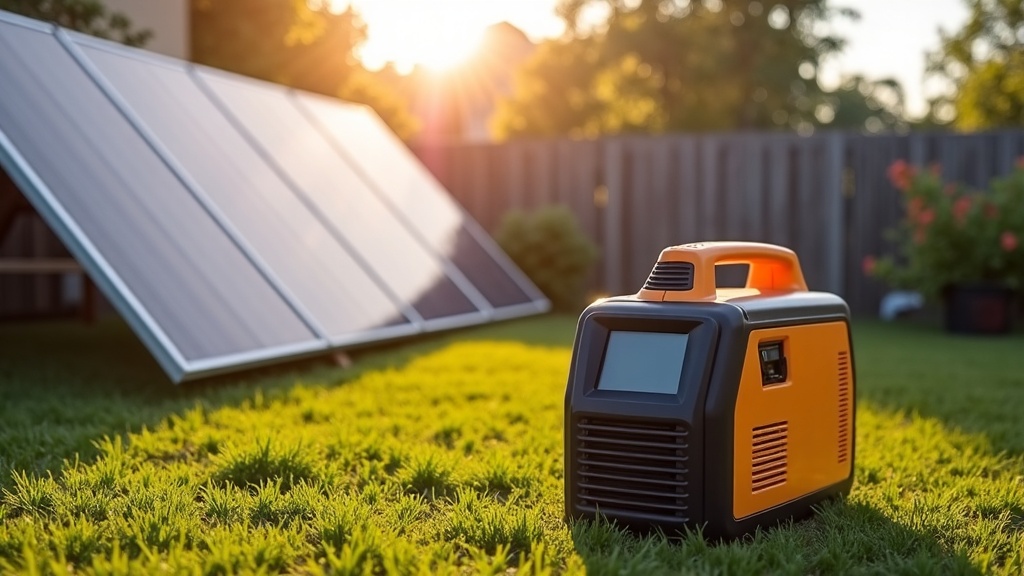
The ECOFLOW Delta Pro Ultra X 12kW Portable Home Backup Power System can be a strong fit if you want quiet backup, faster deployment than a permanent standby generator, and enough output to run several serious loads at once. In plain English, this is the kind of system you look at when you want your house to feel normal during an outage, not when you just need to keep phones charged and the fridge cold.
That said, I would not call it an automatic yes. A big portable backup platform still needs load planning, transfer setup, and realistic expectations around runtime. High output is not the same thing as unlimited energy. I always tell homeowners to separate how much power you can run at one time from how long you can run it, because that is where expensive mistakes happen.
What This Means for a Homeowner
If you are comparing this system to a smaller solar generator, a gas generator, or a fixed battery install, the decision comes down to four practical questions: what you need to power, how long outages last, whether you want fuel-free backup, and how much wiring work you are willing to do. I pay attention to those four before I even look at the glossy spec sheet.
- It is sized for heavier household use, which means refrigerators, freezer, lights, electronics, and some 240V loads may be realistic together if the system is configured correctly.
- It can reduce the ?extension cord lifestyle? problem that comes with smaller backup units, especially if you want a proper transfer arrangement instead of running devices room by room.
- It still requires load discipline, because central AC, electric resistance heat, dryers, ovens, and EV charging can burn through stored energy fast even when the inverter can technically handle them.
- It sits in the middle ground between a grab-and-go battery and a permanently installed whole-home battery system, which can be a sweet spot for homeowners who want serious backup without a full custom energy project.
For many houses, the biggest benefit is not bragging rights on wattage. It is having a quieter, cleaner backup option that can cover the loads that actually make a house livable. If that matters more to you than running every single appliance exactly as usual, this category becomes a lot more compelling.
When Battery Backup Makes Sense
Battery backup starts making sense when outages are common enough to be more than an annoyance, or when the house has specific needs that make fuel generators a poor fit. I see this most often with homeowners in wildfire shutoff zones, storm-prone areas, homes with medical equipment, or people who work from home and cannot afford to lose internet, refrigeration, and basic climate control all at once.
Scenarios where a system like this is worth serious consideration
- Your outages are frequent or multi-day, and you are tired of dragging out a small generator every season.
- You need cleaner indoor-adjacent deployment, with no fuel storage, no exhaust, and less noise near bedrooms or neighbors.
- You want to back up selected 120V and 240V loads such as a well pump, sump pump, refrigerator set, freezer, garage door, office circuits, and maybe one modest HVAC load.
- You already have solar or plan to add it, and you want the option to recharge from the sun instead of depending only on the grid.
- You value installation flexibility more than a fully built-in system, especially if you may move, remodel, or change your backup plan later.
In those situations, the ECOFLOW Delta Pro Ultra X 12kW Portable Home Backup Power System can solve a real problem. I would especially look hard at it for homeowners who need 240V capability but do not want to jump straight to a major permanent battery install. That middle tier is where some of the best real-world value shows up.
There is also a comfort factor that people tend to underestimate. A larger battery system can keep your routine intact enough that an outage feels manageable instead of chaotic. That matters more than people think. If your goal is to preserve food, keep the internet up, run pumps, and stay functional overnight without noise or fuel trips, that is a rational reason to spend more.
Helpful gear homeowners often pair with systems like this
If you are still building out your backup plan, I usually tell people to think in layers: battery system first, then transfer equipment, then load monitoring, then recharge support. For example, a simple manual transfer switch for generator home setup can make a backup system far more usable than a powerful battery sitting in the garage with no clean way to feed the loads you care about.
| Homeowner Goal | Why This System Can Fit | What To Double-Check |
|---|---|---|
| Keep essentials running quietly | No fuel handling and much lower noise than a gas generator | Total runtime on fridge, freezer, lights, internet, and medical loads |
| Support some 240V equipment | Higher-output platform than small portable batteries | Startup surge, wiring method, and whether the load is truly critical |
| Bridge short-to-medium outages comfortably | Can cover more of the house than entry-level units | Whether your habits will drain storage faster than expected |
| Add solar charging later | Potentially stronger long-outage resilience | Panel compatibility, placement, and recharge speed in your climate |
When It Does Not
This is not the right answer if you are trying to solve a small problem with a big checkbook. If your real need is a few lights, internet, CPAP, fridge, and phone charging for occasional outages, I would not steer you into a 12kW-class system. A smaller battery setup or even a simpler emergency plan will often do the job for far less money.
It also does not make sense if you expect battery backup to behave like infinite utility power. Central air, electric water heating, electric furnaces, ovens, dryers, and EV charging can eat through stored energy in a hurry. I have seen homeowners obsess over inverter size and completely ignore runtime math. That is backwards. If you want to browse practical alternatives, it is worth comparing a whole home battery backup system search with a inverter generator for home backup search so you can see how different the backup categories are.
Cases where I would hold off
- Your outage history is rare and short, and the pain level is low.
- Your top priority is the lowest possible cost per hour of backup.
- You need to run large electric heat or full central AC for long stretches.
- You have not figured out your critical loads yet.
- Your panel setup or transfer plan is still vague.
If any of those apply, I would slow down. A smaller system bought with a clear purpose almost always beats an oversized system bought on hope.
What I Would Prioritize First
Before buying the ECOFLOW Delta Pro Ultra X 12kW Portable Home Backup Power System, I would build the decision in this order. First, list the loads that truly matter in an outage. Second, estimate how many hours you need them to run. Third, decide whether you need 240V backup or just better 120V coverage. Fourth, figure out your transfer method and where the unit will live. Homeowners tend to jump straight to ?Can it run my whole house?? when the better question is ?Which parts of my house do I actually need online??
My simple decision checklist
- Map the critical loads. Refrigeration, medical gear, pump loads, office circuits, internet, lighting, and one comfort load if possible.
- Check starting surges. Pumps and motors can be the hidden issue, not just steady wattage.
- Be honest about runtime. Eight quiet hours of essentials may be more valuable than two flashy hours of everything.
- Price the full setup. Include transfer hardware, cables, possible solar input, and any electrician labor.
- Compare against alternatives. A smaller battery plus a generator, or a permanent battery install, may fit your house better.
If you want supporting gear that usually comes up during real installs, I would look at things like a home energy monitor to understand your actual loads and a portable solar panels for power station option if you want some recharge resilience during longer outages. Those purchases often make the main battery decision smarter.
My personal bias is simple: I would rather see you buy one backup system that cleanly covers the loads you truly care about than overspend on a giant setup you never use properly. Good backup planning is boring on paper and excellent in storms.
Bottom Line for Homeowners
The ECOFLOW Delta Pro Ultra X 12kW Portable Home Backup Power System makes sense if your house has meaningful outage risk, you want quieter fuel-free backup, and you need more than a basic portable battery can realistically provide. It is a serious homeowner backup tool, not a casual camping accessory dressed up for the garage.
I would give it a qualified yes for households that need stronger output, 240V capability, and a more comfortable outage experience without going straight to a fully permanent battery installation. I would pass if your needs are modest, your outage history is light, or your budget would be stretched just to own the hardware. If I were helping a homeowner decide today, I would say this: buy it when you have a real backup plan and real loads to support, wait when you are still shopping based on headline wattage alone.
Sources, uncertainty, safety, and affiliate disclosure
Check named sources for their publication date, geography, exact product, utility, and jurisdiction. Product specifications and programs change. Estimates are not guarantees. Electrical work, service upgrades, storage systems, transfer equipment, interconnection, and code compliance should be reviewed by the serving utility and a qualified electrician or installer as appropriate.
Some links may be affiliate links. SunBacked may earn a commission at no added cost to you; that does not determine editorial conclusions.